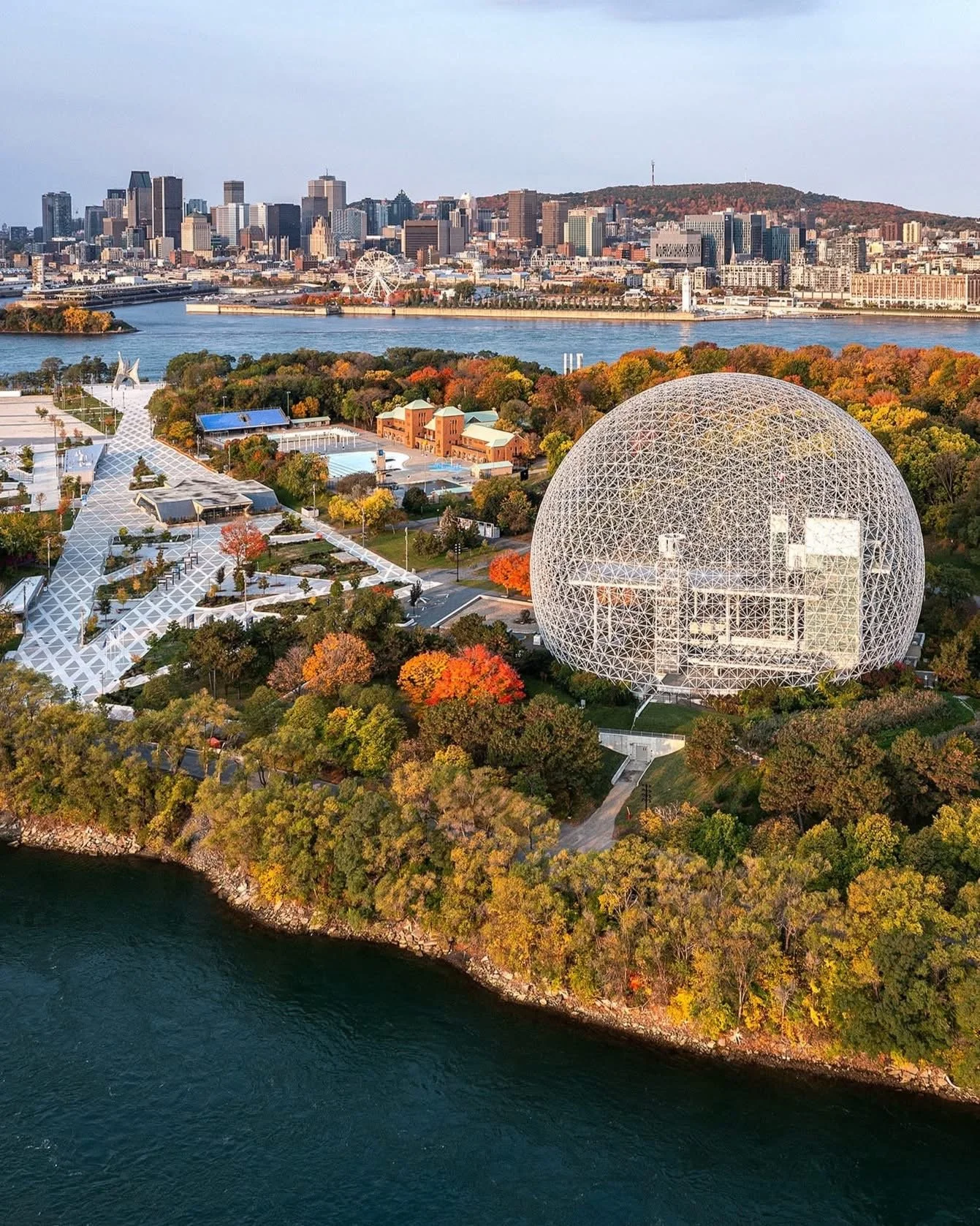
Canadian Pilgrimage

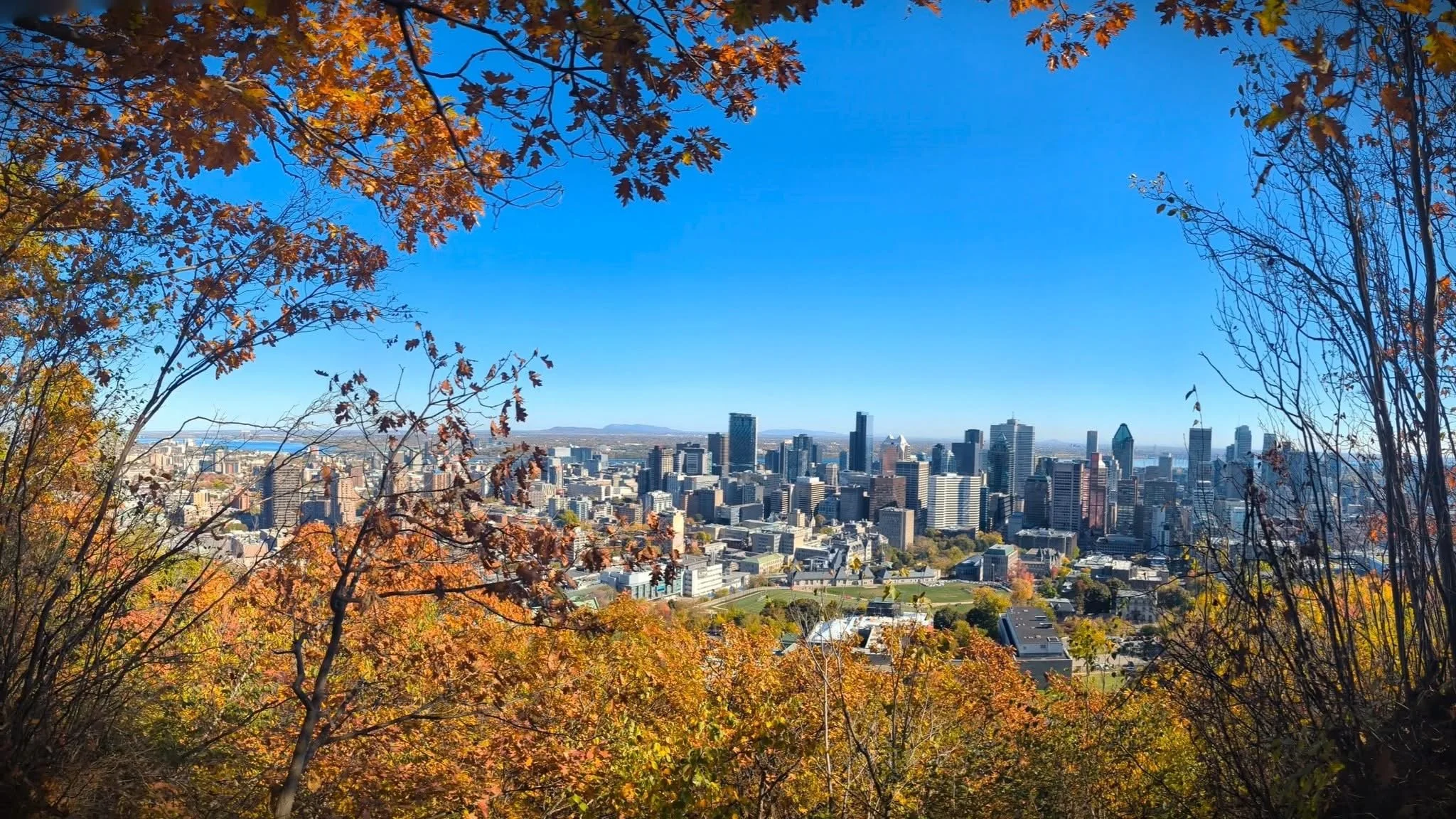
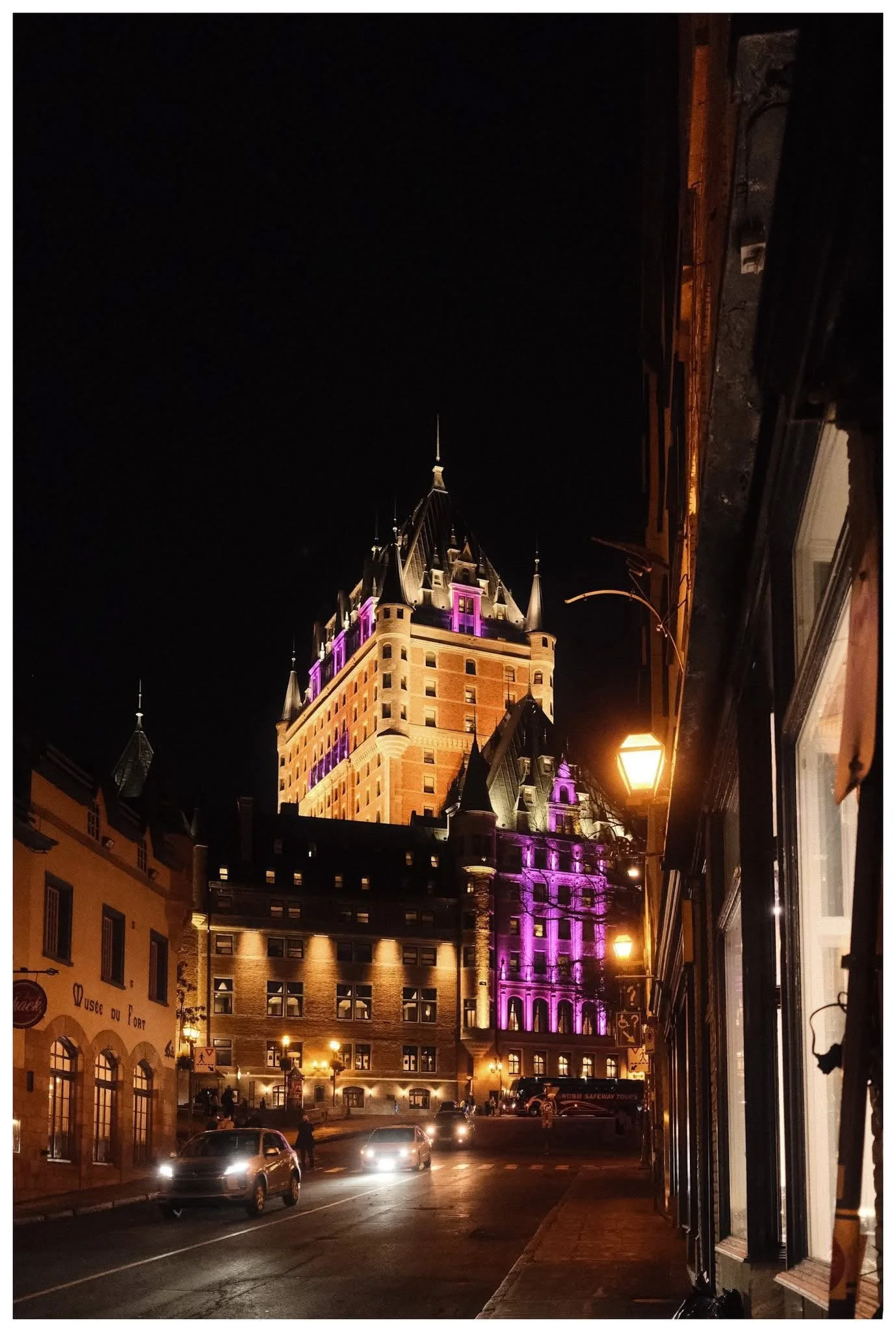
The source provides excerpts from a travel memoir detailing a "photographic pilgrimage" through several Canadian cities, namely Montreal, Quebec City, and Ottawa, during the autumn season.

The author extensively discusses the challenges and philosophy of street photography while traveling heavily burdened with multiple cameras, including a Leica M6, a Hasselblad 500 C/M, and a 907x digital back. The text contrasts the unique atmosphere and photographic opportunities of each city—Montreal's rhythm, Quebec's romance, and Ottawa's restraint—and offers practical tips for aspiring street photographers. Ultimately, the author concludes that the true value of the journey was not in the resulting photographs but in the act of walking and seeing the world through intentional, analog-driven movement.

Ruffian and Berlin

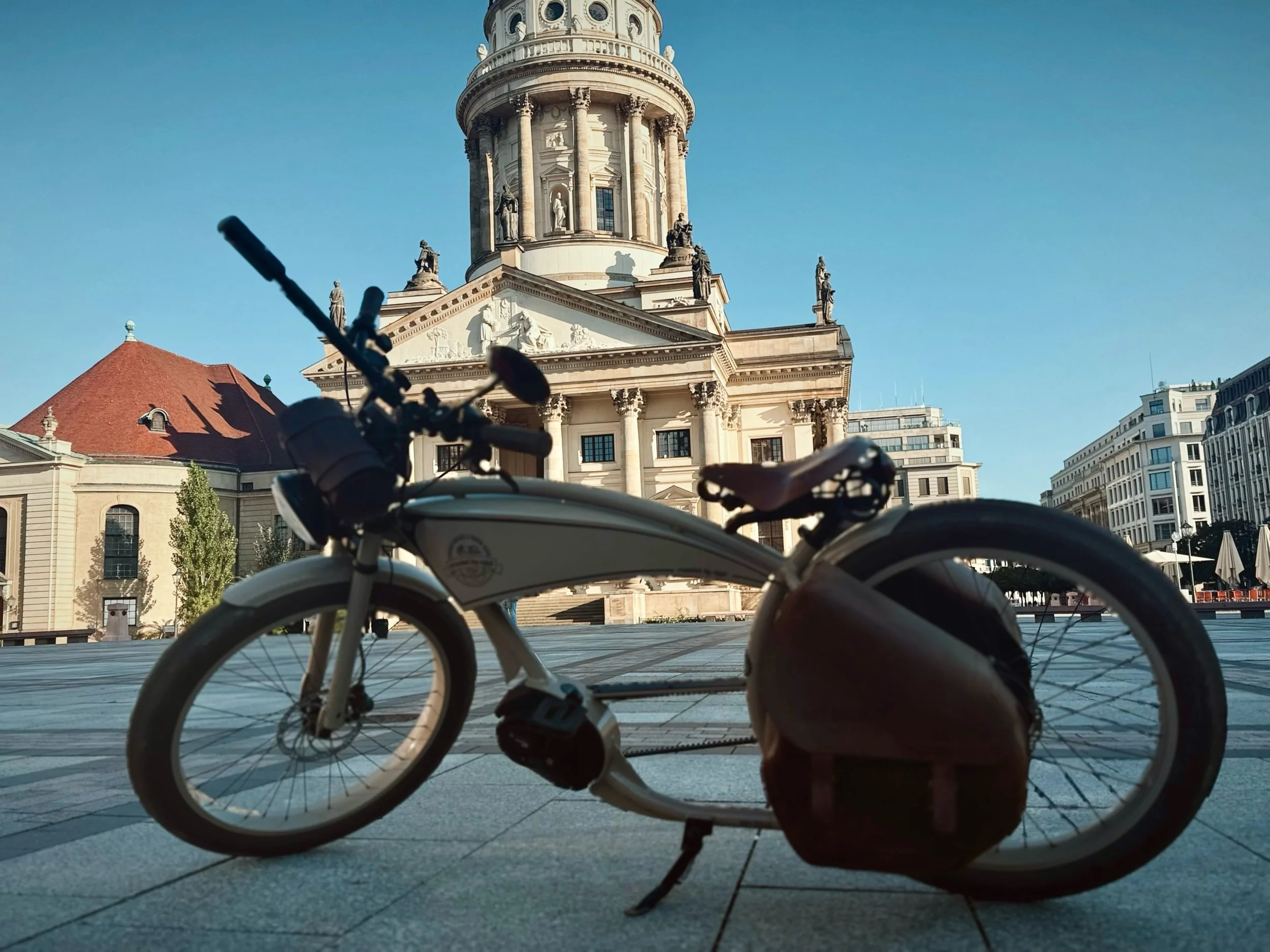
An Analog Journey" and "Ruffian in Berlin — Kiribane Photography." Exploring the intersection of cycling and photography with a particular aesthetic, albeit with vastly different approaches and outcomes.

Main Themes

  1. The Bicycle as a Tool for Exploration and Photography: Both sources highlight the bicycle's utility beyond mere transportation. In "Cycling and Photographing Berlin," it's presented as "the finest companion for analog photography," enabling a unique rhythm of observation and composition. In "Ruffian in Berlin," the bicycle is the chosen, albeit torturous, vehicle for a journey of personal endurance leading to an artistic destination.

  2. Analog Photography and Intentionality: "Cycling and Photographing Berlin" strongly advocates for analog photography as a deliberate, thoughtful process that complements the pace of cycling. The "slow looking" and "deliberate frame" are emphasized, contrasting with the fast-paced nature of digital capture.

  3. Berlin as a Photographic Subject: Berlin is depicted as a city rich in diverse photographic opportunities, from grand historical boulevards to chaotic urban spaces. The city's light, architecture, and "eternal dialogue between past and present" are presented as ideal for film.

  4. The Absurdity and Endurance of the "Gentleman's Attire" Endeavor: Both narratives feature the protagonist undertaking their cycling adventures in gentleman's attire. In "Cycling and Photographing Berlin," it's for "the absurd theatre of it," while in "Ruffian in Berlin," it's a testament to "sartorial stubbornness" and a contributing factor to the comedic suffering endured during the long-distance ride.

  5. The Personal Journey and Transformation: While one account focuses on an internal artistic journey within the city, the other chronicles an arduous physical and mental journey to the city. Both, however, underscore the transformative power of the experience, leaving the participant "exhausted" but "heavy with promise" ("Cycling and Photographing Berlin") or "battered, and perversely proud" ("Ruffian in Berlin").

Mumbai: Murals, Markets, and the Sea

The provided text, "Mumbai: Murals, Markets, and the Sea," offers a first-person perspectiveon exploring Mumbai, focusing on three distinct areas: Bandra, Crawford Market, and Bandra Kurla Complex (BKC). The author, a photographer, describes Bandra's vibrant street art and community festivals, capturing its blend of gentrification and grit. Crawford Market is presented as a chaotic, historic hub of commerce, showcasing its Gothic architecture amidst everyday life. In contrast, BKC is depicted as a modern, corporate district, a stark contrast to the city's older areas. Throughout the narrative, the Arabian Sea acts as a constant backdrop, symbolizing Mumbai's enduring presence. The text is enriched with practical photography and travel tips, offering insights into navigating and documenting the city's diverse environments.

Art and decay

The podcast offers a first-person exploration of Mumbai, focusing on the city's complex blend of old and new. The author chronicles his experiences living in Mumbai, highlighting the architectural diversity and vanishing heritage found in areas like Khotachiwadi, where decay and development constantly reshape the landscape. In contrast, the narrative also captures the vibrant and chaotic art scene of the Kala Ghoda Arts Festival and the overwhelming energy of the Ganesh Chaturthi festival, detailing practical photography tips for navigating such events. Finally, the author reflects on the city's colonial past in Fort and the rapid reinvention of modern neighborhoods like Bandra, concluding with a personal reflection on Mumbai as a teacher of both photography and life.

Mumbai: Light, Life, and Loops

The provided text, "Mumbai: Light, Life, and Loops," chronicles a photographer's initial three-month immersion in Mumbai, often referred to as "Maximum City." The author arrives expecting glamour but instead encounters a dynamic urban landscape characterized by relentless heat, chaotic traffic, and profound contradictions. Through personal anecdotes and vivid descriptions, the narrative explores various facets of the city, from the serene vantage point of Malabar Hill to the bustling colonial thoroughfare of Colaba and the hidden heritage of Khotachiwadi. The author's experiences capturing Mumbai's essence are highlighted by the visual challenges of a constantly changing environment, the overwhelming sensory experience of Ganesh Chaturthi, and the architectural and cultural complexities of Fort. Ultimately, the text reveals the photographer's evolving perception of Mumbai, moving beyond initial expectations to appreciate its conviction, resilience, and ceaseless transformation, culminating in the decision to stay.

Luna"s view

Review of sources related to the photography exhibition "This orientation is more Paris in Hanoi" by Matthias Hagemann, the use of the Hasselblad 500CM camera ("Luna Sogno"), and the broader symbolism of the red carpet.

Key Themes:

  • Hanoi as a "Small Paris": The significant influence of French colonial architecture on Hanoi's urban landscape and the city's unique blend of Vietnamese and European aesthetics.

  • Cross-Cultural Dialogue through Photography: The use of photographic techniques, specifically double exposure and superimposition, to create a visual dialogue and explore the connections and contrasts between Hanoi and Paris.

  • The Photographer's Perspective and Process: Insights into the artist's inspiration, motivations, and technical approach to capturing the essence of both cities.

  • The Red Carpet as a Symbol: The historical evolution and contemporary democratization of the red carpet as a metaphor for glamour, recognition, aspiration, and self-perception.

  • The Photographer's Relationship with Their Tool: The personal and almost anthropomorphic connection between the photographer and their camera, particularly a classic analog model like the Hasselblad.

Prompt, Fixer, Filter

The evolving nature of photography in the digital age, specifically in the context of AI-generated imagery, and the identity crisis and potential future of traditional photographic practices.

Key Themes:

  • The Shift from Witness to Prompter: The author highlights a fundamental change in the relationship between the photographer and the image. Historically, a photograph was direct evidence of presence and experience: "Photos used to prove you saw something." In the age of AI, the image can be created through instruction rather than observation: "Now they prove you prompted something." This signifies a growing distance between the creator and the visual output.

  • The Erosion of Photographic Truth: The piece argues that the clear distinction between the "flawed truth" of photography and the "invented beauty" of painting, which existed in the past, has blurred significantly. The ease and sophistication of digital manipulation and AI generation make it increasingly difficult to discern whether an image depicts a real event or a constructed reality. The author refers to this as the "de-realization of the photographic world," citing William John Mitchell.

  • The Existential Crisis of Traditional Photography: The author, identifying with analog photographers, describes an "existential tangle" brought on by the rise of AI. Traditional photographers face the dilemma of competing with AI, which is infinitely efficient and tireless, or embracing the inherent imperfections and labor of their craft.

  • Finding Meaning in Imperfection and Process: The author advocates for the latter, suggesting that the future of traditional photography lies in leaning into its "fragility, texture, and imperfection." This includes the sensory and ritualistic aspects of analog photography, such as "the calm ritual of winding film" and the "good old smell of stop bath." These are elements that AI struggles to replicate authentically.

  • Photography as Art, Not Just Journalism: The author proposes that photography should shed its historical role as primarily a form of documentation or "journalism" and embrace its potential as a form of creative expression akin to poetry or jazz. This allows traditional photographers to focus on the artistic and subjective aspects of image-making, rather than being solely concerned with literal truth.

  • The Value of Presence and Witnessing: Despite the ability of AI to simulate aesthetics, the author argues that it cannot replicate the human experience of being present and witnessing a moment. The act of taking a photograph, especially with traditional methods, "demands presence. It still whispers: 'Be here. Look harder. The moment matters.'"

Buffalo Mooing Vietnam Rhapsody

"Scooters, Egg Coffee & the Sound of One Buffalo Mooing"
with Kiribane, Leica M6 in one hand, Hasselblad (digital back, calm down) in the other

In this episode, Kiribane takes us on a gloriously disoriented journey through Vietnam—where existential scooter crossings, lotus-themed cuisine, and mist-drenched coastal roads all converge into one jasmine-scented fever dream. From Hanoi’s organized chaos and egg-based coffee enlightenment to the cinematic switchbacks of the Hai Van Pass, it’s a tale of cultural collision, poetic confusion, and buffalo-induced wonder. Along the way: secret bars, spiritual salads, bullet-scarred bunkers, and a city where fire-breathing bridges are just... normal.

A story best described as beautifully baffling.
Next episode teaser: a Vietnamese haircut. With fire. Yes, really.