Eternal Image Hunt

A Guide to Photographing Rome

with a Leica Q43 and a Hasselblad 500 C/M in 18 Glorious Days (and One Slightly Soggy One)

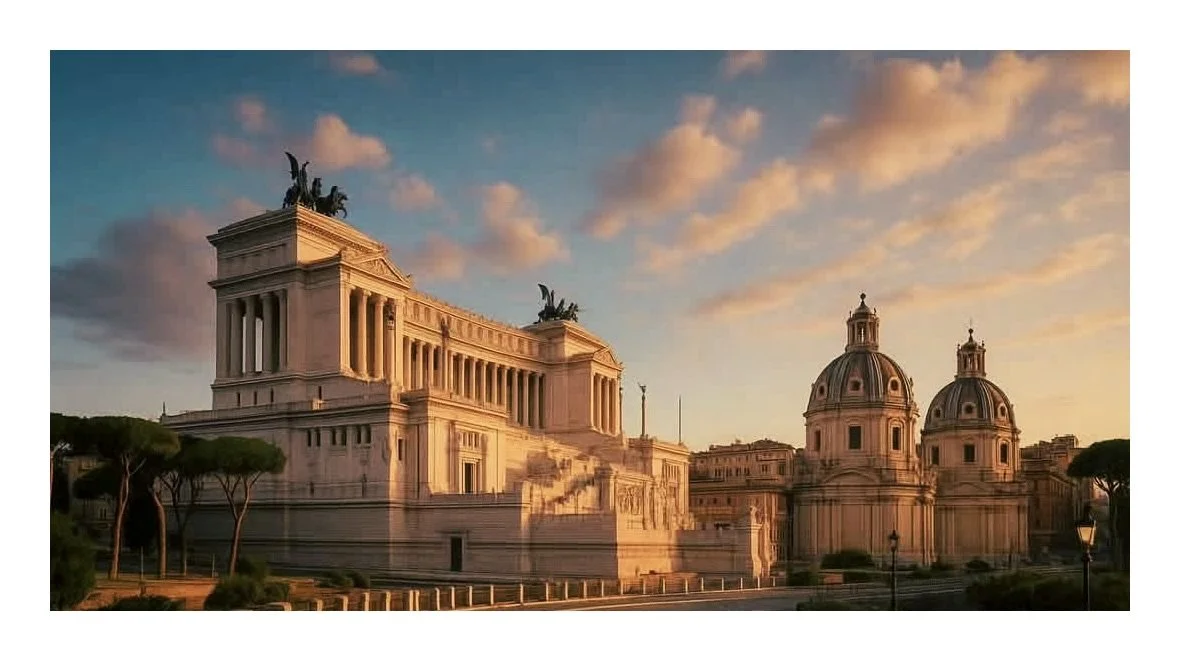
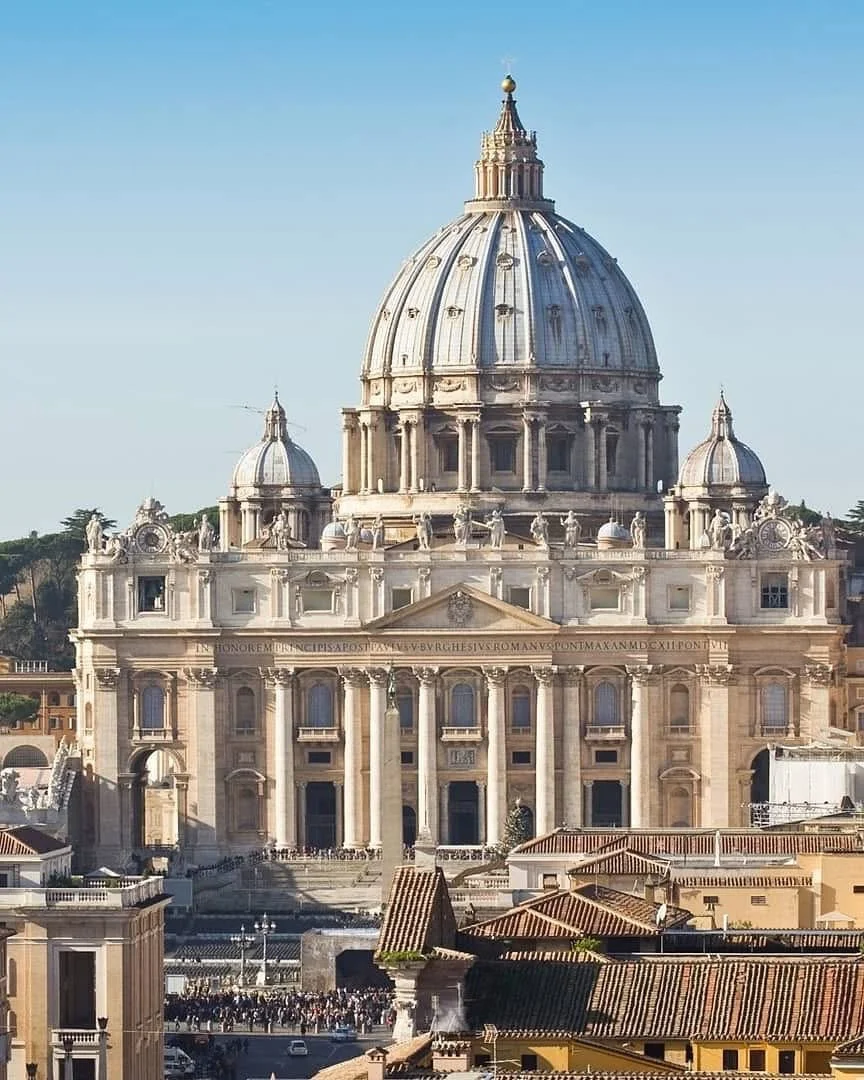
Let’s be honest: photographing Rome is a delightful mixture of divine light, ancient stone, and tourists who insist on standing exactly where you want to shoot. Luckily, you came armed — not just with two iconic cameras, but also with the patience of a monk and the timeless wisdom of someone who knows that the only real way to avoid crowds is to wake up at an hour so early that even the pigeons haven’t clocked in yet.

Here is your guide to making images in Rome without losing your sanity or punching a selfie stick.

1. Wake Up Ridiculously Early (Earlier Than Reasonable)

If the sun hasn’t risen yet, you’re on the right track.

If the street cleaners still rule the streets, even better.

If you begin to question your life choices: perfetto — Rome is yours.

This is the hour when:

  • The Trevi Fountain is empty (except for one confused jogger).

  • The Spanish Steps whisper instead of scream.

  • The Pantheon is yours alone, like it’s 120 AD and you accidentally invented time travel.

The Leica Q43 will reward you with crisp morning glow.

The Hasselblad 500 C/M will reward you with shots that look like they were taken by God’s personal medium-format assistant.

2. The Magic of Late Evenings: Rome’s Golden Hour Glow-Up

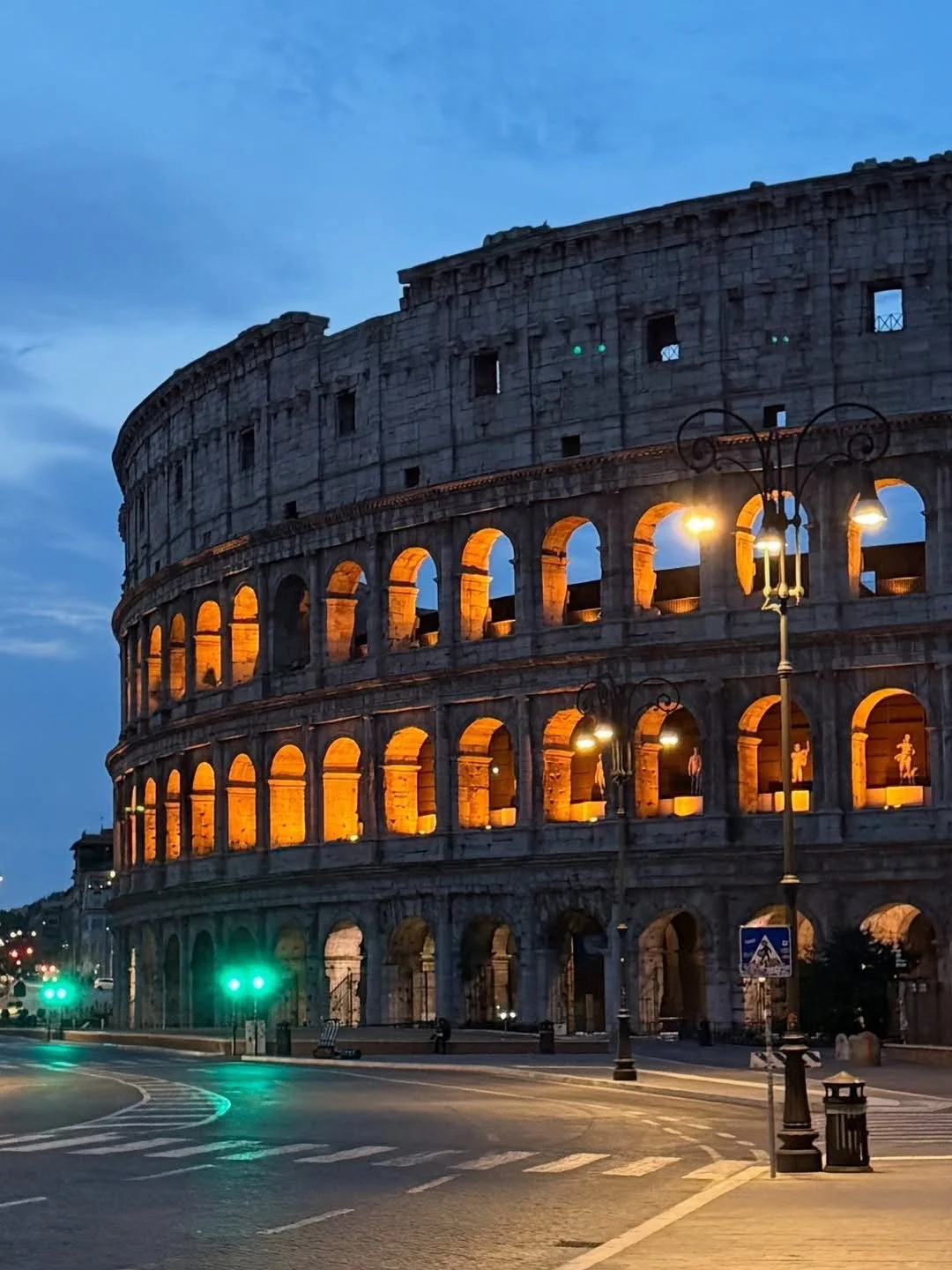
When the sun is low and the crowds drift toward their eighth gelato of the day, your time begins.

The city glows, your Hasselblad sighs in contentment, and your Leica pretends to be subtle while capturing everything.

Night in Rome is forgiving — shadows dance on the cobblestones, the marble turns warm, and people simply disappear into trattorias.

Go out late. Stay out later.

Rome rewards nocturnal photographers with scenes that feel stolen.

3. Disaster Day: The Single Rainy Day

You had 18 days of good weather and one day of rain — which honestly feels like cheating.

On the rain day:

  • Reflections in puddles suddenly scream “artsy.”

  • The Hasselblad becomes moody and dramatic, like a Scandinavian poet.

  • The Leica becomes slippery but heroic.

Bonus: Romans disappear indoors, leaving you with misty alleys and marble that shines like polished pasta.

4. Avoid Tourist Crowds by Going Where Tourists Aren’t

Here’s the secret: tourists travel in predictable herds.

Like pigeons. But louder.

Avoid them by:

  • Going out early (again).

  • Going out late (still true).

  • Photographing side streets where laundry hangs like art installations.

  • Shooting around corners of major monuments instead of the monuments themselves.

  • Finding that one alley behind Campo de’ Fiori where the light hits like a Renaissance painting and no one notices because they’re all hunting for pizza.

If someone steps into your frame anyway, accept it as “adding narrative to the scene” instead of “ruining your composition.”

5. Handling the Hasselblad: A Public Performance

The 500 C/M is not just a camera — it’s a magnet for comments like:

  • “Wow, is that vintage?”

  • “Does it still work?”

  • “Are you filming a movie?”

Hold it with pride.

Look into the waist-level finder with philosophical seriousness.

Pretend the image you’re seeing could change Western art history.

The Hasselblad turns you into a walking museum piece — and ironically, that’s exactly what you want in Rome.

6. The Leica Q43: The Silent Assassin

While the Hassy is busy stealing the spotlight, the Leica quietly does the job.

Quick autofocus, elegant discretion, and the ability to shoot before anyone notices you exist.

Perfect for:

  • markets

  • side streets

  • grandpas arguing about calcio

  • Vespas

  • fountains

  • trattoria moments

  • anything with warm Roman light touching old stone

The Leica is your ninja.

The Hasselblad is your opera singer.

Use both accordingly.

7. Don’t Chase Perfect Shots — Let Them Happen

Rome is not a city you conquer.

It’s a city that unexpectedly gives you the shot — usually while you’re eating something deep-fried.

The best images appear when:

  • a cat walks through a beam of light

  • a nun crosses the street with perfect timing

  • a Vespa speeds by reflecting gold light

  • your espresso cooldown moment suddenly becomes cinematic

You don’t capture Rome.

Rome captures you.

8. The Final Rule: Enjoy the City More Than the Photos

After 18 days, thousands of steps, too many espressi, and one heroic rain day — you’ll realize something:

The pictures are great.

But the experience was better.

The Leica worked flawlessly.

The Hasselblad performed like a legend.

But in the end, it’s the memories — early mornings, empty piazzas, golden evenings, and the luxurious silence of a crowd-free Rome — that stay with you.

Ciao Roma — until the next photographic pilgrimage.

Your cameras will be ready.

Your alarm clock too.
Meet Caira

https://cdn.mos.cms.futurecdn.net/eumznwkPN27NRWRwionzAE-1200-80.jpg.webp

Meet Caira — The Mirrorless Camera That Thinks It’s a Banana

Alright, hold your analog chemicals for a moment and grab your coffee, because something wild just hit the digital photography scene — and even my Leica M film setup twitched a little.

The New Kid on the Magnetic Block

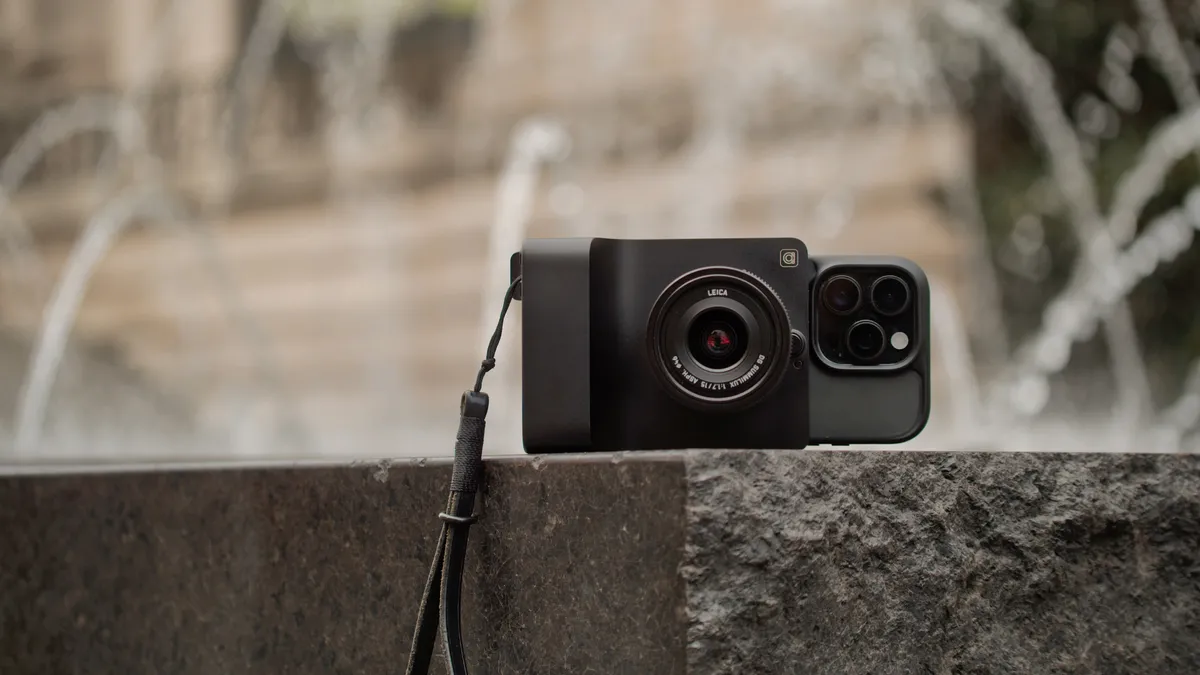
Imagine this: a mirrorless camera with no screen. None. Zero. Instead, it magnetically connects to your iPhone via MagSafe, and together they form a kind of Frankenstein creative system. The camera body just... exists, while your iPhone does all the showing, editing, and existential thinking.

Oh, and the AI brain running it? It’s called Nano Banana — yes, really — built by a company named Camera Intelligence. Their promise: an “intelligent creative partner” that helps you shoot, edit, and generate images directly by text prompt.
(Source)

My Analog Self Is Screaming (Quietly)

  1. “No screen”?
    Wonderful. Finally, a digital camera that behaves like a film camera — except you need an iPhone just to see what you’re doing. I can already picture you strolling down the street with your camera in one hand and your iPhone magnetically clinging to it like a fridge magnet that refuses to let go.

  2. “MagSafe connection”?
    So: magnets + camera + smartphone = pure trust exercise. If your phone battery dies mid-shoot, your creative partner becomes a stylish paperweight. Don’t even think about shooting in the rain unless you want to test “hydrophobic AI.”

  3. “Nano Banana does generative edits”?
    That’s right — you take a photo and tell it things like “make the light golden” or “add a penguin in a tuxedo.” Boom — done. For anyone raised on 120 film and darkroom chemicals, this is either a miracle or a polite insult to patience.

  4. Who’s it for?
    According to the creators: “Content creators and businesses.” Translation: people who want to shoot, edit, and post in one breath. For those of us who appreciate grain, dust, and imperfect beauty — it’s a fun concept to chuckle at from a safe distance.

Final Thoughts (with a wink)

So, my friend: if one day you decide you’ve had enough of film, developer fumes, and waiting for negatives to dry — and you’re ready to flirt with AI mid-shoot — Caira might just be your next fling.

But if you still prefer to feel the moment — light leaking gently into film stock, textures breathing through shadows — then keep your Makina 67 or Leica close and let the “Nano Banana” crowd chase their next algorithmic sunset.

Caira is basically the espresso shot of modern photography — quick, shiny, stimulating.
But if you’re more of a slow-brew analog philosopher, stick to your filter coffee and silver halides.

☕️ Brought to you by the ghost of Kodachrome — whispering softly: “Don’t trust a camera that needs a phone to think.”

Canadian Pilgrimage

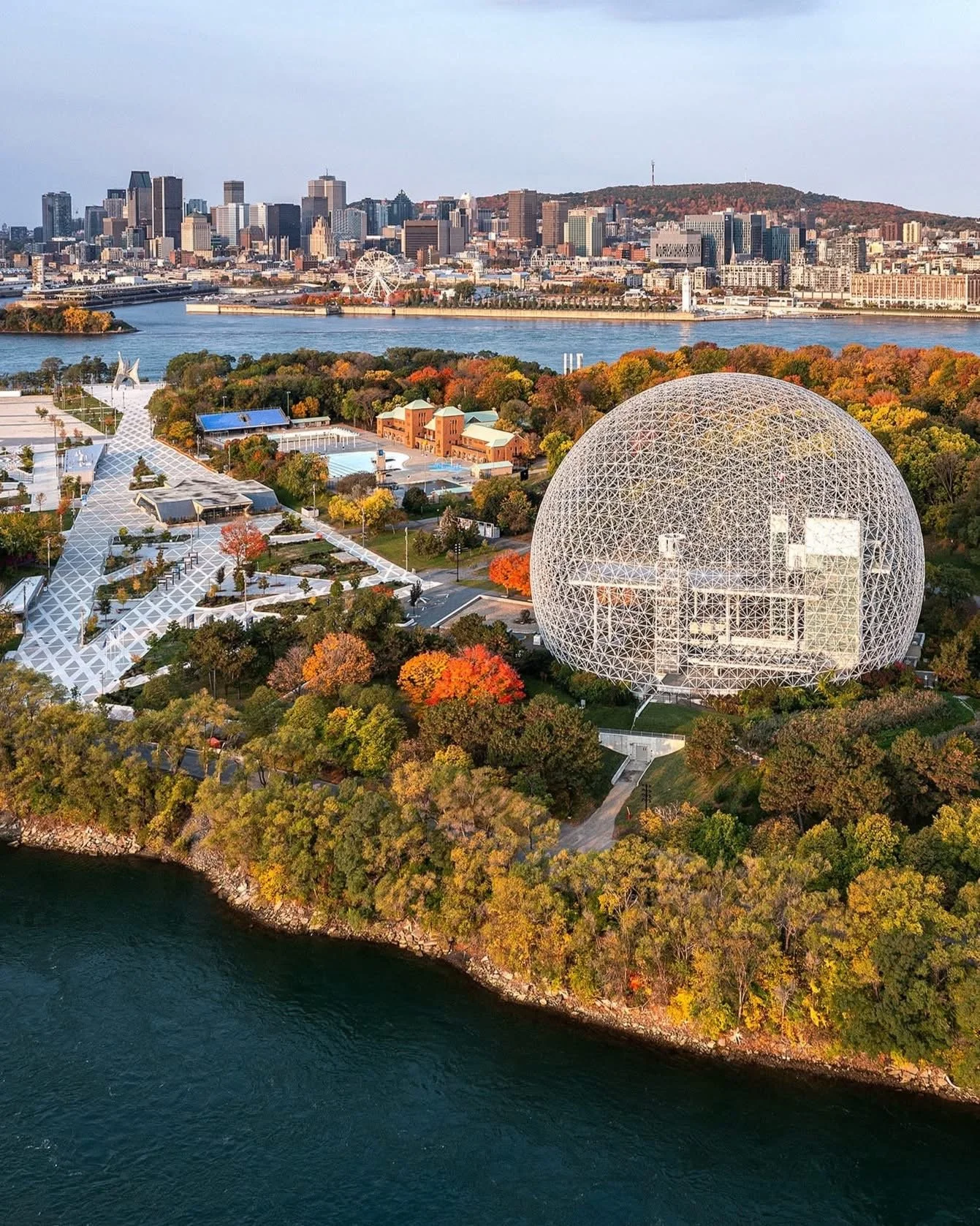
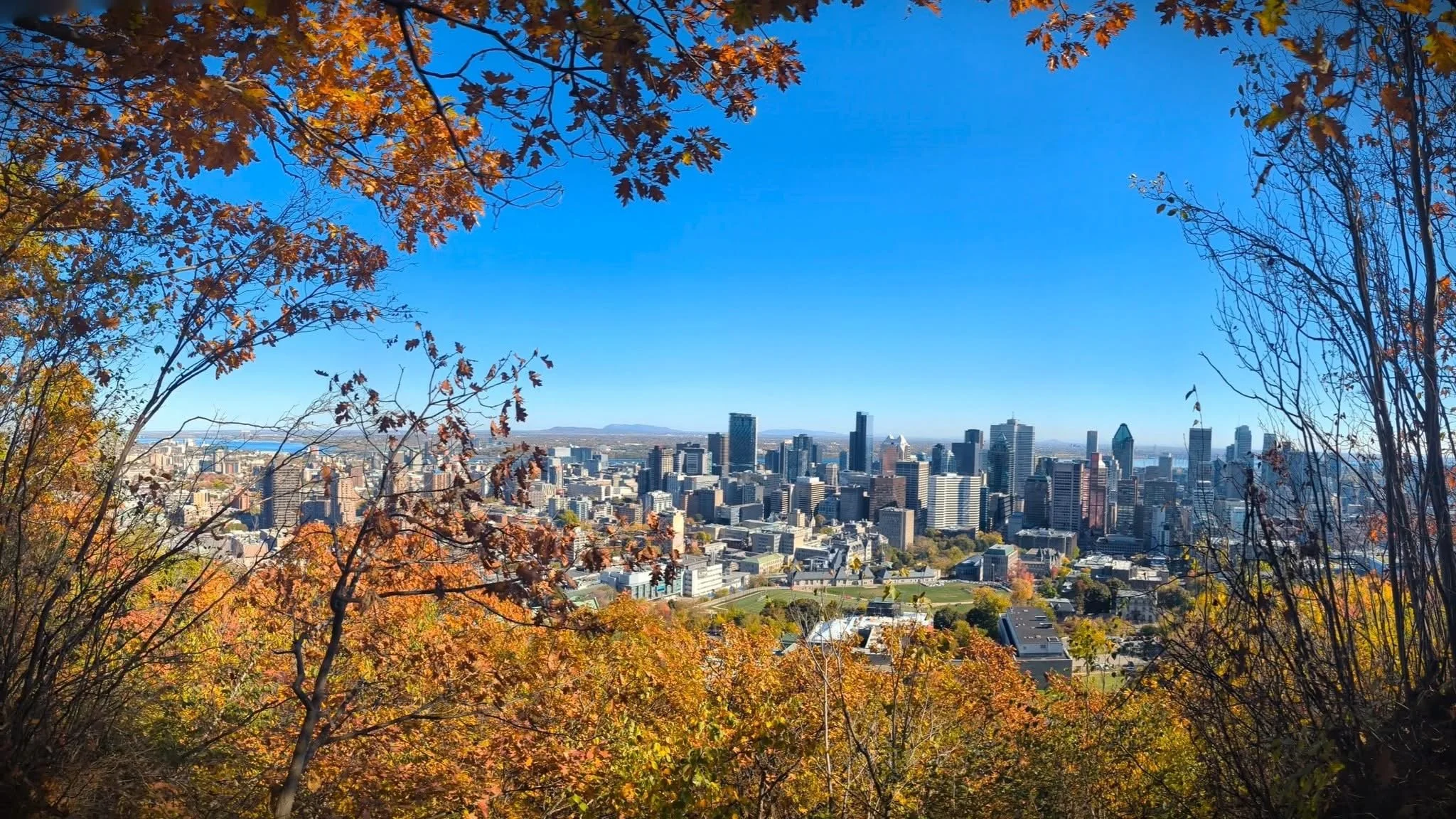
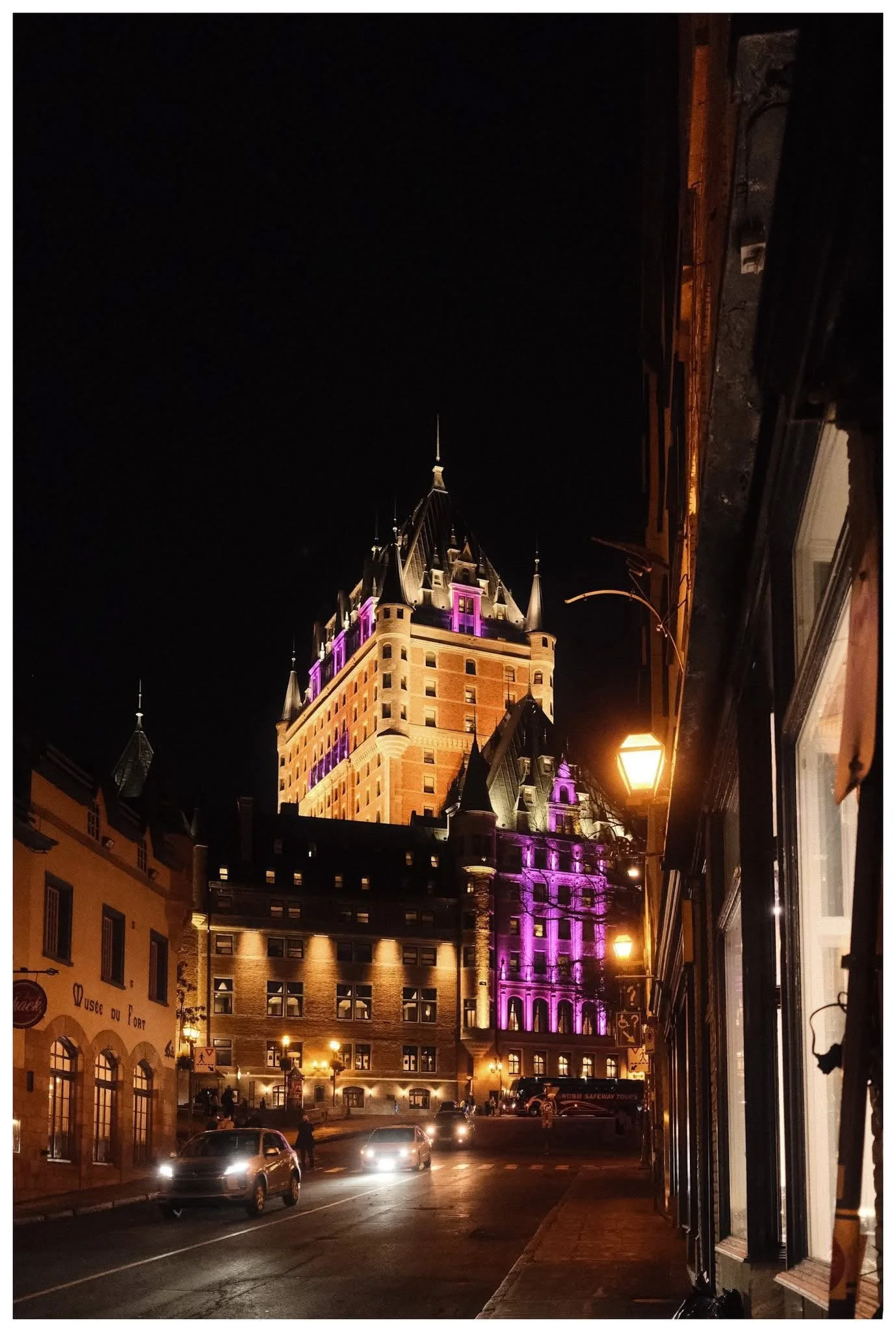
The source provides excerpts from a travel memoir detailing a "photographic pilgrimage" through several Canadian cities, namely Montreal, Quebec City, and Ottawa, during the autumn season.

The author extensively discusses the challenges and philosophy of street photography while traveling heavily burdened with multiple cameras, including a Leica M6, a Hasselblad 500 C/M, and a 907x digital back. The text contrasts the unique atmosphere and photographic opportunities of each city—Montreal's rhythm, Quebec's romance, and Ottawa's restraint—and offers practical tips for aspiring street photographers. Ultimately, the author concludes that the true value of the journey was not in the resulting photographs but in the act of walking and seeing the world through intentional, analog-driven movement.

Ruffian and Berlin

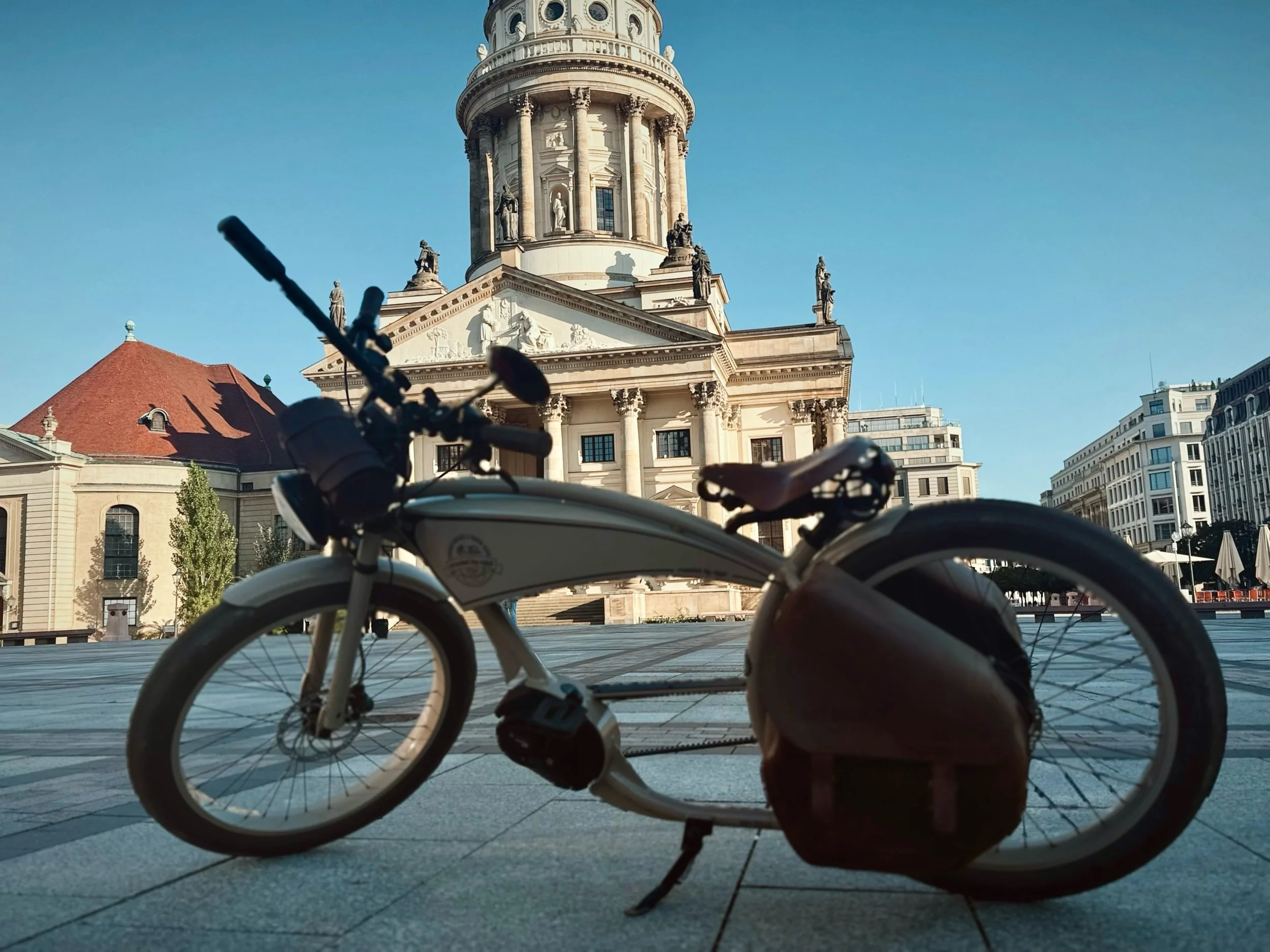
An Analog Journey" and "Ruffian in Berlin — Kiribane Photography." Exploring the intersection of cycling and photography with a particular aesthetic, albeit with vastly different approaches and outcomes.

Main Themes

  1. The Bicycle as a Tool for Exploration and Photography: Both sources highlight the bicycle's utility beyond mere transportation. In "Cycling and Photographing Berlin," it's presented as "the finest companion for analog photography," enabling a unique rhythm of observation and composition. In "Ruffian in Berlin," the bicycle is the chosen, albeit torturous, vehicle for a journey of personal endurance leading to an artistic destination.

  2. Analog Photography and Intentionality: "Cycling and Photographing Berlin" strongly advocates for analog photography as a deliberate, thoughtful process that complements the pace of cycling. The "slow looking" and "deliberate frame" are emphasized, contrasting with the fast-paced nature of digital capture.

  3. Berlin as a Photographic Subject: Berlin is depicted as a city rich in diverse photographic opportunities, from grand historical boulevards to chaotic urban spaces. The city's light, architecture, and "eternal dialogue between past and present" are presented as ideal for film.

  4. The Absurdity and Endurance of the "Gentleman's Attire" Endeavor: Both narratives feature the protagonist undertaking their cycling adventures in gentleman's attire. In "Cycling and Photographing Berlin," it's for "the absurd theatre of it," while in "Ruffian in Berlin," it's a testament to "sartorial stubbornness" and a contributing factor to the comedic suffering endured during the long-distance ride.

  5. The Personal Journey and Transformation: While one account focuses on an internal artistic journey within the city, the other chronicles an arduous physical and mental journey to the city. Both, however, underscore the transformative power of the experience, leaving the participant "exhausted" but "heavy with promise" ("Cycling and Photographing Berlin") or "battered, and perversely proud" ("Ruffian in Berlin").

Mumbai: Murals, Markets, and the Sea

The provided text, "Mumbai: Murals, Markets, and the Sea," offers a first-person perspectiveon exploring Mumbai, focusing on three distinct areas: Bandra, Crawford Market, and Bandra Kurla Complex (BKC). The author, a photographer, describes Bandra's vibrant street art and community festivals, capturing its blend of gentrification and grit. Crawford Market is presented as a chaotic, historic hub of commerce, showcasing its Gothic architecture amidst everyday life. In contrast, BKC is depicted as a modern, corporate district, a stark contrast to the city's older areas. Throughout the narrative, the Arabian Sea acts as a constant backdrop, symbolizing Mumbai's enduring presence. The text is enriched with practical photography and travel tips, offering insights into navigating and documenting the city's diverse environments.

Art and decay

The podcast offers a first-person exploration of Mumbai, focusing on the city's complex blend of old and new. The author chronicles his experiences living in Mumbai, highlighting the architectural diversity and vanishing heritage found in areas like Khotachiwadi, where decay and development constantly reshape the landscape. In contrast, the narrative also captures the vibrant and chaotic art scene of the Kala Ghoda Arts Festival and the overwhelming energy of the Ganesh Chaturthi festival, detailing practical photography tips for navigating such events. Finally, the author reflects on the city's colonial past in Fort and the rapid reinvention of modern neighborhoods like Bandra, concluding with a personal reflection on Mumbai as a teacher of both photography and life.

Mumbai: Light, Life, and Loops

The provided text, "Mumbai: Light, Life, and Loops," chronicles a photographer's initial three-month immersion in Mumbai, often referred to as "Maximum City." The author arrives expecting glamour but instead encounters a dynamic urban landscape characterized by relentless heat, chaotic traffic, and profound contradictions. Through personal anecdotes and vivid descriptions, the narrative explores various facets of the city, from the serene vantage point of Malabar Hill to the bustling colonial thoroughfare of Colaba and the hidden heritage of Khotachiwadi. The author's experiences capturing Mumbai's essence are highlighted by the visual challenges of a constantly changing environment, the overwhelming sensory experience of Ganesh Chaturthi, and the architectural and cultural complexities of Fort. Ultimately, the text reveals the photographer's evolving perception of Mumbai, moving beyond initial expectations to appreciate its conviction, resilience, and ceaseless transformation, culminating in the decision to stay.

Luna"s view

Review of sources related to the photography exhibition "This orientation is more Paris in Hanoi" by Matthias Hagemann, the use of the Hasselblad 500CM camera ("Luna Sogno"), and the broader symbolism of the red carpet.

Key Themes:

  • Hanoi as a "Small Paris": The significant influence of French colonial architecture on Hanoi's urban landscape and the city's unique blend of Vietnamese and European aesthetics.

  • Cross-Cultural Dialogue through Photography: The use of photographic techniques, specifically double exposure and superimposition, to create a visual dialogue and explore the connections and contrasts between Hanoi and Paris.

  • The Photographer's Perspective and Process: Insights into the artist's inspiration, motivations, and technical approach to capturing the essence of both cities.

  • The Red Carpet as a Symbol: The historical evolution and contemporary democratization of the red carpet as a metaphor for glamour, recognition, aspiration, and self-perception.

  • The Photographer's Relationship with Their Tool: The personal and almost anthropomorphic connection between the photographer and their camera, particularly a classic analog model like the Hasselblad.