Prague, or the Art of Letting Go
Kafka once wrote that Prague never releases its grip. It sounded dramatic at first, the kind of sentence you underline and then politely forget. But after a few days in the city, it begins to feel less like exaggeration and more like a simple observation.
I arrived without much intention beyond moving slowly. A bike, a camera, and the vague plan to see what would happen if I stopped trying to organize everything. Prague, it turns out, does not require much encouragement.
Evening — Kampa and the River
The first evening unfolded along the Vltava, in the dim calm of Kampa Park. The light had already faded; the moon, despite Neruda’s enthusiasm for it, was absent. Still, the city held its own atmosphere.
The Mill Café was full. Not loudly, not chaotically, but with a kind of steady energy. Conversations overlapped, glasses were lifted, people leaned into each other’s sentences. It felt like a place where ideas and beer had equal weight.
Someone mentioned that Czechs believe more in horoscopes than in God. It was met not with irony, but with agreement. A quiet consensus, followed by another round.
There was a sense—difficult to define—that the city gathers a certain type of person. Artists, students, musicians, observers. Or perhaps it simply allows people to appear more like themselves.
Movement — Tram 22
The next day, I took tram 22. It moves through the city with a kind of calm inevitability, connecting places that might otherwise feel separate: the castle, the monastery, the neighborhoods that sit just outside the obvious center.
It is less transport than passage. You sit, you watch, and Prague arranges itself in fragments through the window. No urgency. No need to understand everything at once.
Beer — A Constant Presence
It would be difficult to write about Prague without mentioning beer, though it rarely presents itself as a subject. It is simply there, integrated into the rhythm of the day.
I met Georg, a beer tester by profession, which sounds like a joke until you realize it is not. He spoke about beer the way others speak about weather or architecture—something fundamental, quietly important.
There are dozens of microbreweries in the city. Monasteries produce it. Boats serve it. Some places invite you to bathe in it, though that seemed less essential.
The price—almost incidental—removes any sense of occasion. It becomes less a choice and more a constant.
The Old Town — Structure and Repetition
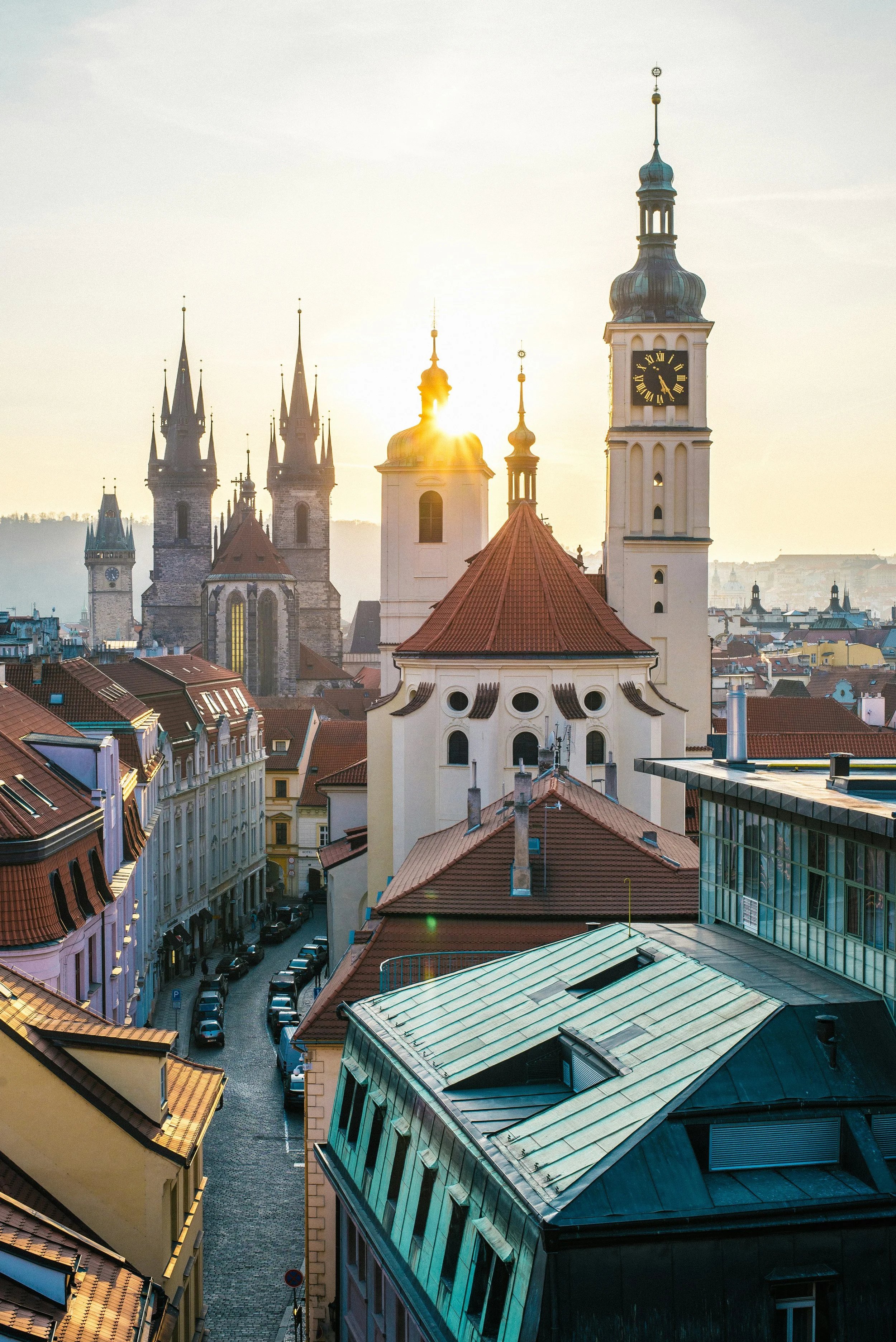
The Old Town presents itself clearly. The square, the clock, the towers—everything arranged with a kind of deliberate beauty.
Crowds gather at the Astronomical Clock, waiting for the small mechanical ritual that repeats every hour. The expectation is always slightly greater than the event itself, yet no one seems disappointed.
The Týn Church stands in the background, sharp and vertical, giving the scene a certain weight. Around it, movement continues: street performers, passing conversations, the quiet choreography of tourism.
And yet, even here, the city does not feel overwhelmed by itself. It absorbs the attention without changing its pace.
The Bridge — Shared Space
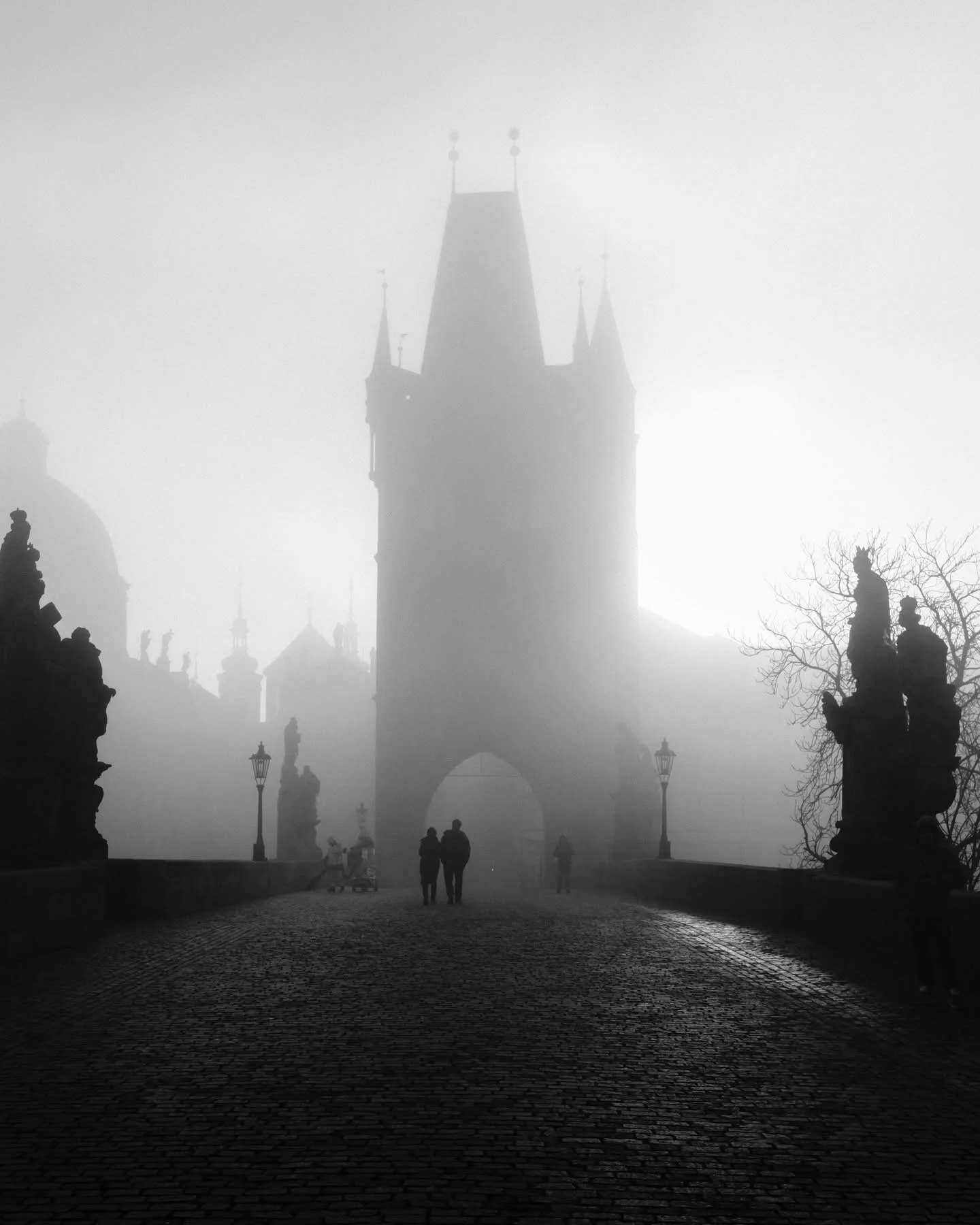
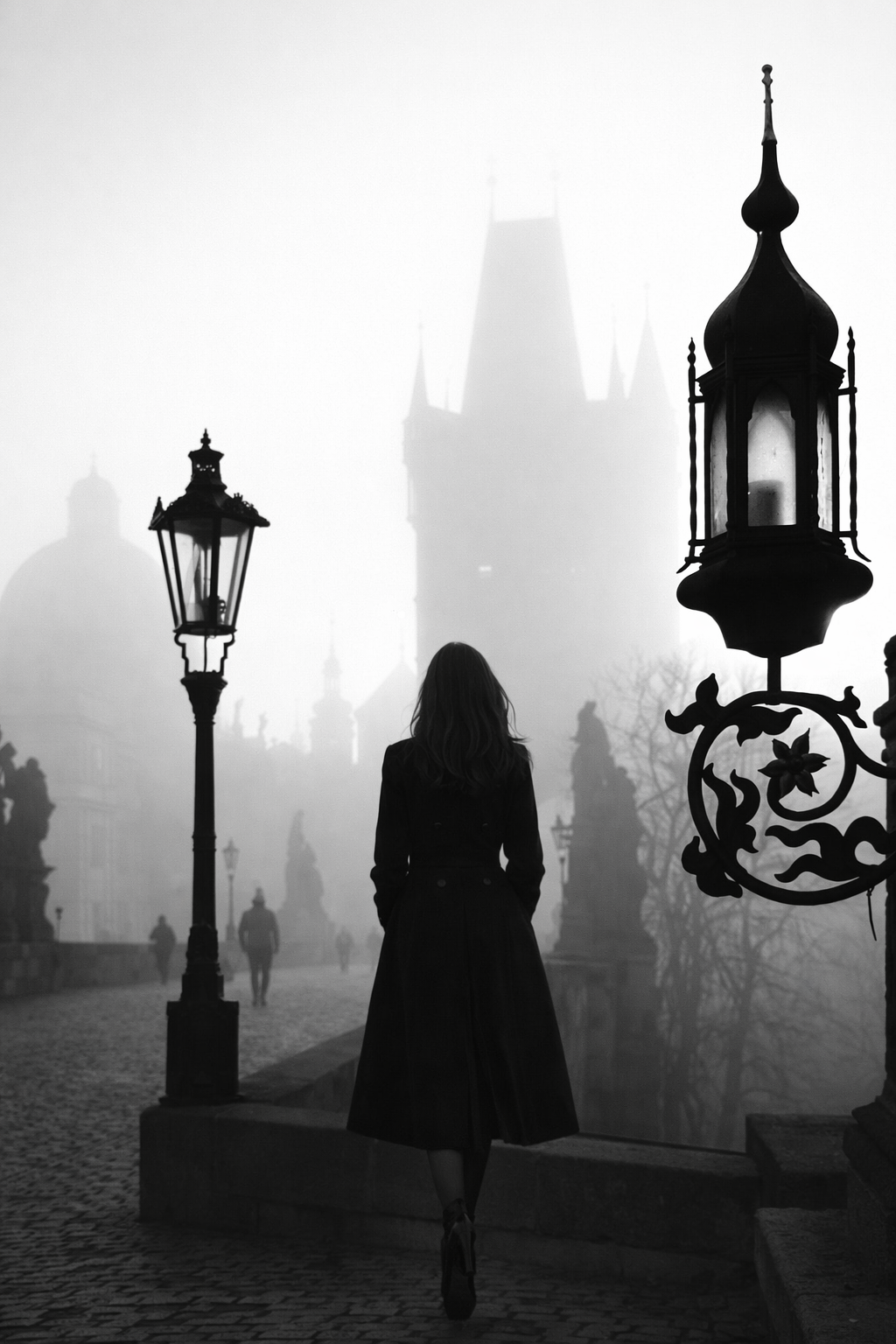
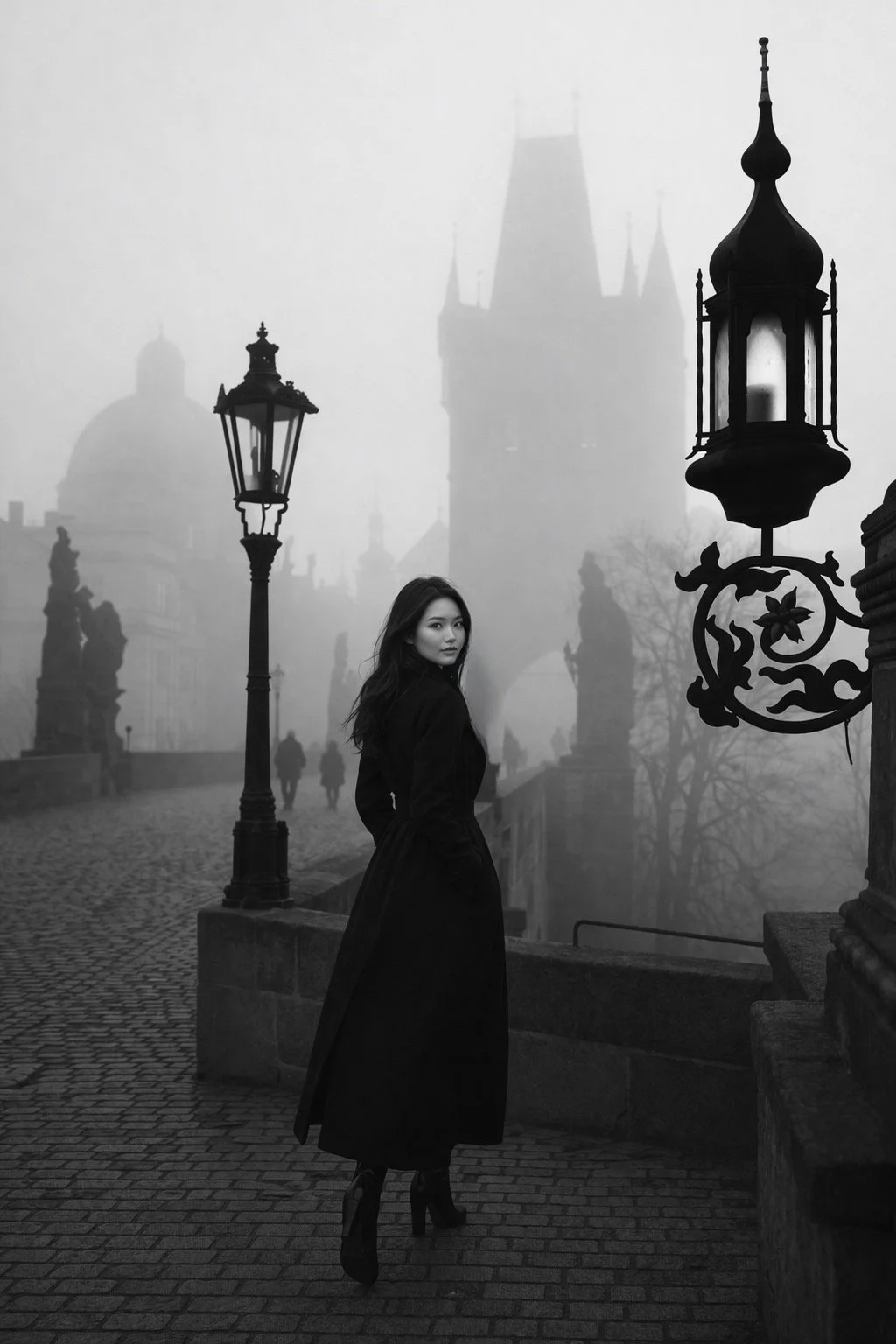
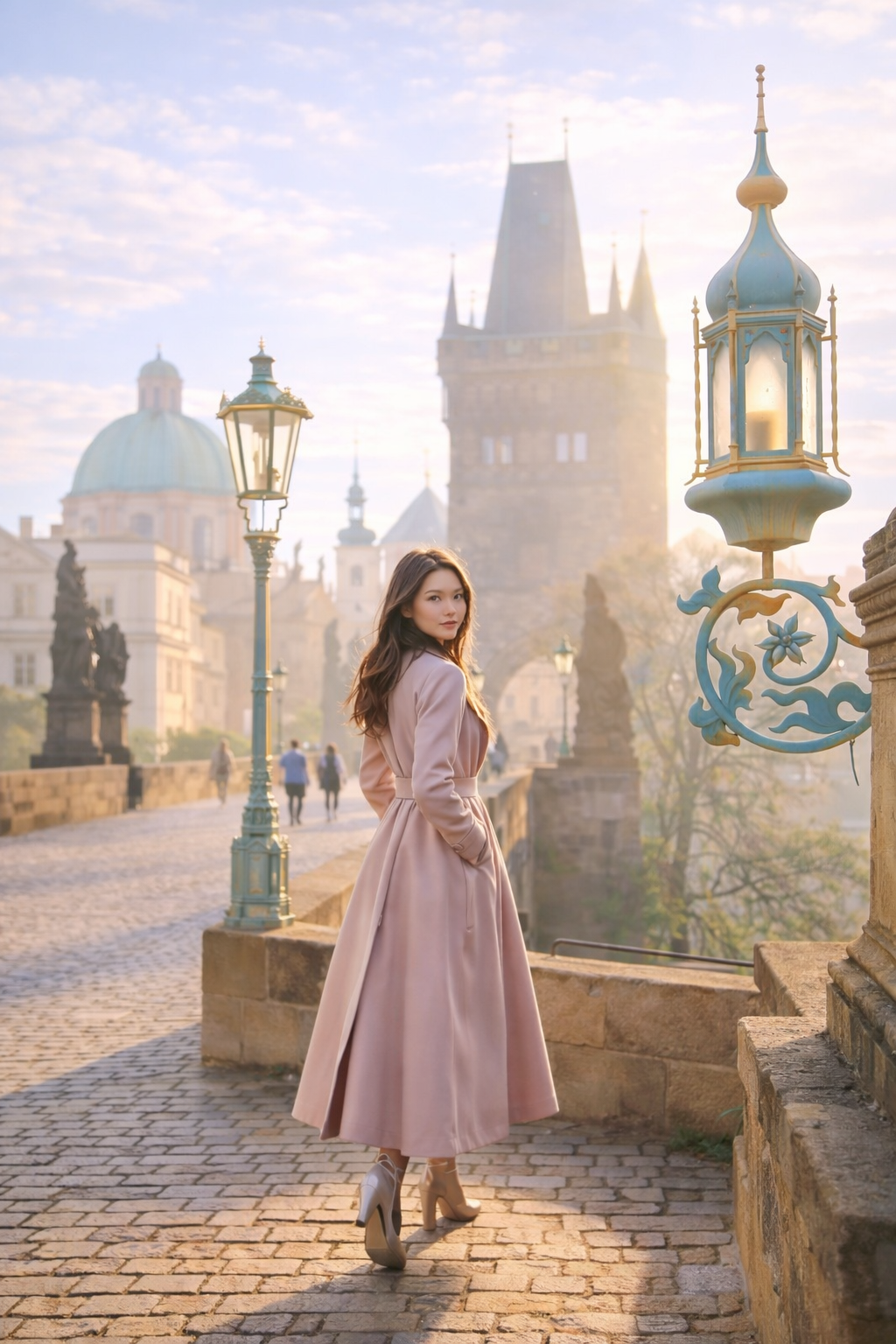
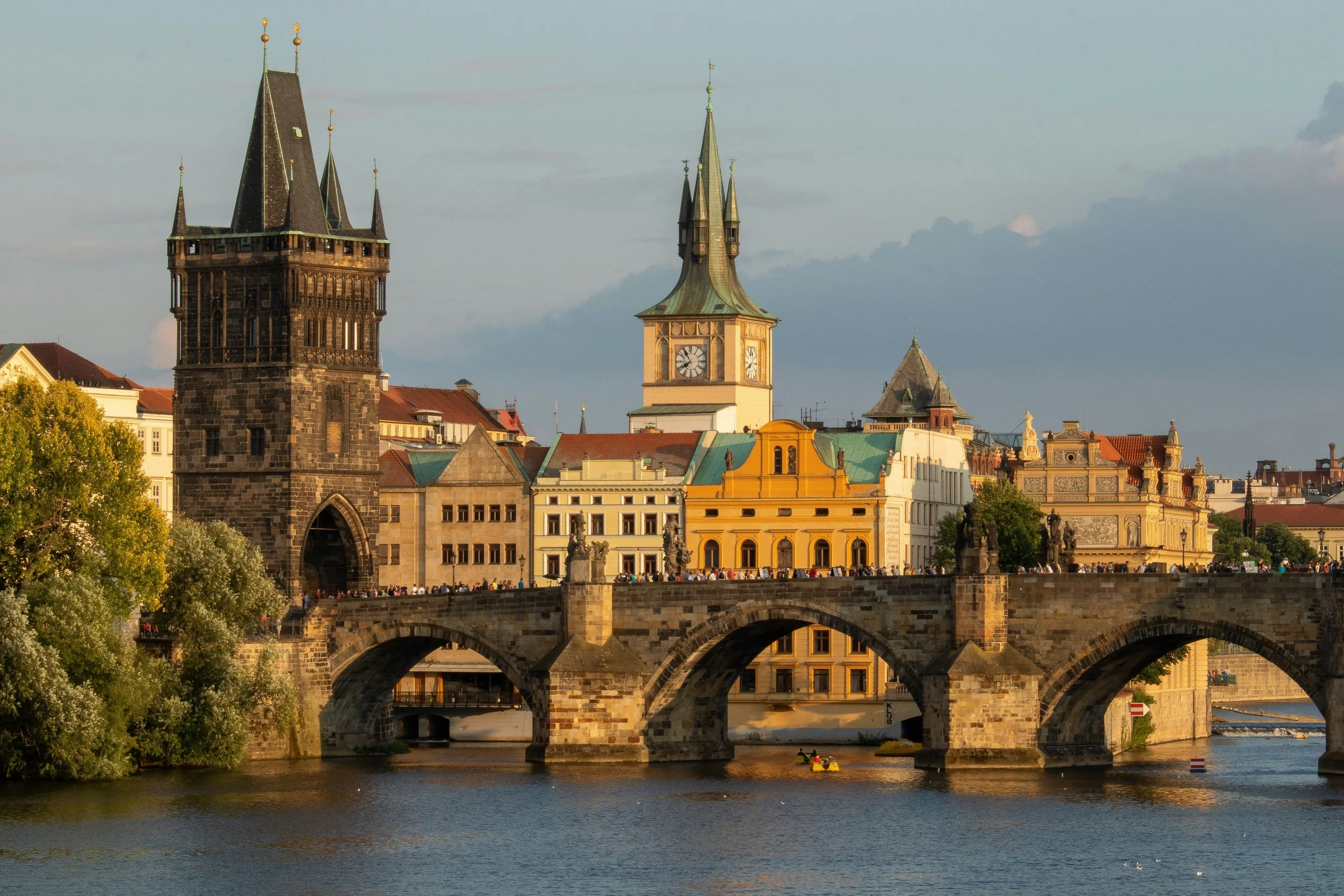
The Charles Bridge is crossed constantly. In the early morning, it offers a brief clarity—space, light, the sense of something unclaimed.
Later, it becomes collective. Movement slows, not unpleasantly, but inevitably. You become part of a larger rhythm, carried rather than directed.
It is easy to imagine the bridge empty, though it rarely is. Perhaps that is part of its character.
Elsewhere — The Side Streets
Away from the central paths, the city shifts. Streets narrow, sounds soften, details become more visible.
Windows reflect fragments of passing light. Cafés open quietly. Corners appear without intention.
These places do not present themselves. They wait.
Walking becomes less about destination and more about noticing—small changes, subtle differences, the way the city adjusts itself depending on where you stand.
A Certain Attitude
There is a particular quality in Prague that is difficult to name. A combination of awareness and detachment, of humor without display.
Georg described it through the figure of Švejk—a kind of quiet resilience, an ability to move through things without resistance or drama.
It is not indifference. More a form of acceptance, practiced over time.
Closing
Prague does not insist. It does not demand to be understood or fully explored. It offers itself in layers—some obvious, some easily missed.
You arrive with expectations, plans, perhaps even a structure.
And gradually, without effort, these dissolve.
What remains is simpler:
walking, observing, pausing.
And the sense—subtle but persistent—that the city has adjusted something in you, just slightly.
Enough to notice.