Gospel of Golden Hour
The Gospel of Golden Hour: Notes from Kiribane, Servant of the Light
Most people greet the golden hour with a relaxed sigh, a soft smile, or a glass of something civilized.
I, Kiribane, greet it like an overexcited Labrador who just spotted his favorite human. Camera in hand, bag half-open, straps tangled, hair definitely not cooperating — and still absolutely convinced the light and I have an understanding.
You see, I’ve developed a reputation as a wandering evangelist of light. First, I lectured everyone about the blue hour. My friends still tell me they can’t look at Twilight without hearing my commentary in their heads.
Naturally, I moved on to its warmer cousin: the golden hour. And like any good convert, I now preach it to anyone within a 30-meter radius.
When the Sun Goes Low, My Spirit Goes High
The golden hour begins right after sunrise or shortly before sunset — assuming the universe is in a cooperative mood. Its length depends on geography, season, and cosmic mischief.
What fascinates me?
Easy: the light.
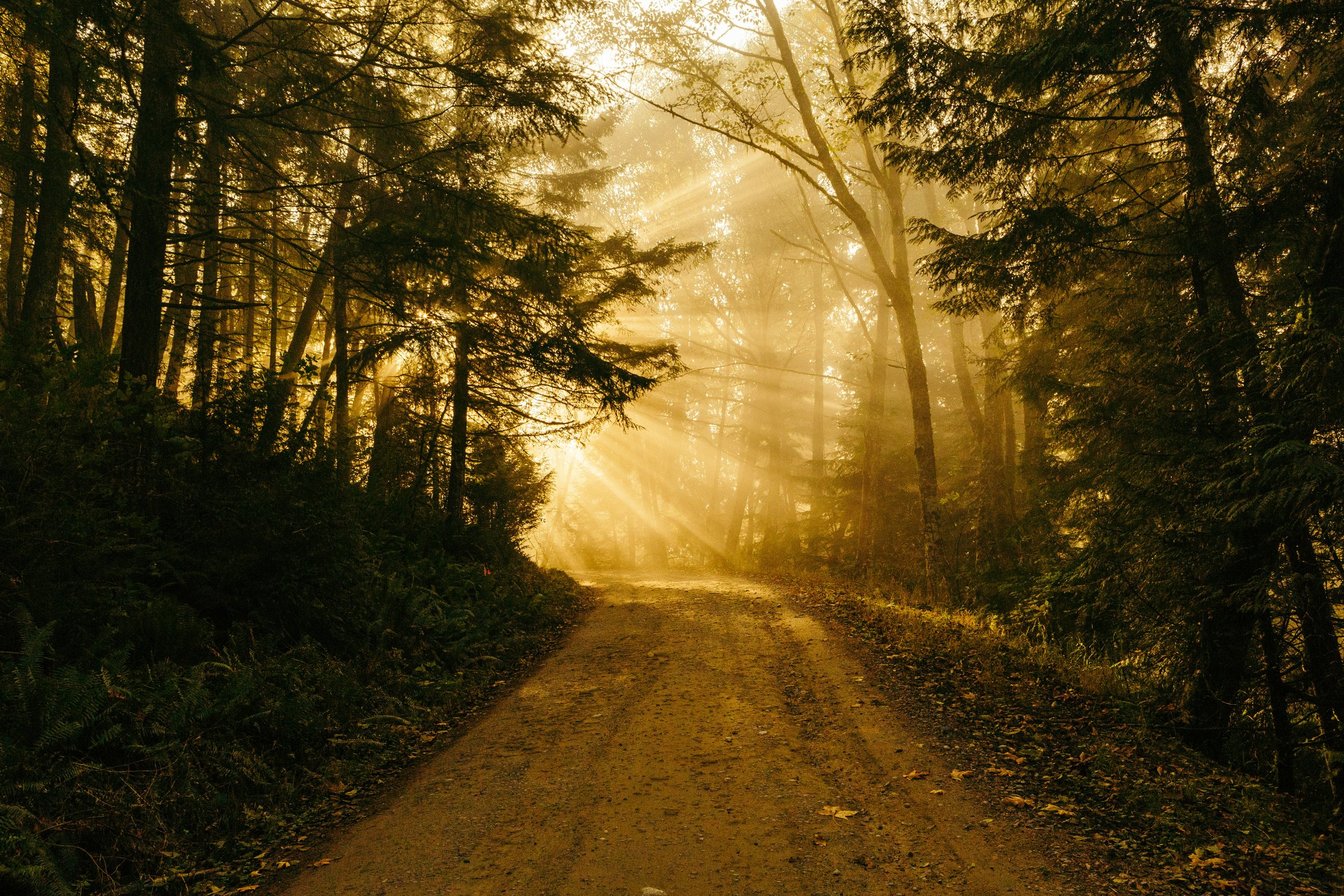
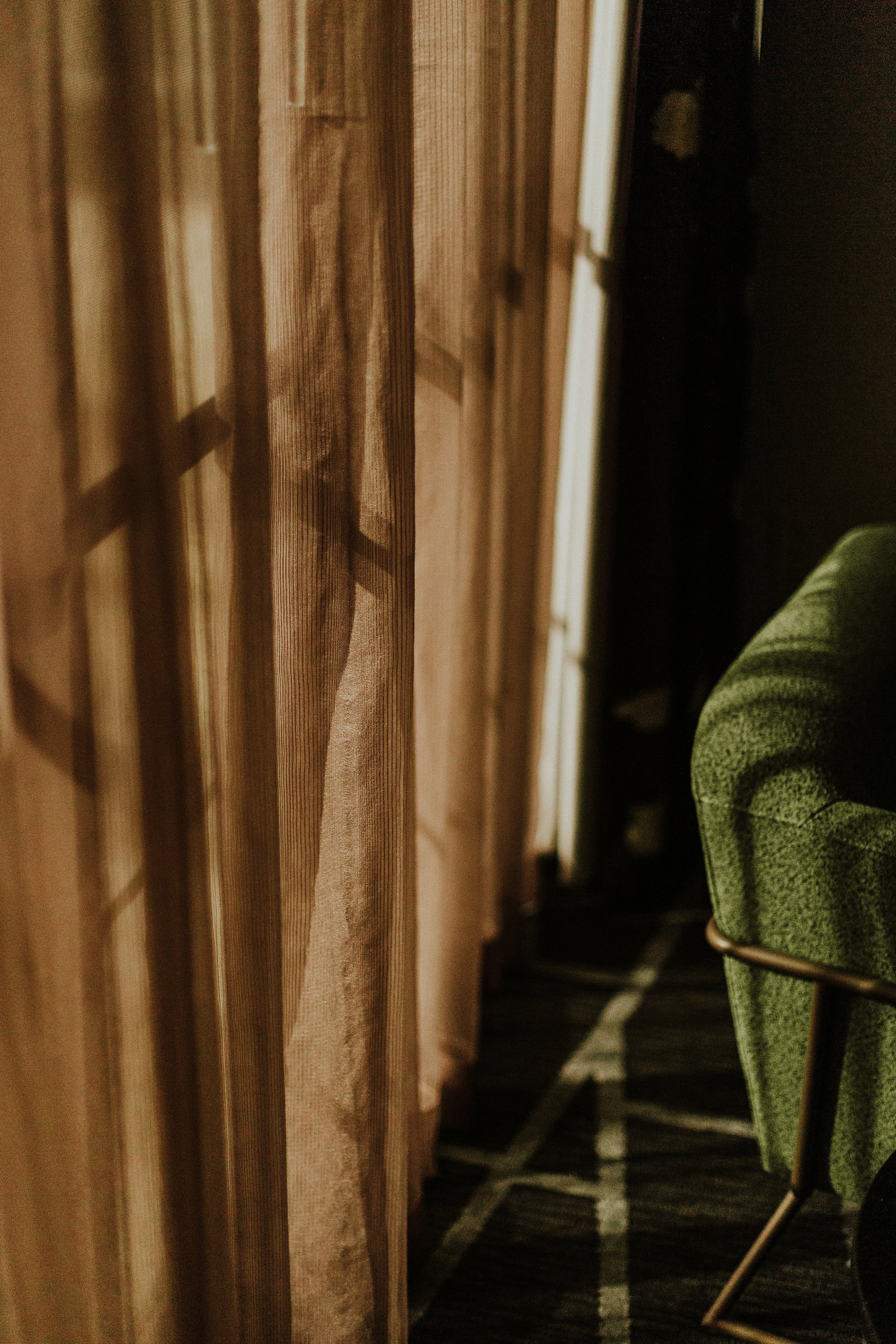
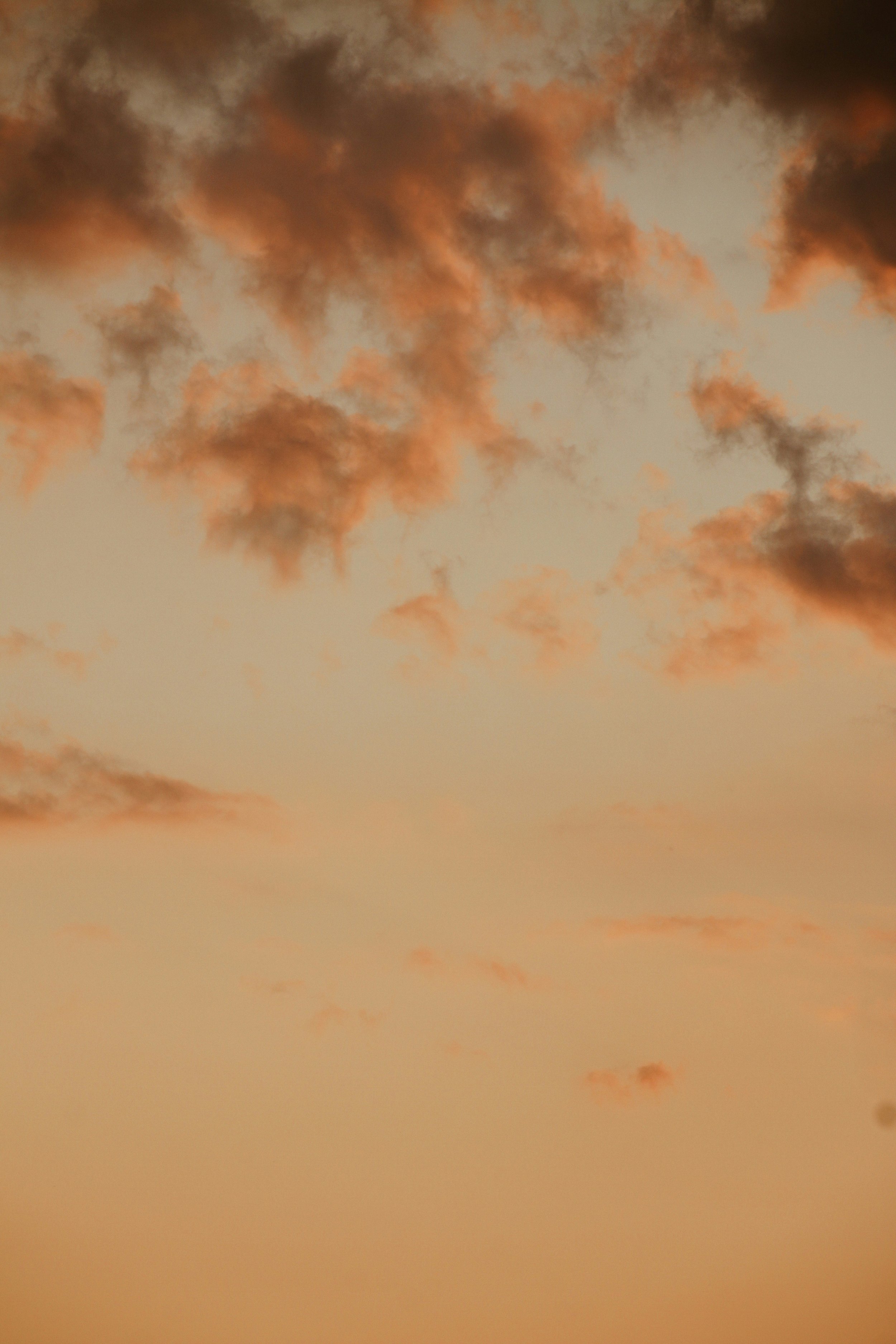
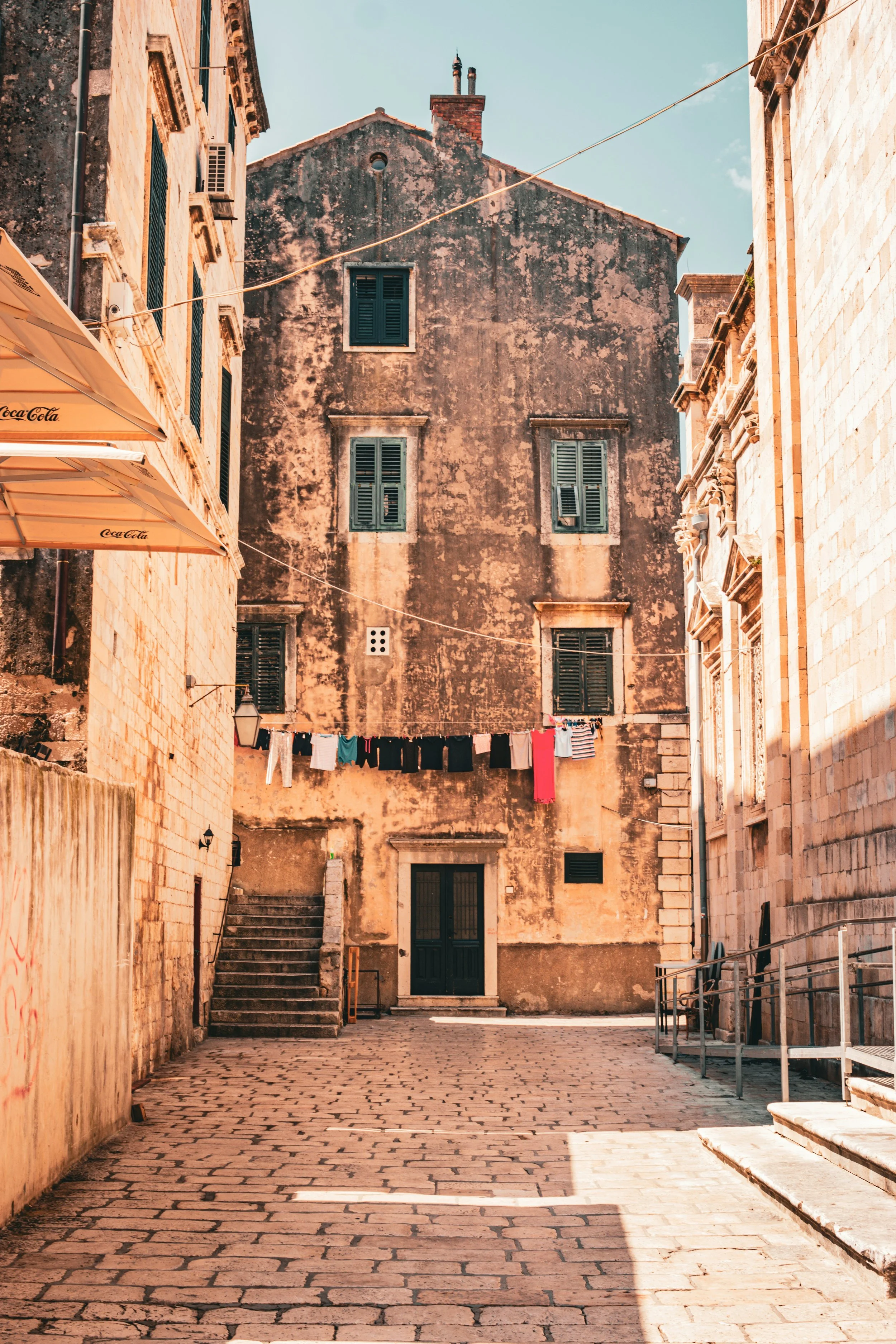
A low sun transforms everything. Shadows stretch out like they’ve remembered an appointment in the next district. Contrast intensifies. Suddenly, even a parked scooter looks like an Italian design icon worth photographing.
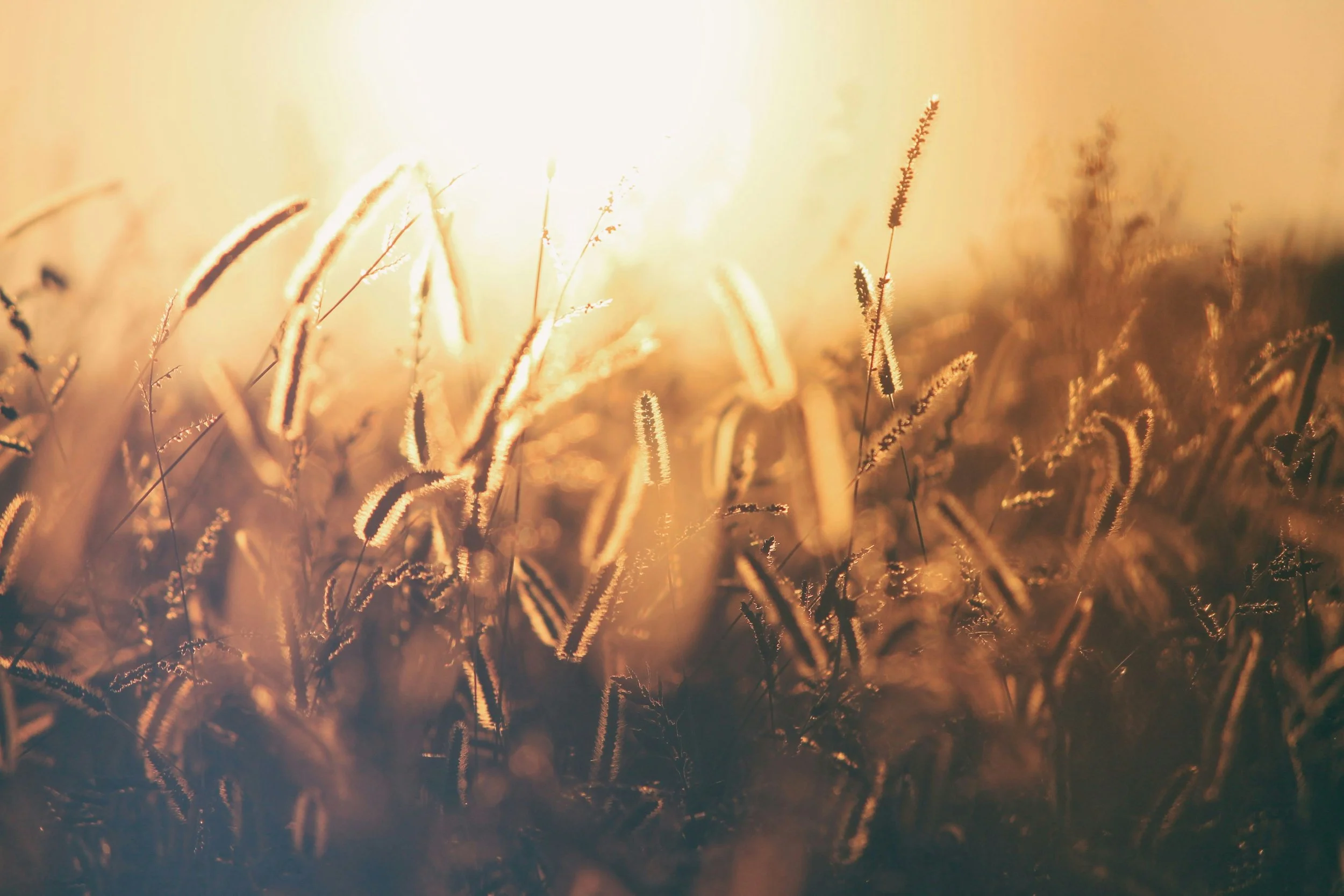
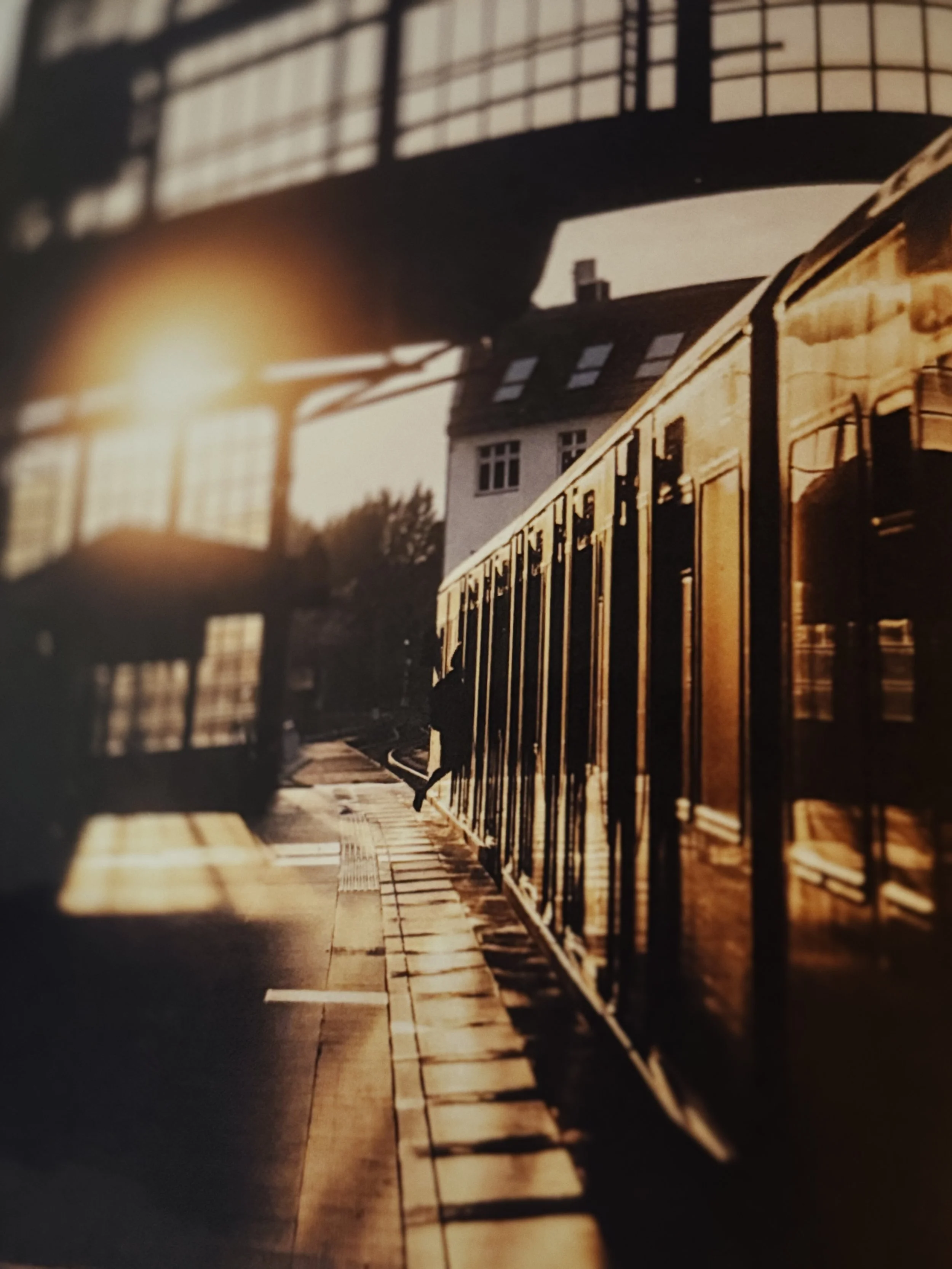
I adore backlight. It turns people into silhouettes, and honestly, who wouldn’t want the chance to look mysterious at 6:30 in the morning? Especially me. Morning-Kiribane needs all the help he can get.
Chapter 2: Blue Hour vs. Golden Hour — A Family Drama
The light at this hour is calm and elegant.
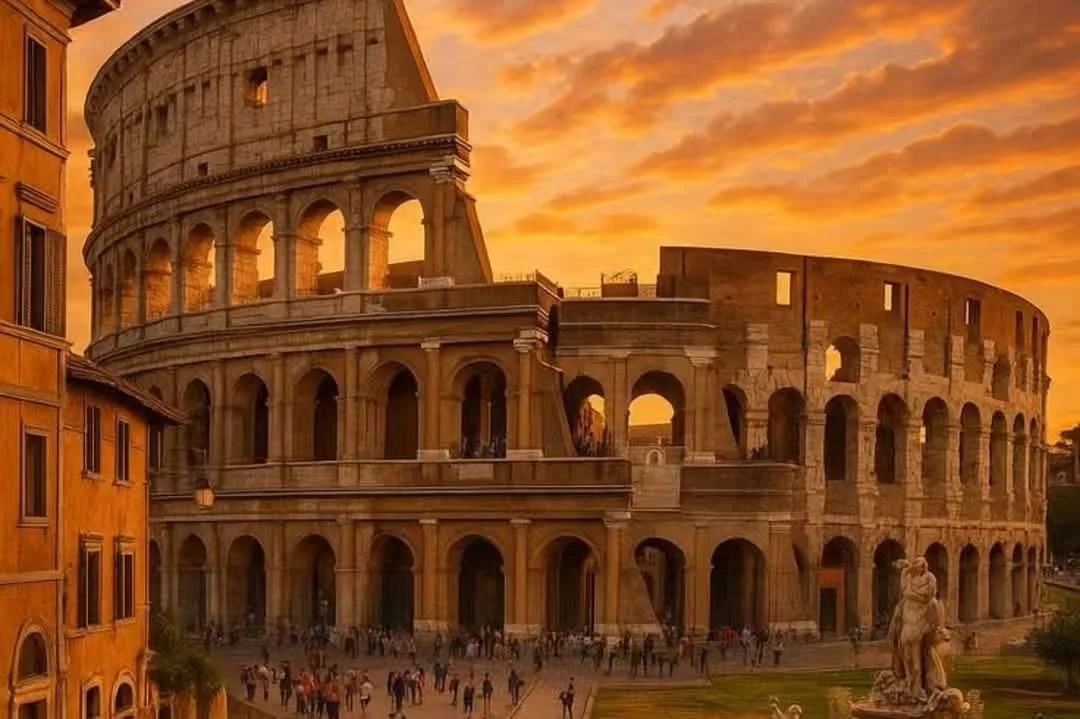
The golden hour is dramatic and warm — the visual equivalent of a very flattering compliment.
During this time, the city feels deserted, as if everyone decided to take a synchronized break and leave me alone with the light. That’s when I rediscover it all over again: buildings, trees, benches, abandoned coffee cups — everything becomes a potential masterpiece.
Of course, this only works if the sun shows up. When clouds spoil the perfect timing, I end up staring at the sky like someone waiting for a date who texted, “Just five minutes!” forty minutes ago.
The Noble Art of Waiting
My process resembles wildlife observation, minus the camouflage.
I often scout a place ahead of time.
I’ll look at a façade, a shadow line, a corner, and think: You, my friend, will look perfect in golden-hour light.
Sometimes I wait so long that joggers start greeting me by name, even though I’ve never seen them before. Dogs begin to treat me as part of their territorial map.
But when the sun hits that perfect angle, all hesitation dissolves. I fire off shots like a caffeinated woodpecker.
How Not to Lose Your Subject to the Shadows
I follow two basic principles:
The light should flood the scene, as if it actually cares.
The subject should not vanish into darkness like a guilty cat fleeing the crime scene.
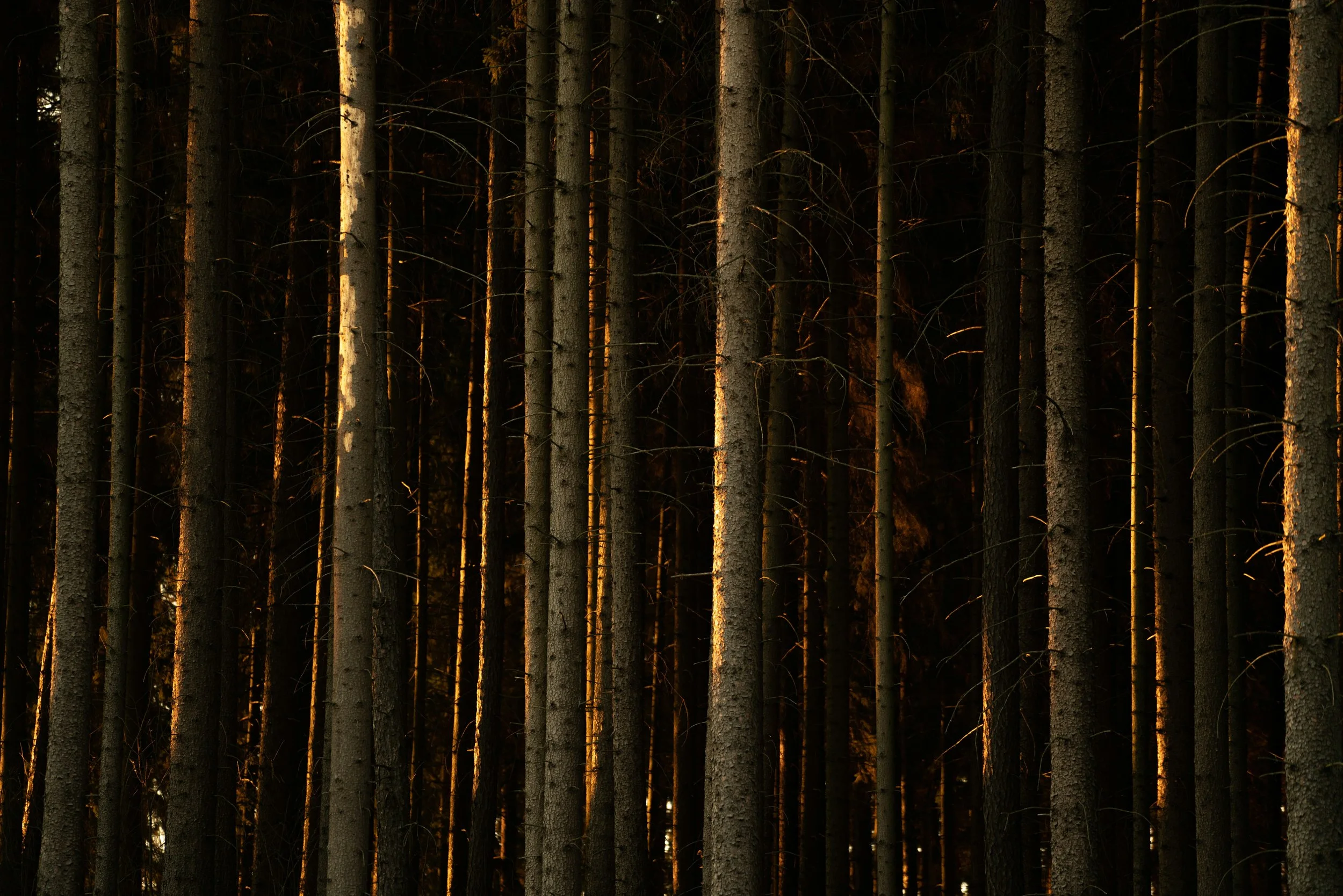
I often frame brighter elements with darker ones — a trick I partly learned from analogue photography and partly from happy accidents I pretend were intentional.
Sure, modern sensors and RAW files give me room to recover mistakes. But even in 2025, technology can only do so much. It’s like having a patient friend who still sighs heavily when you mess up.
My Editing Adventures
Yes, I edit my photos.
Not excessively — just enough to recreate the feeling I had when the shutter clicked.
Sometimes I enhance the sun rays.
Sometimes I add a bit of glow with a diffusion filter for that 90s music-video softness.
Often, I push the contrast. Dramatic shadows make highlights shine like they’re auditioning for a role in a very luminous opera.
Me, the Sun, and Our Complicated Relationship
For me, the golden hour isn’t just a time of day. It’s a commitment — like a long-term relationship with someone beautiful, unpredictable, and occasionally rude.
My advice?
“Follow the light. But don’t chase it too desperately. It gets scared and hides.”
If the light treats you kindly, you’ll return home with glowing photos.
If not, at least you’ll have enjoyed a walk that looked far more cinematic than it felt.