Pretend to Be Invisible.
Fragments, Pauses, and Other Reasons I Keep Photographing the Street
A personal narrative
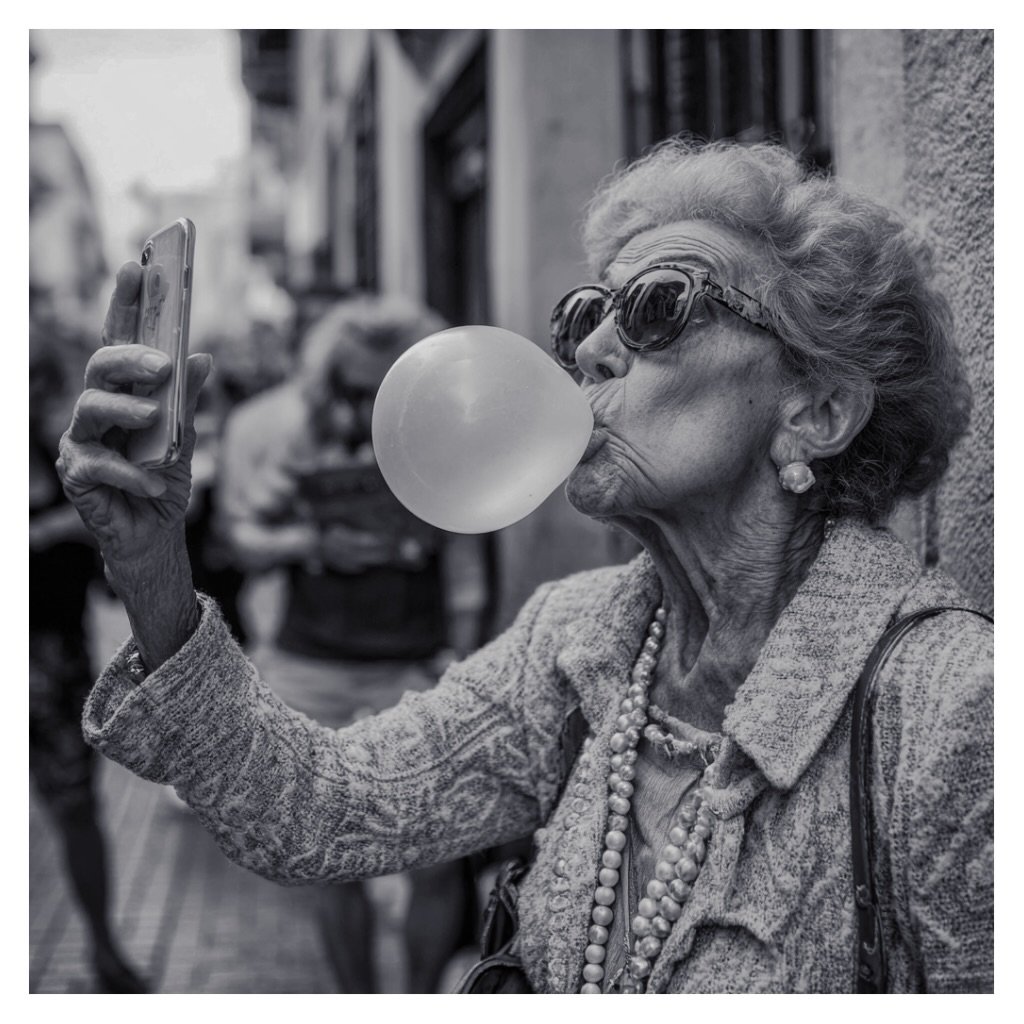
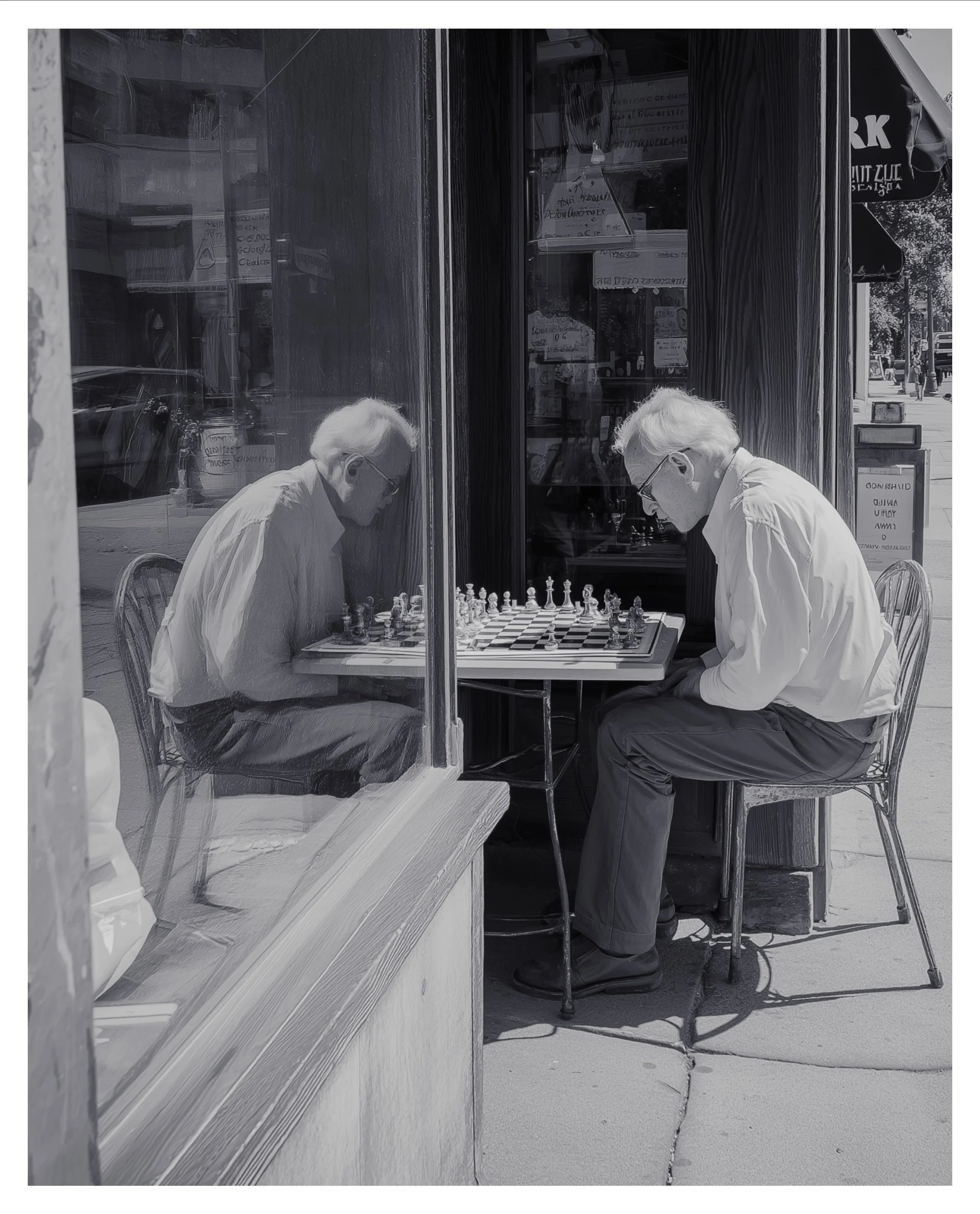
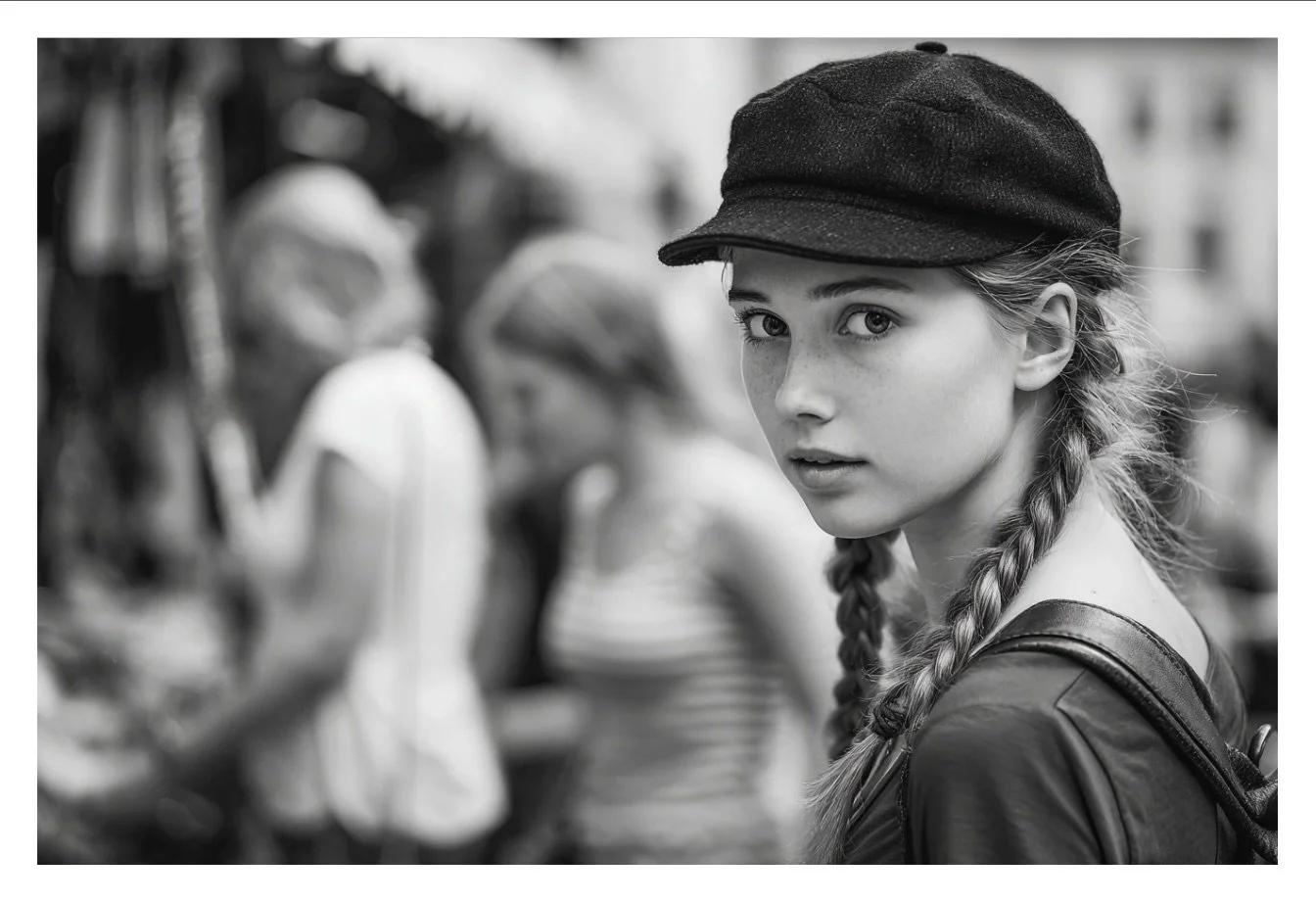
I try—honestly—to approach people with empathy. That may sound like a lofty mission statement for someone who spends an unreasonable amount of time pointing cameras at unsuspecting strangers, but that’s the truth of it. I’m not out there hunting for “characters,” and I’m certainly not chasing spectacle. The world already produces more spectacle than the human nervous system was designed to handle. What interests me are the micro-moments that pass unannounced, the small truths that slip between the cracks of the day.
A gesture. A pause. A stray rhythm that shapes the flow of the street. The kind of thing you only notice when you stop trying to find something interesting and start noticing what’s actually there.
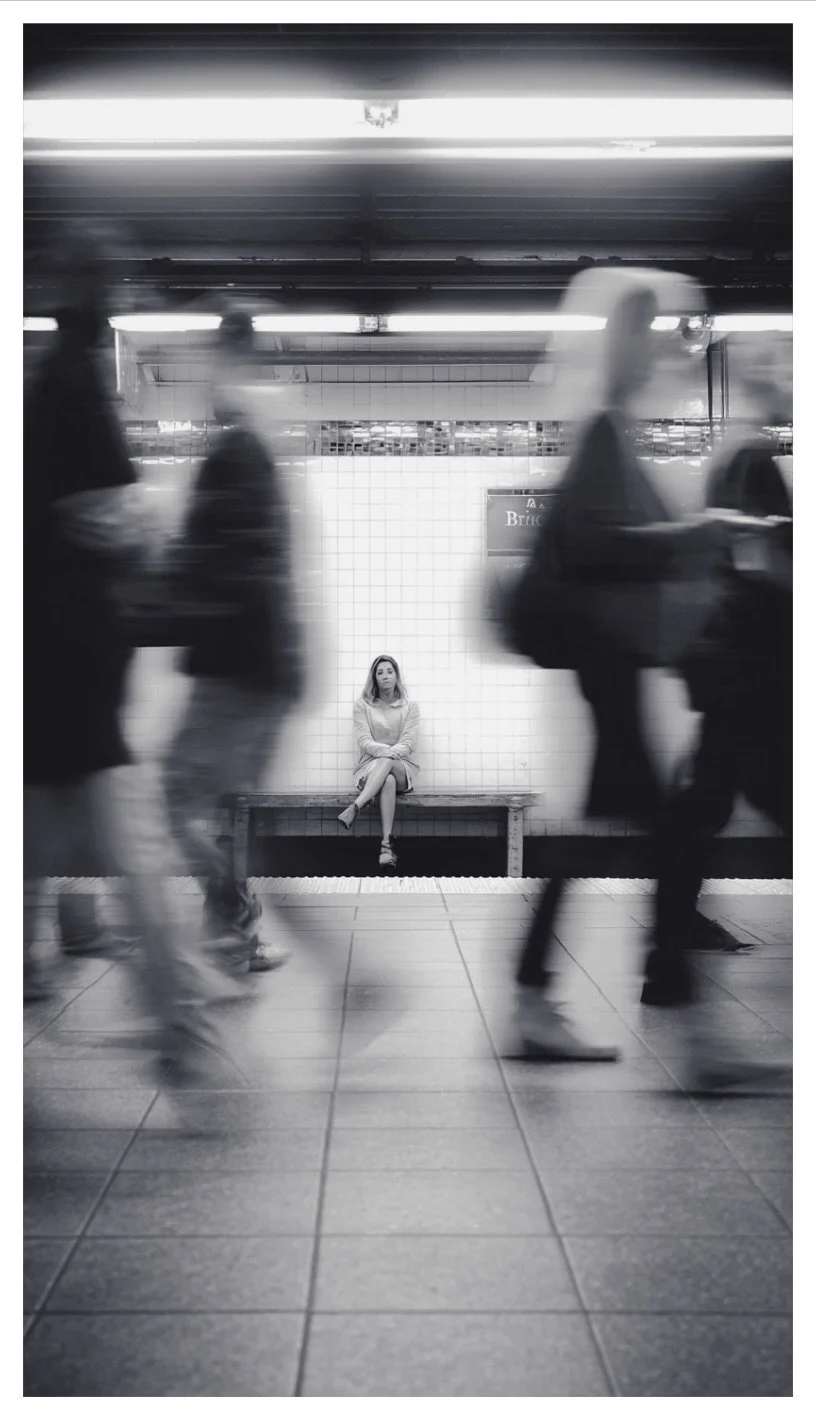
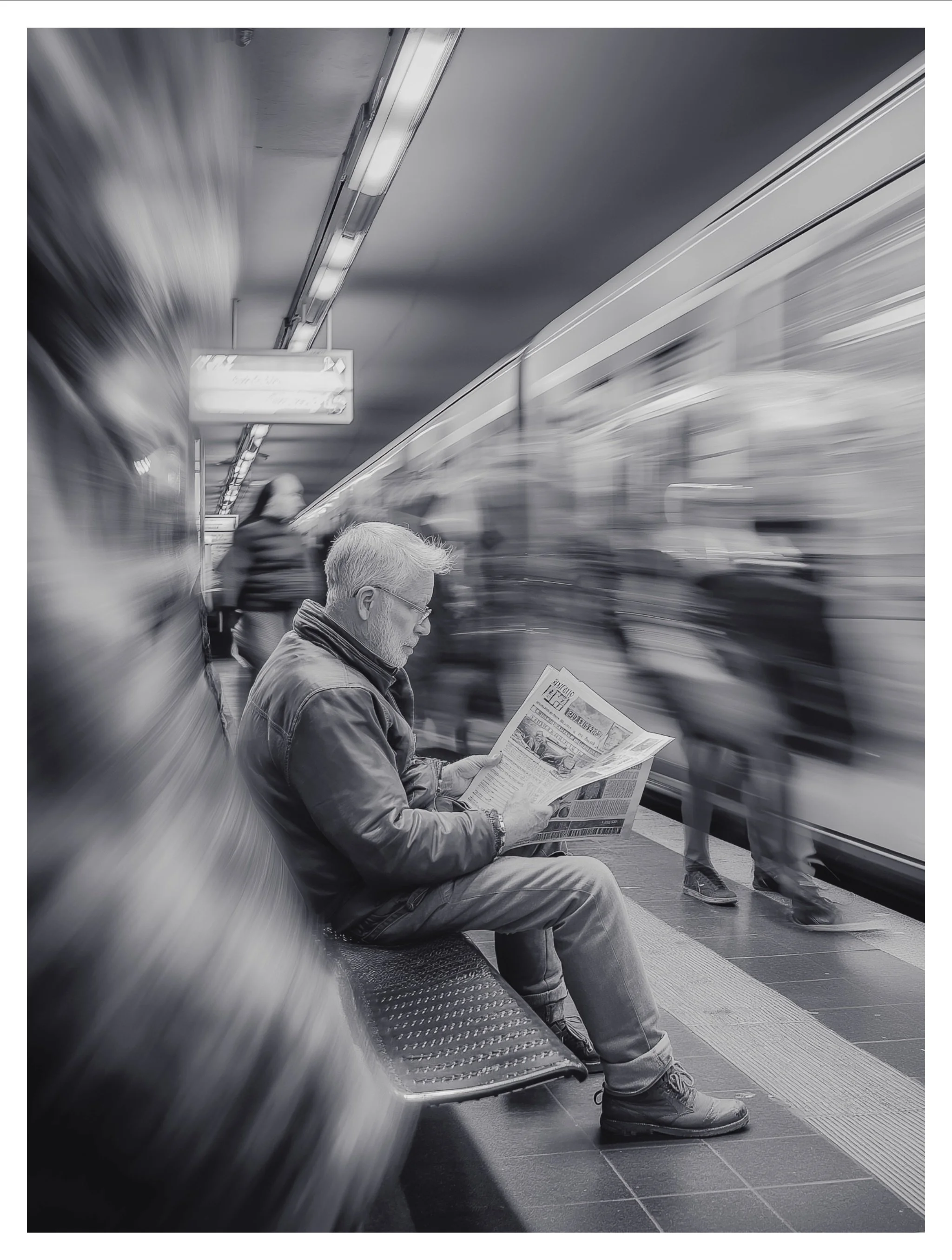
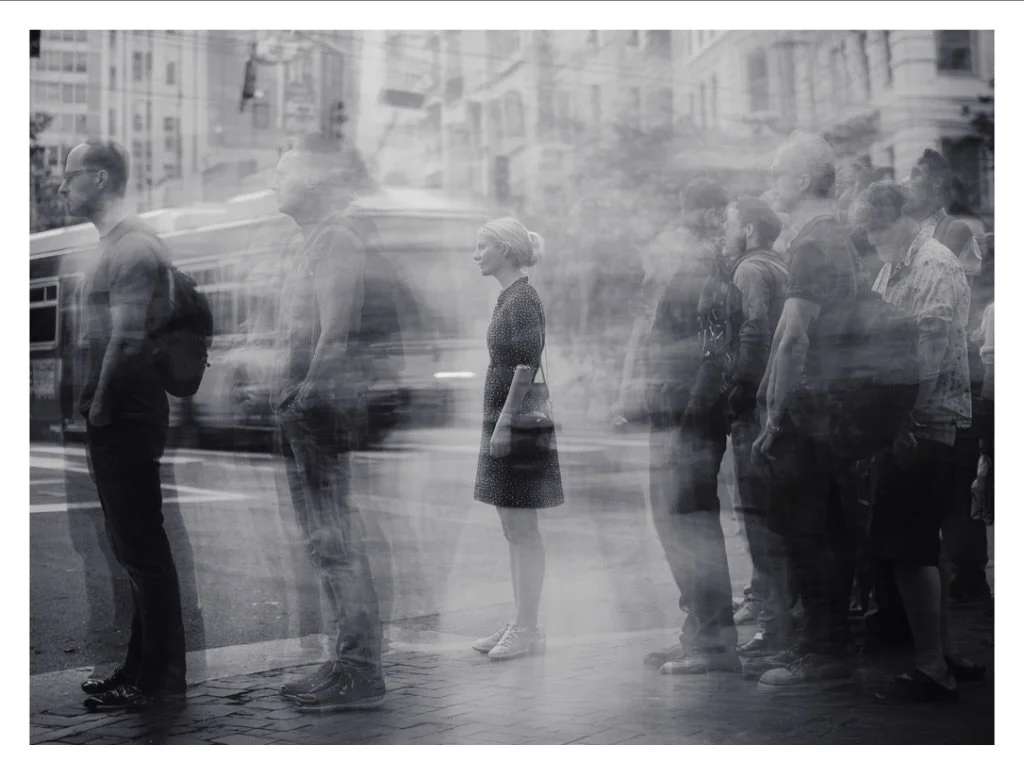
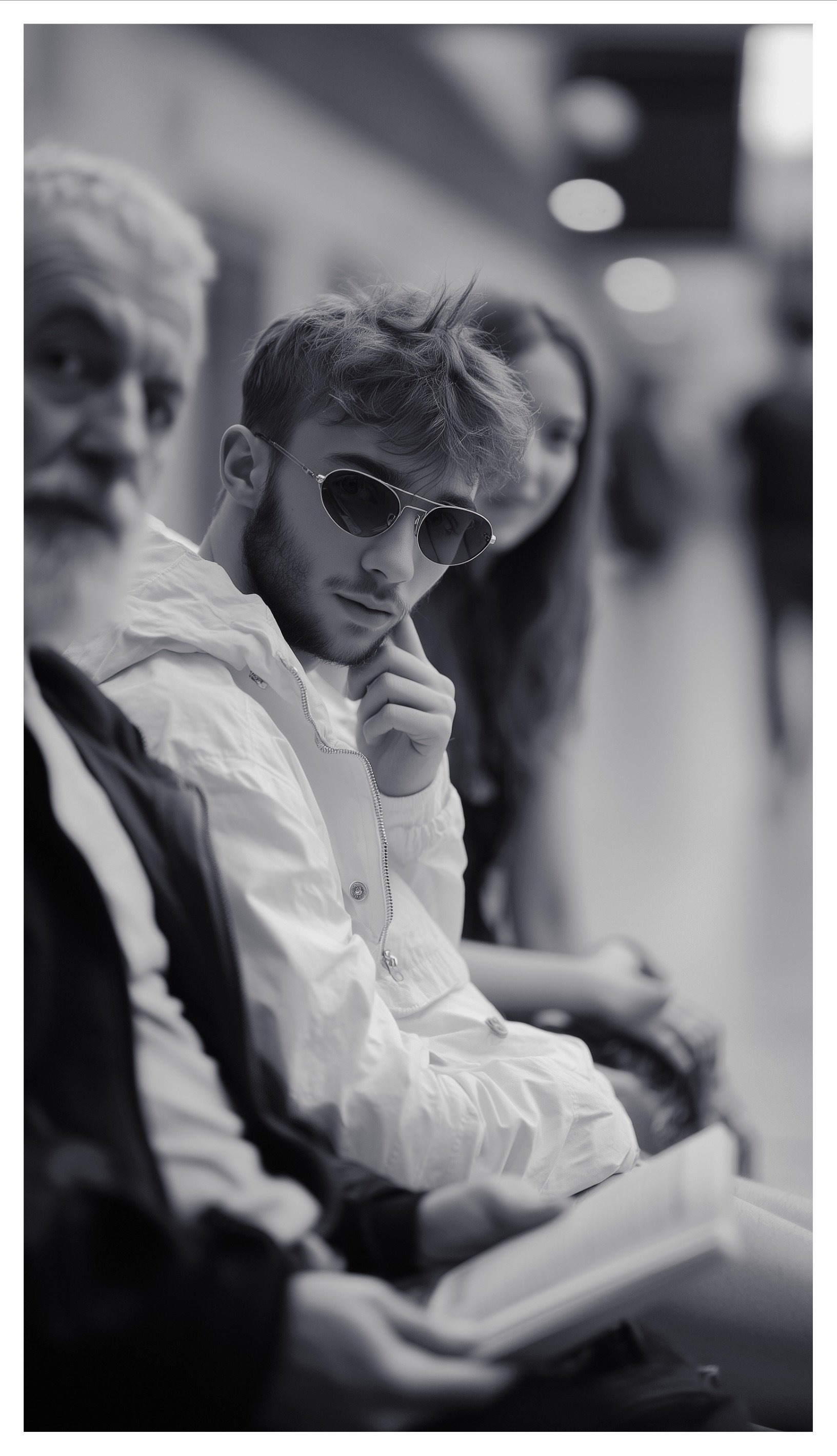
Take, for instance, the act of waiting for a bus. Most people assume it’s an ordinary task, a piece of administrative life: you stand, you wait, you hope it arrives before you lose your will to live. But if you watch closely, waiting for a bus becomes something else entirely—a spiritual test, a miniature drama, a collective exercise in patience, resignation, and questionable posture. People reveal themselves when they wait. They reveal how they handle uncertainty. They reveal whether they lean into the world or away from it.
I’ve seen faces at bus stops that held entire novels in them. Not gripping thrillers, maybe, but novels nonetheless. Someone stares into the middle distance as if negotiating with fate. Someone else checks their watch for the 17th time, convinced that the act of checking will bend time in their favor. A teenager slouches with enough emotional momentum to sink a small boat. And there I am, on the opposite pavement, pretending to study the façade of a bakery while actually observing the quiet choreography of anticipation.
Then there’s the coffee drinker—the person holding their morning cup as if it were a live explosive. The concentration is extraordinary. You’d think they were defusing a device rather than trying not to spill foam on their jacket. Meanwhile, the city swirls around them: bicycles slicing through traffic, pigeons failing at basic navigation, office workers speed-walking toward an appointment they already know they’ll be late for. And in the middle of all that chaos, someone cradles their cappuccino like it contains the last remaining warmth on Earth.
These are the moments that pull me in—not because they’re dramatic, but because they’re human. They’re small rituals that carry more emotional truth than the staged spectacles we scroll past every day. They’re tiny hinges that the whole day swings on. And if you’re lucky enough, fast enough, or foolish enough to be standing there with a camera when such a moment unfolds, you can catch a sliver of that human truth before it evaporates.
Embracing the Fragment
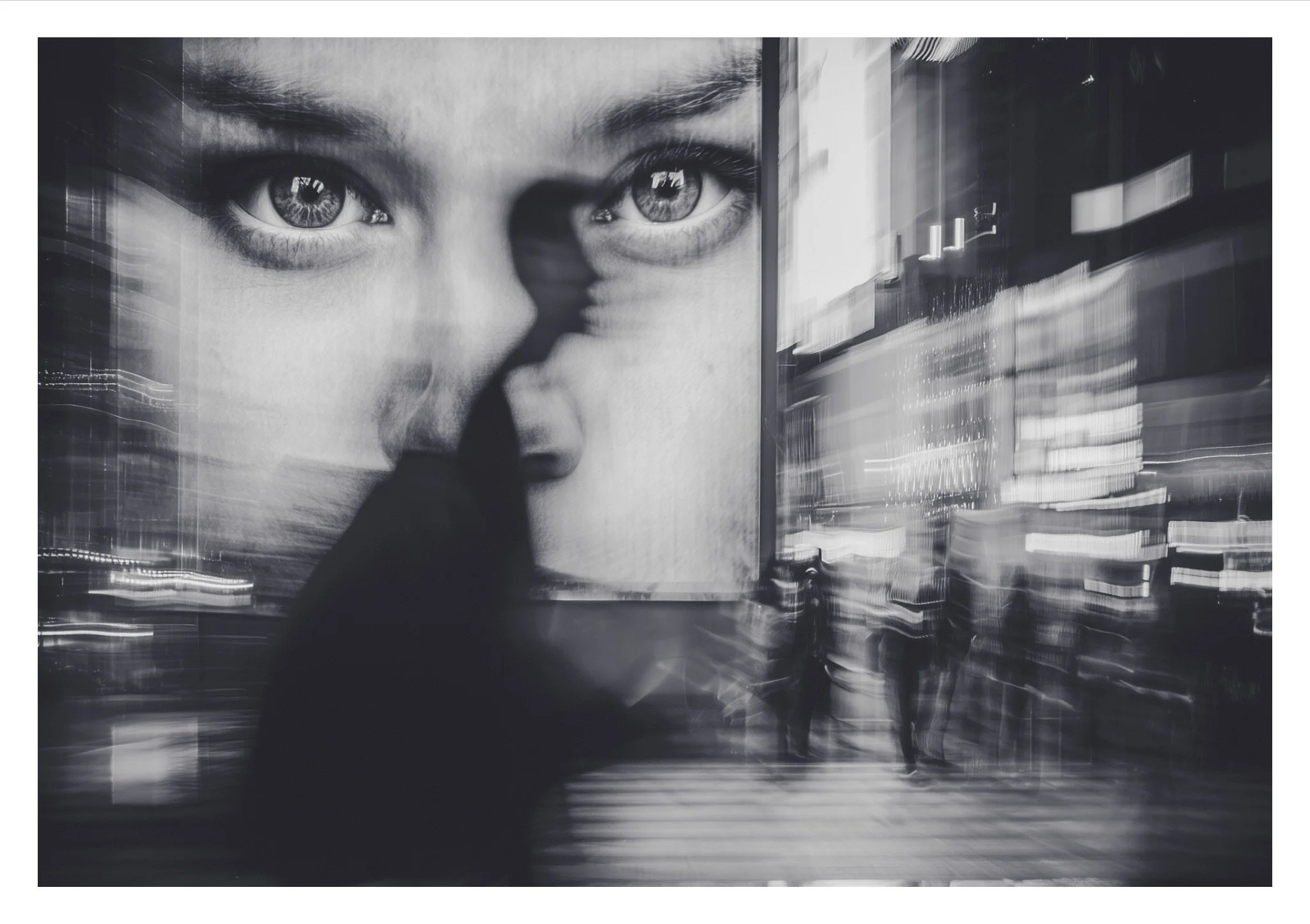
The longer I photograph in cities, the more I’ve accepted that the street will never give me the whole story. Cities are terrible storytellers in that sense. They don’t do complete narratives. They don’t sit down and explain themselves. What they provide instead are fragments—broken pieces of a much larger puzzle we’re never meant to solve.
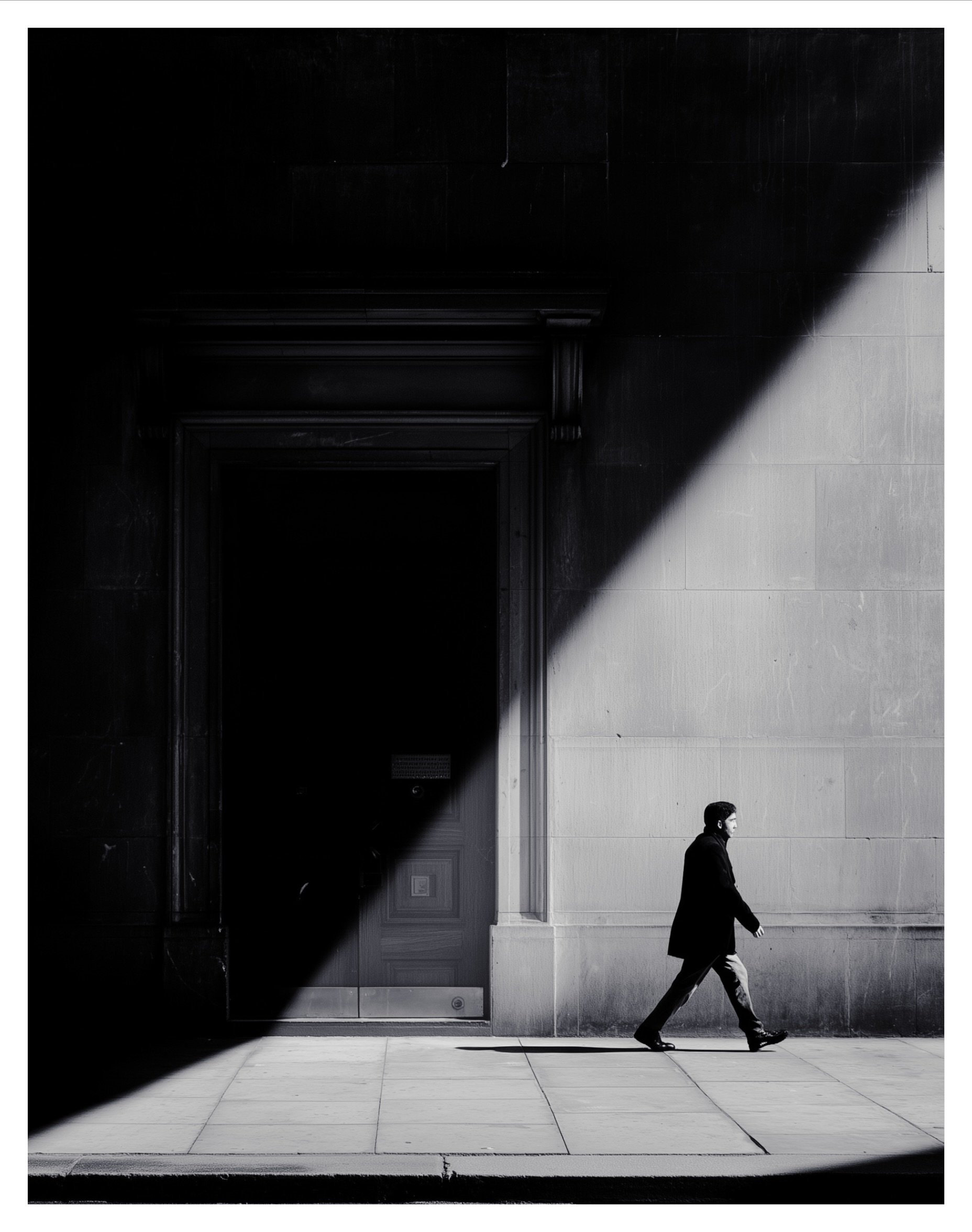
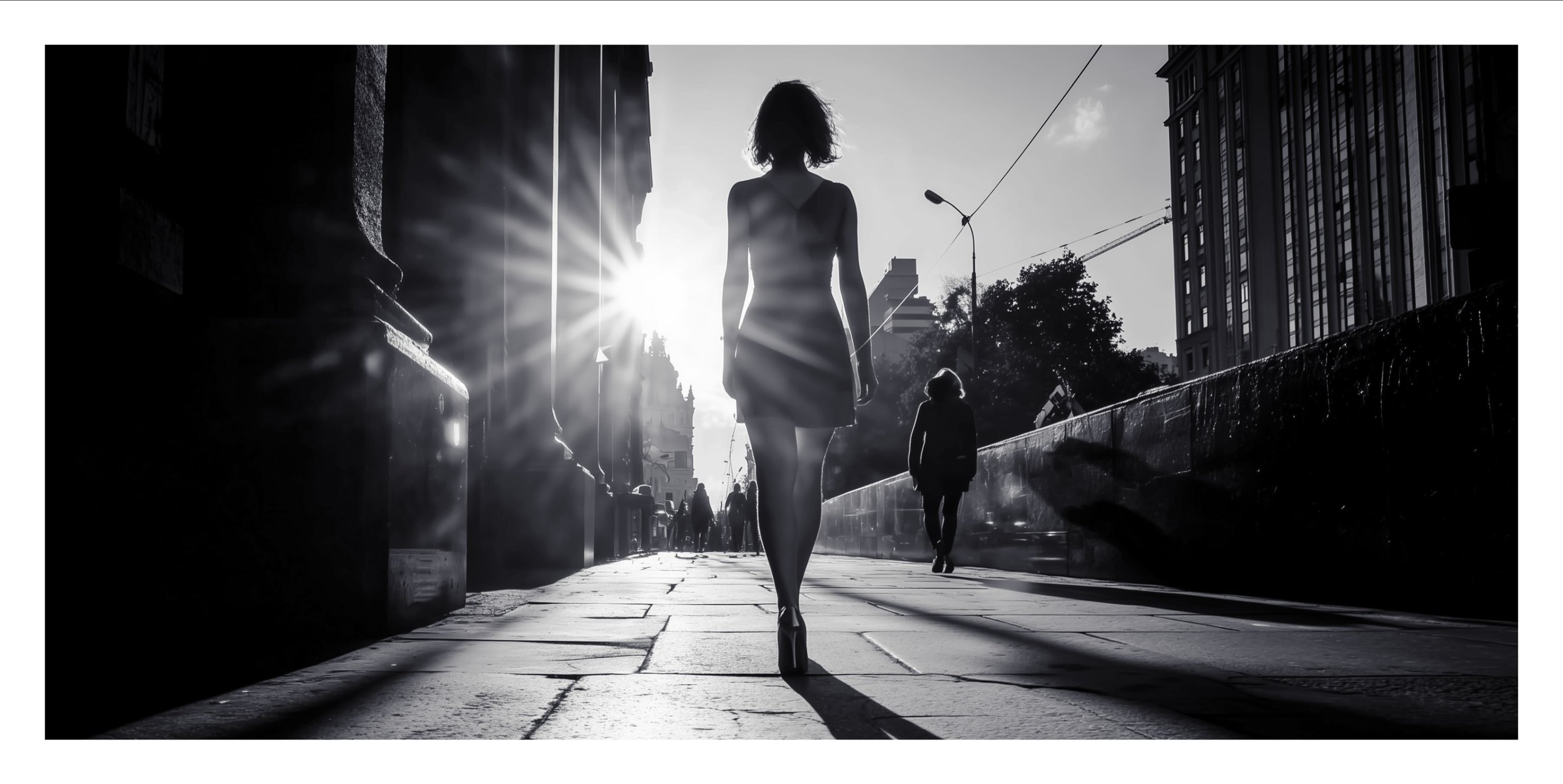
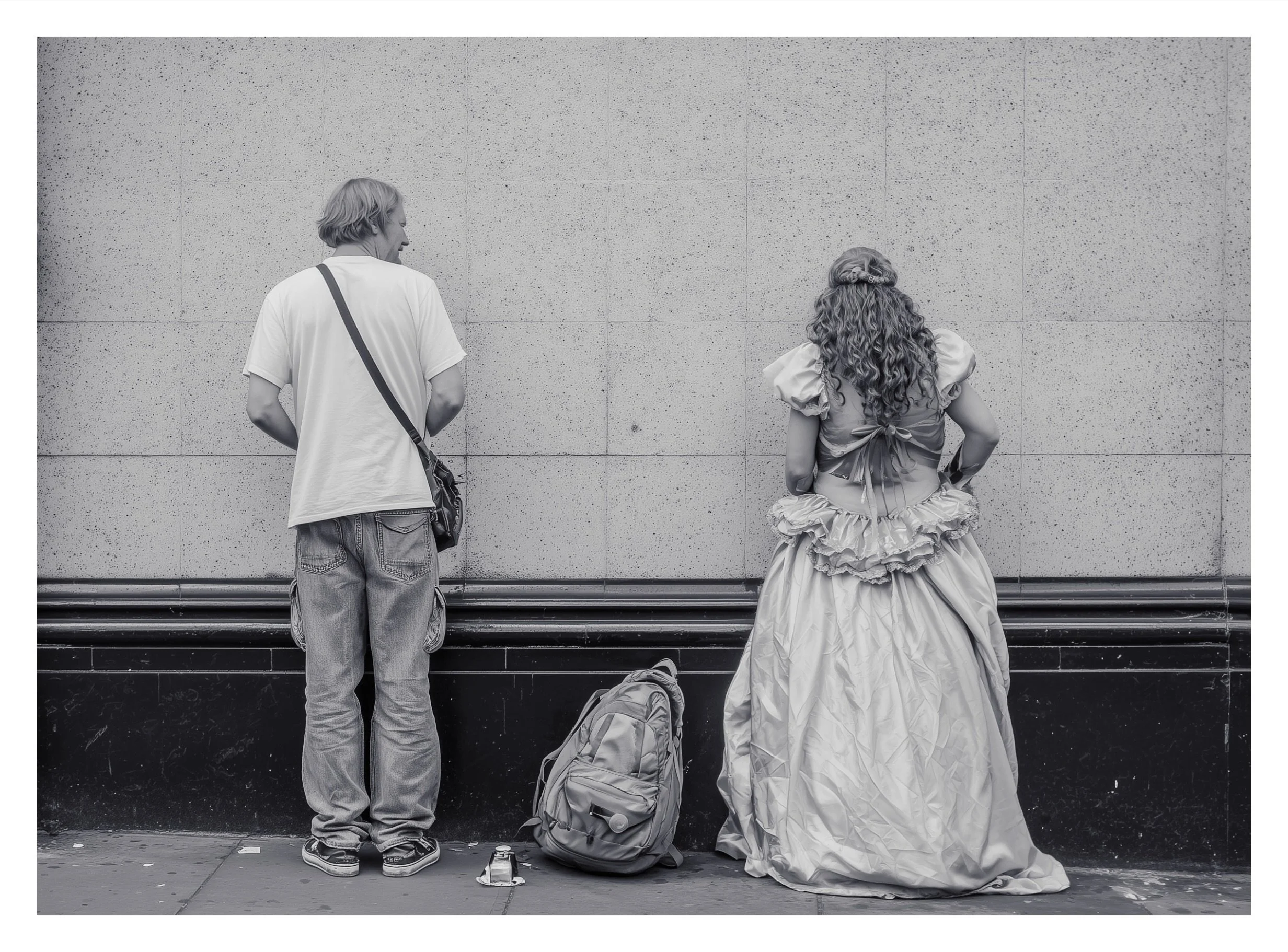
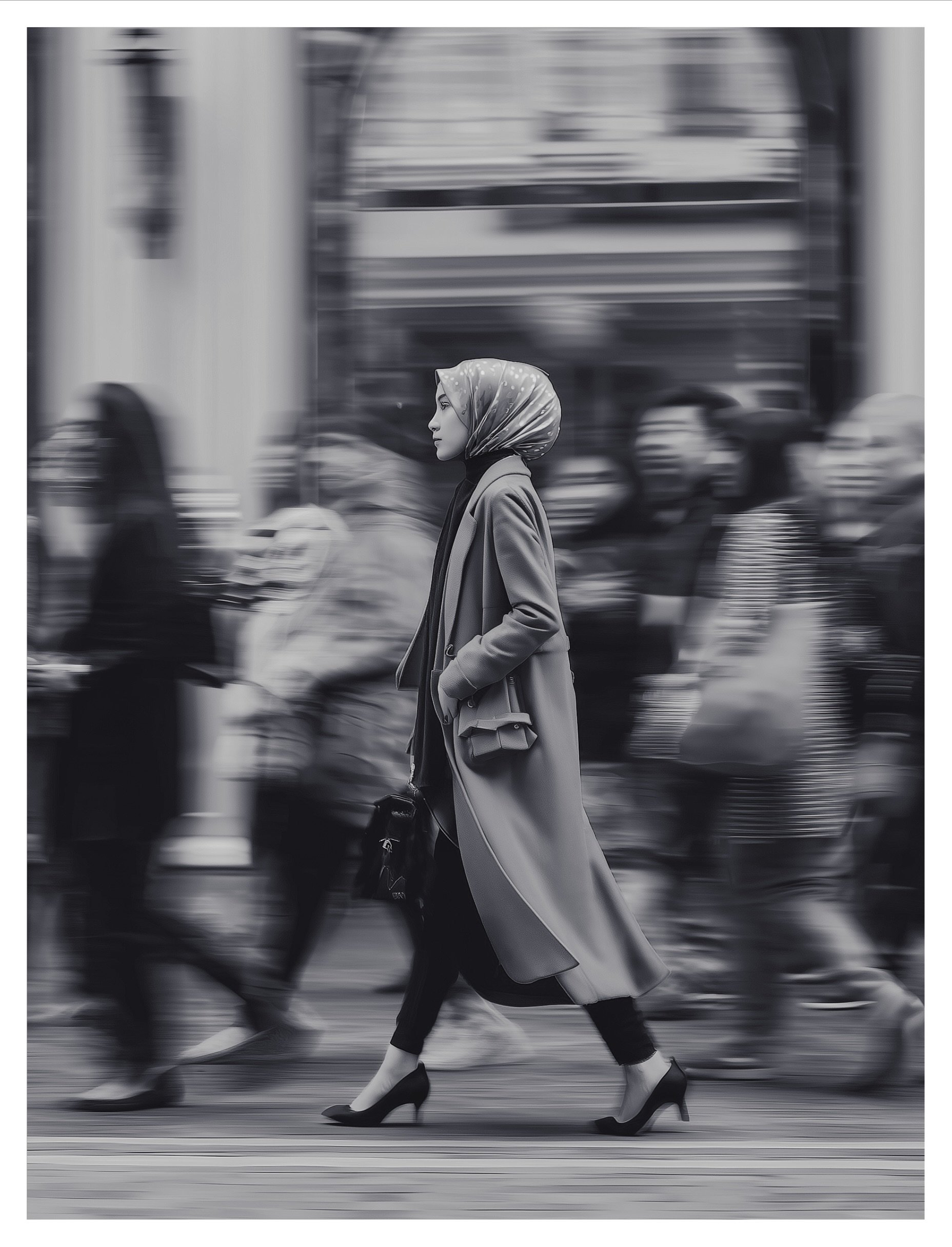
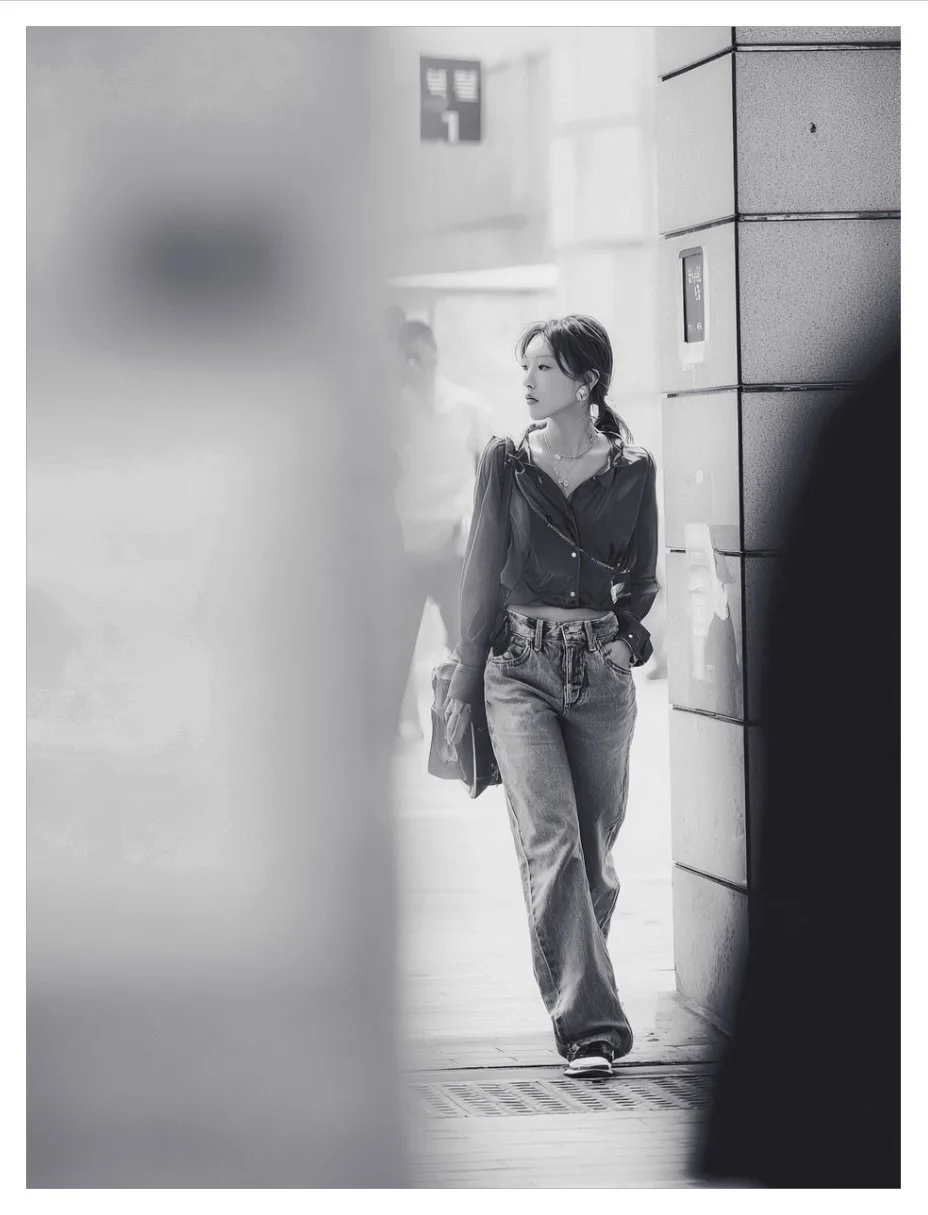
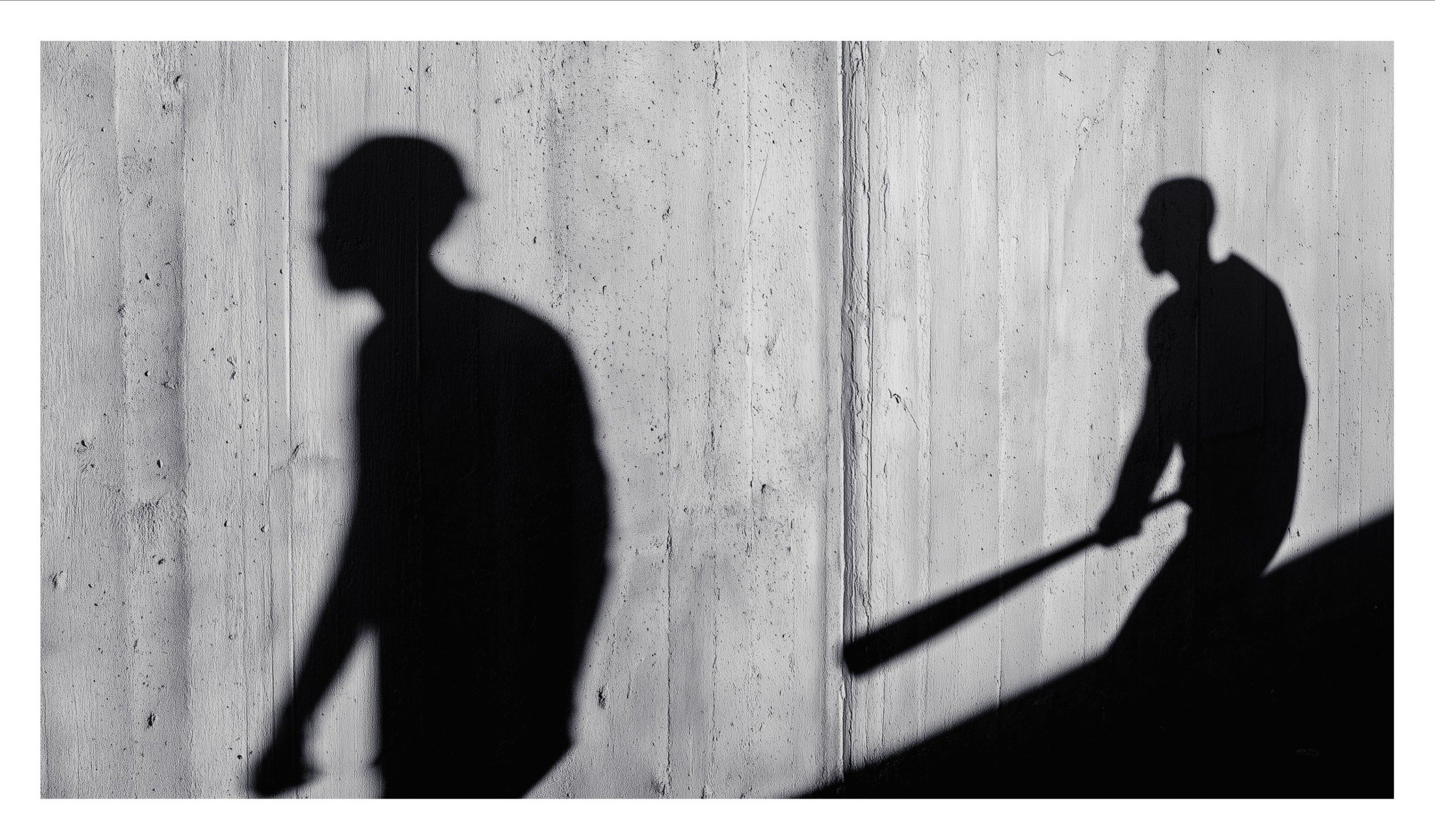
A silhouette crosses a beam of light so perfectly it feels as if someone rehearsed it. A mismatched group of people waits at a corner: a construction worker, a child in a superhero cape, a woman holding a bouquet of lilies, all temporarily united by the tyranny of the red pedestrian signal. A reflection jumps out of a window you swear wasn’t reflecting anything a second ago. Cities rearrange themselves every moment, shifting their geometry like an indecisive stage designer.
And, strangely enough, I’ve learned to love the unresolved nature of it all. The fragment is where the photograph breathes. The incomplete image carries a kind of tension that the fully explained never could. When everything is too clear, the mind relaxes and moves on. But when something is missing—when a frame hints at a story without declaring it—you feel a tug, an invitation to look again.
That’s the kind of photograph I aspire to make: one that feels like a question, not an answer.
Fragments have their own rhythm. They whisper instead of shout. They say, “Look, but not too quickly.” They remind you that the world is constantly unfurling, and that no single image—no matter how well-timed or well-composed—can contain everything. But a fragment can hold a pulse, a suggestion, a mood. And sometimes that’s enough.
Walking Home With Too Much and Too Little
There’s a particular ritual that repeats itself in my life as a street photographer. It goes like this: I leave the house with a ridiculous sense of optimism. I wander, walk, watch, stare, wait, and occasionally press the shutter. After hours of this, I return home—or to a café I pretend is my office—with a memory card full of files or a few rolls of film weighing down my bag.
This is the moment when my internal monologue becomes comedic.
Part of me thinks: I’ve got at least three masterpieces in here. Maybe four. Five if the photographic gods were generous today.
Another part of me—the sensible part—whispers: Try not to get too attached.
I transfer the files. I scan the negatives. And then the truth reveals itself with icy neutrality: the shot I thought would change my life is wildly out of focus, overexposed, underexposed, or photobombed by someone making a face that haunts me for days.
Meanwhile, the photograph I made accidentally—while adjusting the strap or checking whether my camera was even on—turns out to be the most interesting frame of the day. It’s humbling. And it happens so consistently that I’ve stopped fighting it.
Street photography rewards the humble, not the heroic. The street does not care about your expectations. It does not owe you a great frame simply because you walked ten kilometres or because your camera weighs as much as a medium-sized fruitcake. If anything, it rewards the moments when you loosen up, stop trying so hard, and let the city show you something instead of forcing it.
Editing becomes an exercise in humility and honesty. You’re confronted with your misjudgments, your lucky accidents, and your occasional flashes of clarity. And somehow this chaos feels right—like part of the craft rather than a flaw in it.
The Real Secret? There Isn’t One.
People often ask me for tips, advice, formulas, strategies, insider techniques—as if street photography were a kind of alchemy passed down through ancient guilds. I always want to tell them the truth, but the truth sounds too simple, almost embarrassingly so.
The secret is this:
Go out.
Be present.
Watch closely.
Treat the world with curiosity.
Everything else—gear choices, technical settings, compositional grids, Instagram debates about focal length—these are just seasoning. Helpful, sure. Interesting, sometimes. But ultimately secondary. The main ingredient is paying attention without preconceptions.
Curiosity is the real tool. If you walk out the door with curiosity in your pocket, the street becomes a different place. Suddenly you’re not just passing through it—you’re part of a conversation with it. Every corner becomes a question mark. Every crowd becomes a possibility. Every stray shard of light becomes an invitation.
And the street, unpredictable as it is, does most of the work if you’re willing to meet it halfway. It provides the raw material: the gestures, the pauses, the reflections, the micro-dramas, the fleeting harmonies. Your task is simply to notice them before they dissolve back into the flow of everyday life.
Meeting the Street on Equal Terms
What I’ve learned—slowly, stubbornly—is that street photography is less about domination (“I will capture this city”) and more about cooperation (“Let’s see what happens if I stay open to it”). The city is not a subject to be conquered. It’s a partner in a dance that neither of you fully choreographs.
Some days, the city is generous. Everything aligns, people move through light in ways that feel miraculous, and you sense an invisible rhythm guiding your steps. Other days, the city folds its arms and gives you nothing. No moments, no gestures, no odd reflections. Just the flat sameness of human routine. But even then, there is something happening—just at a quieter volume.
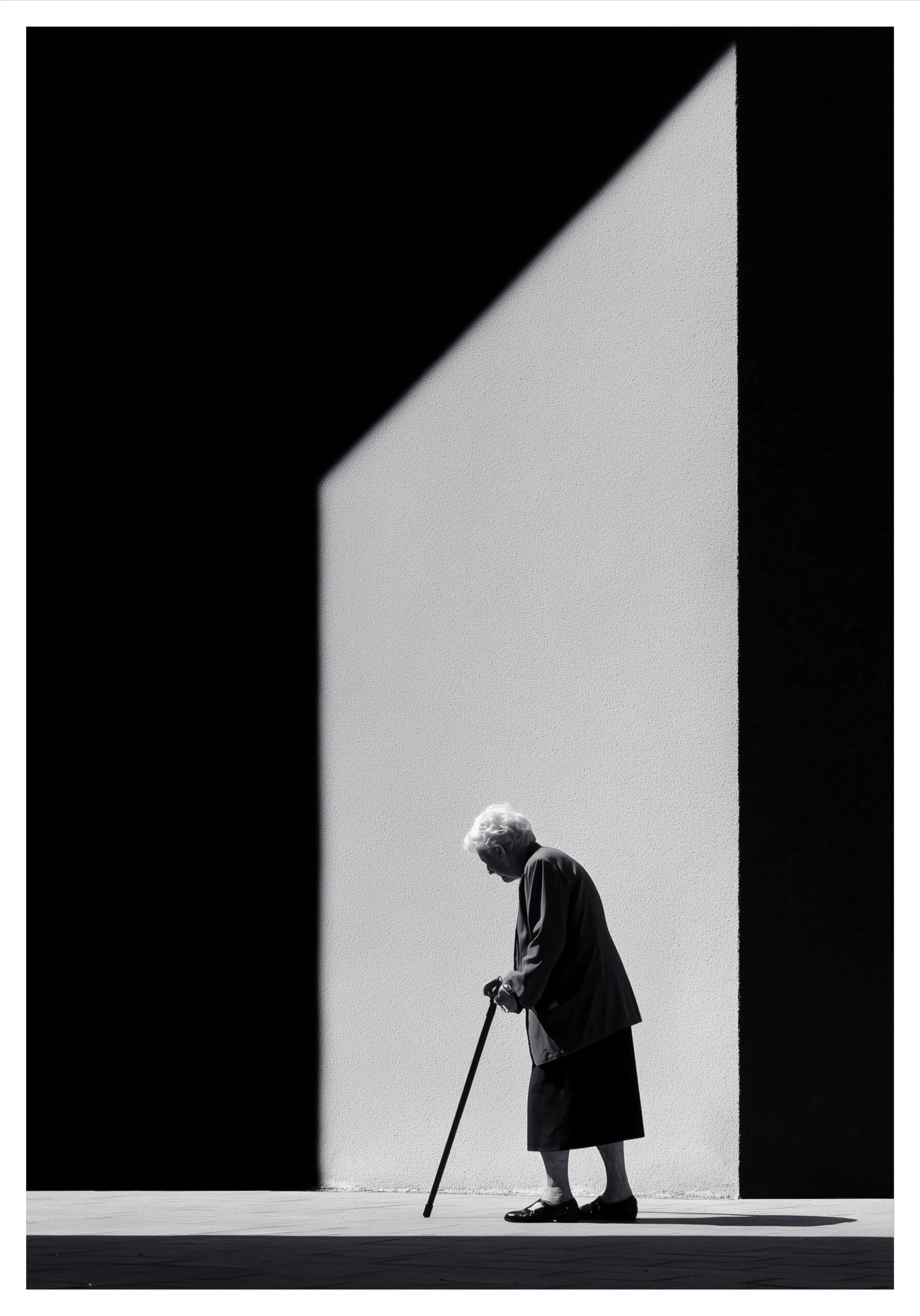
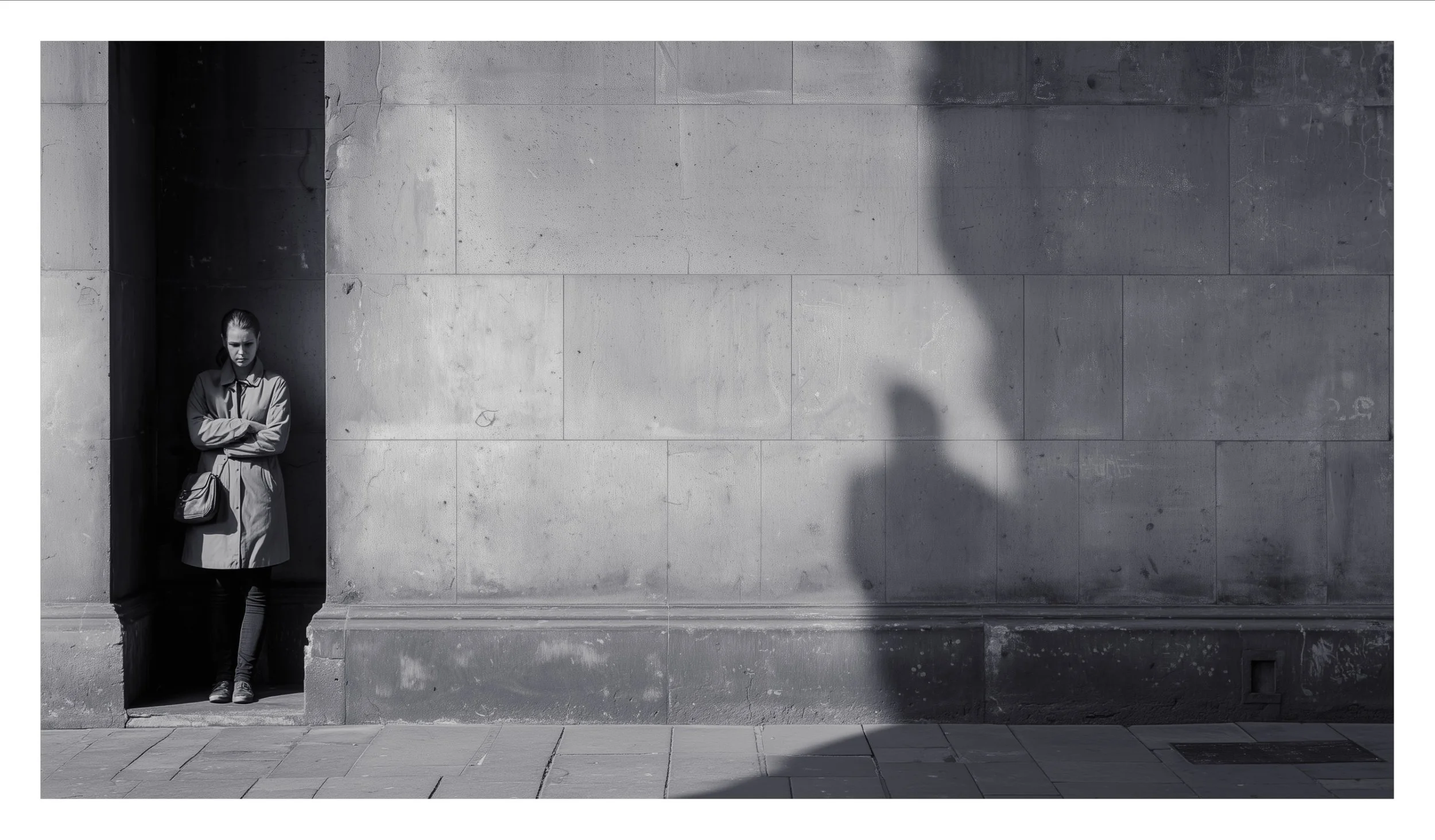
If you stay patient, the city eventually exhales. And in that exhale, something small but meaningful appears. A hand adjusting a scarf. A child pulling away from a parent. A worker leaning against a wall with the weight of the entire week in their shoulders. These slivers of life become the images that stay with me.
Why I Keep Doing It
There are easier hobbies, let’s be honest. Hobbies that don’t require miles of walking, emotional vulnerability, or near-constant rejection by reality. But street photography keeps me tethered to the world in a way nothing else does. It forces me to slow down and pay attention. It challenges me to see beauty in the unremarkable, to find meaning in the unfinished, to surrender control and still participate fully.
Most of all, it reminds me that people—strangers, neighbors, passersby—carry entire universes within them. And once in a while, if I’m lucky, I get to photograph a small piece of one.
That’s enough to keep me going. Enough to keep me watching. Enough to make me leave the house again tomorrow, curiosity in hand, ready to meet the street halfway.