Urban Creativity
Urban Creativity, Giant Murals
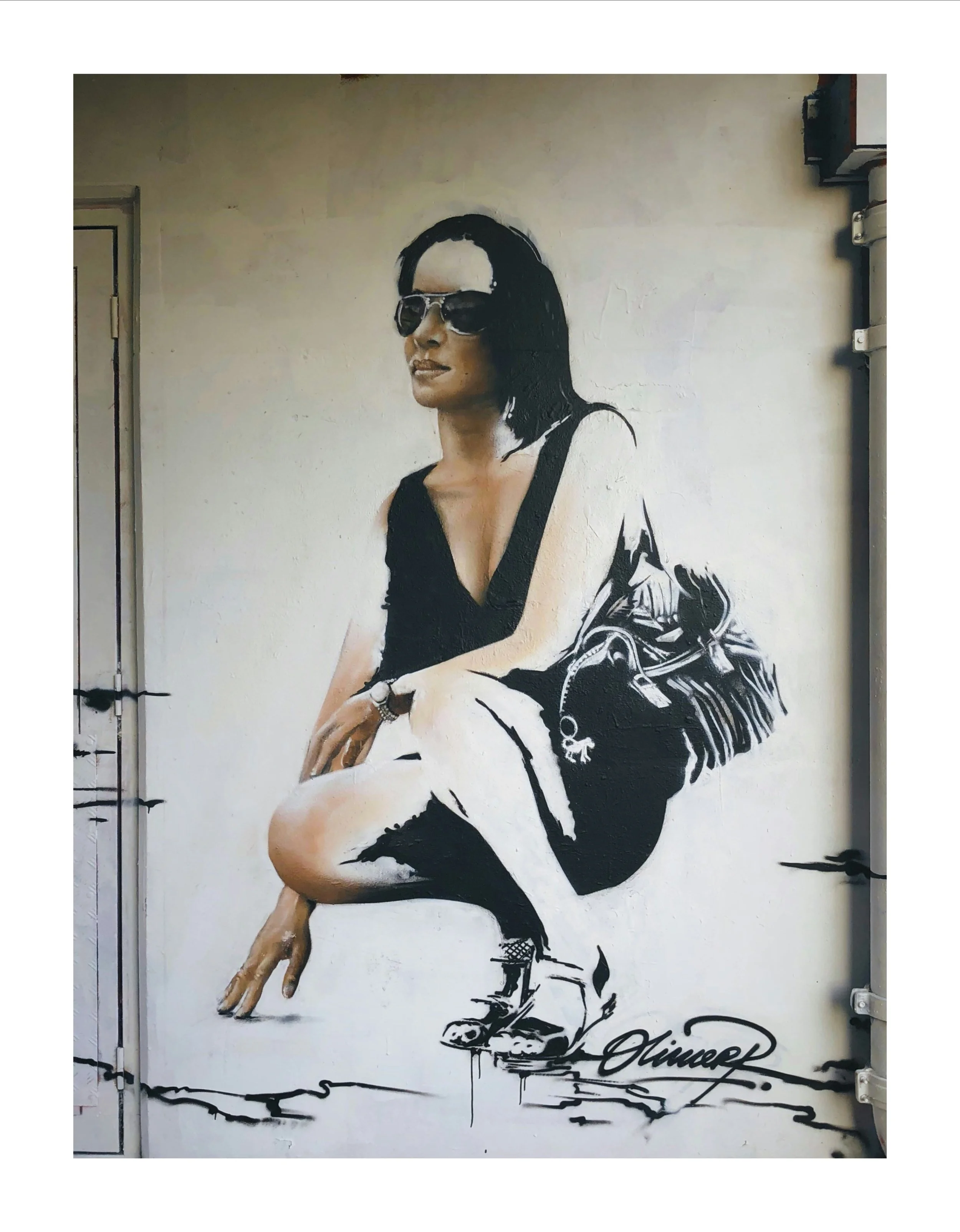
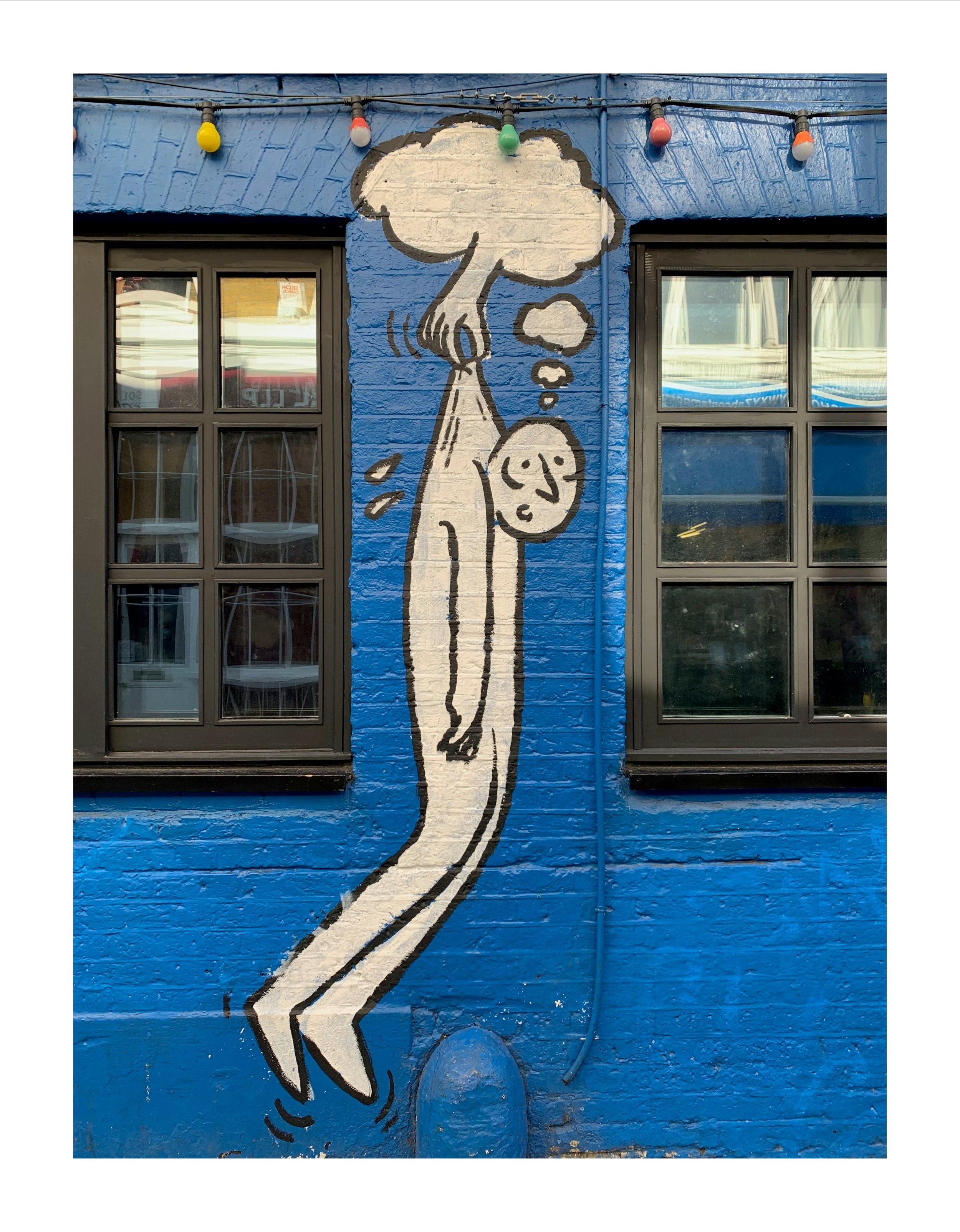
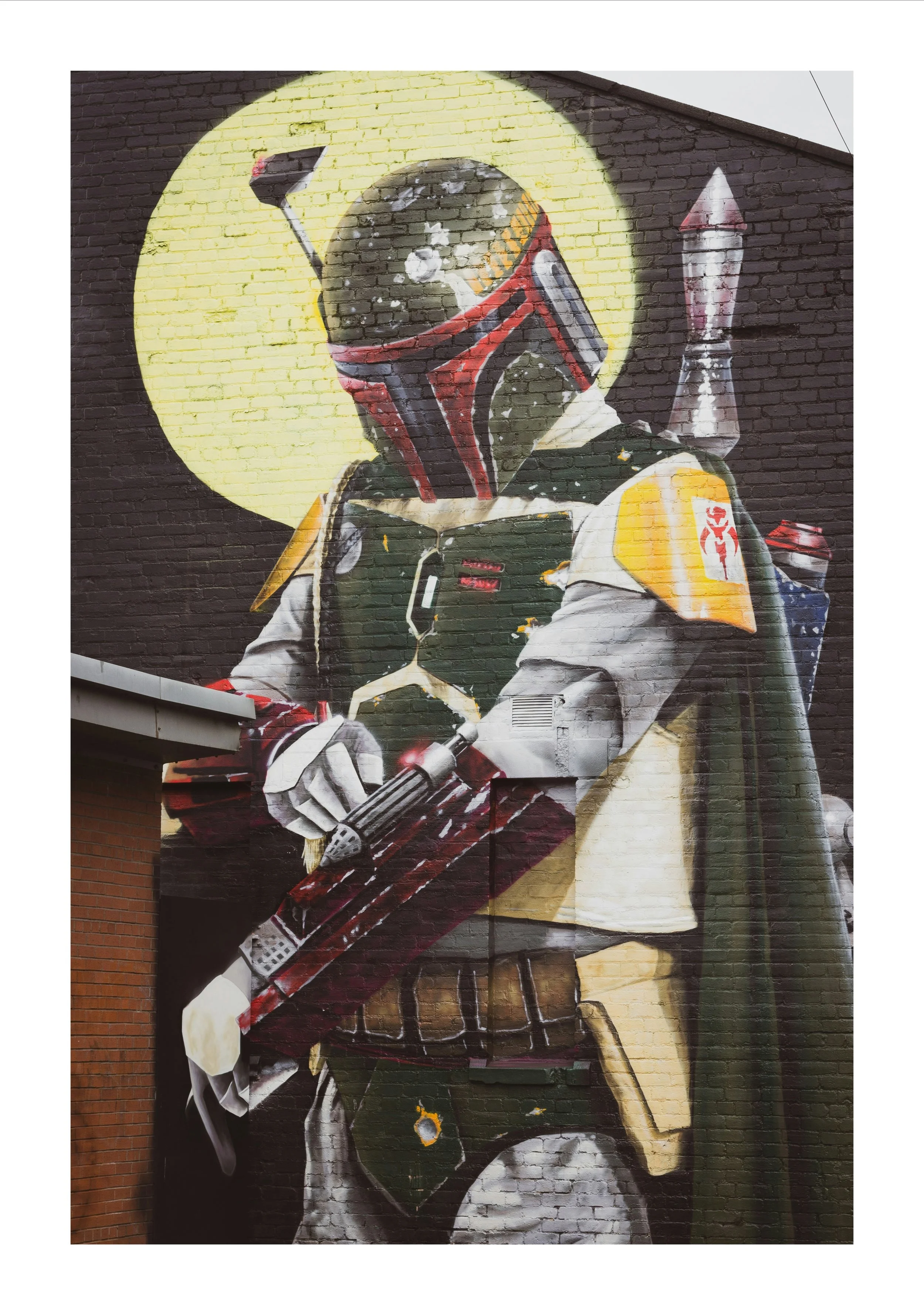
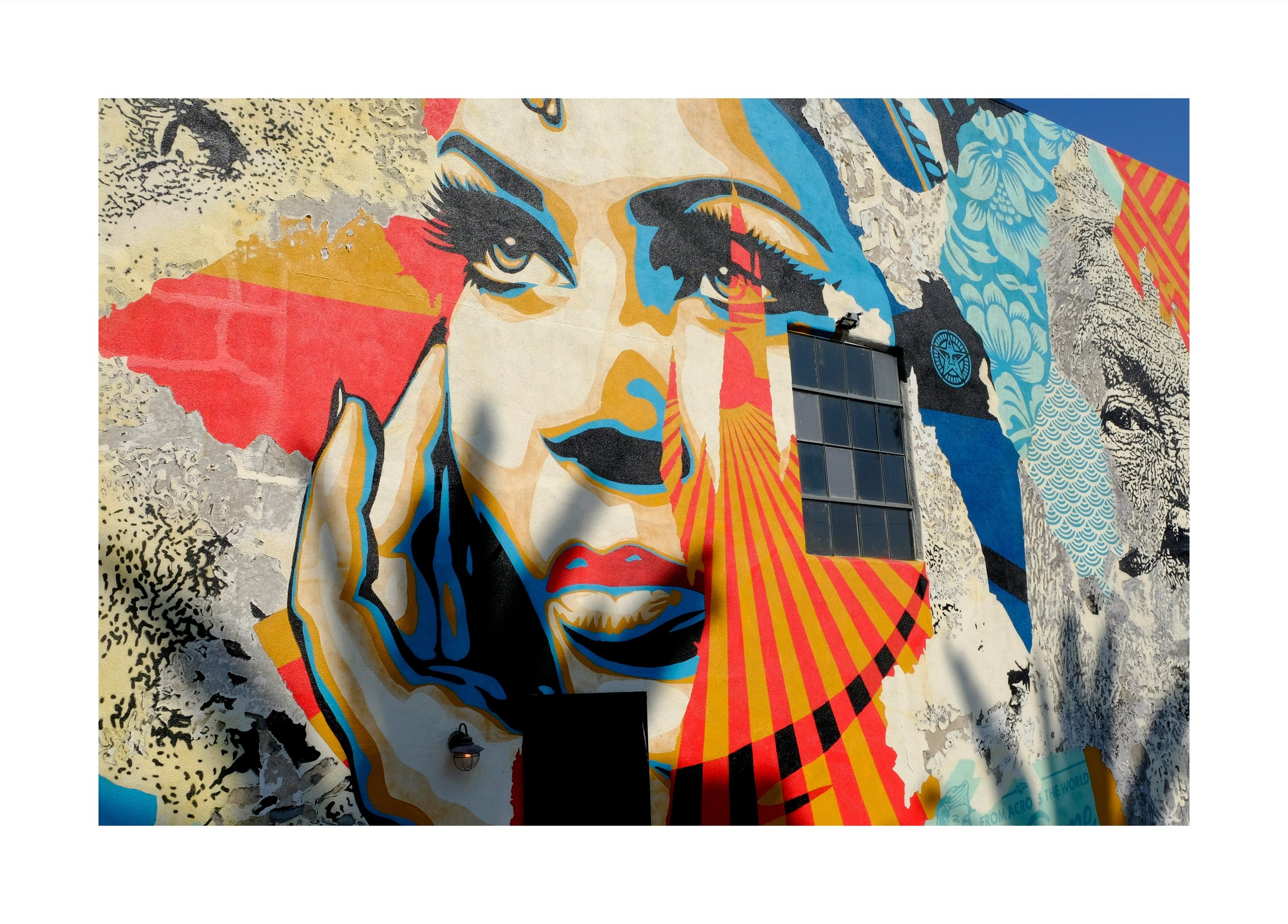
There are moments in cities when your pulse suddenly accelerates for no medically relevant reason. You’re not running, you’re not late, you’re not being chased by an electric scooter. Instead, you’ve just turned a corner and found yourself face to face with a painting the size of a small apartment building. It stares back at you. Bold. Loud. Unapologetic. And very much not trying to sell you insurance.
This is usually when I stop walking, take a step back, and do what any reasonable person would do in 2025: I reach for a fully mechanical camera loaded with film, manually set the exposure, and hope I got it right. No screen. No instant feedback. Just trust, light, and a mild sense of anachronistic stubbornness.
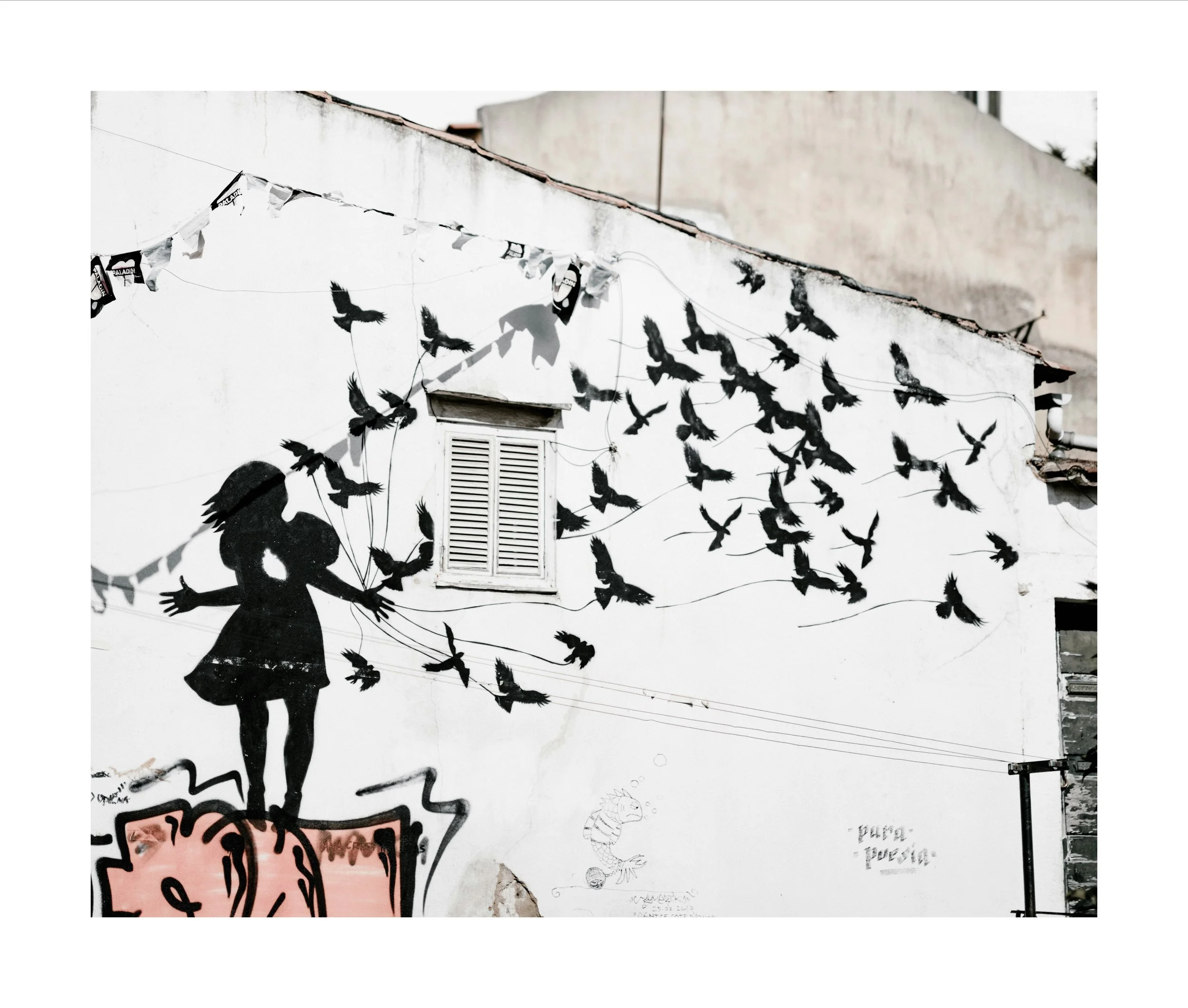
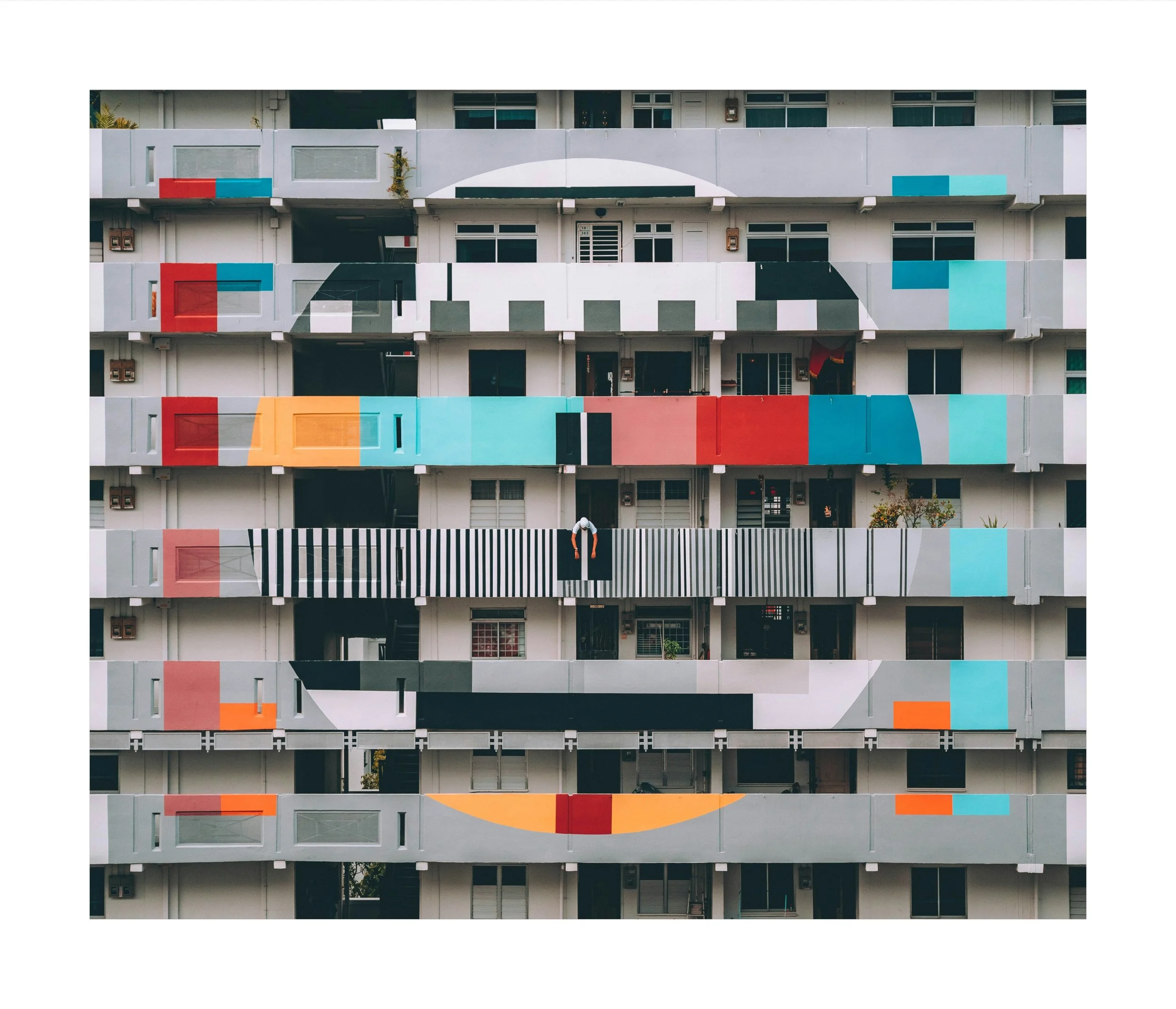
Urban creativity has that effect on people. Murals, street art, large-scale public interventions — they hijack your routine, interrupt your inner monologue, and force you into a brief but meaningful pause. Cities built from concrete, glass, and aggressively optimized advertising space suddenly breathe. And for a moment, they feel human again.
Of course, this feeling raises questions. What did I just witness? Who made this? Why here? And why does this painted wall feel more honest than the three billboards behind me promising a “new lifestyle” if I switch phone providers?
You’re not alone with these thoughts. Trust me. I’ve met them all — the street art hunters, mural trackers, accidental philosophers with cameras, and people who swear they were “just going to buy milk” before spending an hour staring at a wall. This shared curiosity is precisely why documenting urban creativity matters. Not just the art itself, but the stories, locations, and contexts that surround it.
Cities are not neutral containers. They are living systems shaped by power, money, culture, and occasionally, someone with a bucket of paint and a very clear message. Urban creativity inserts itself into this system like a well-placed typo in a corporate press release. It disrupts. It provokes. Sometimes it simply looks fantastic at golden hour.
From a planning perspective, creativity is now treated as a serious urban resource. Reports talk about cultural vitality, economic impact, placemaking, and social cohesion. UNESCO even maintains a global network of “Creative Cities,” which is a very polite way of saying: Some cities figured out that culture is not an accessory; it’s infrastructure. Street art, design, music, crafts, media arts — all of it contributes to how cities function, attract people, and tell their stories.
From my perspective, standing in front of a 20-meter mural with a light meter in hand, it mostly contributes to sore feet and the constant fear of running out of film.
There’s something deeply ironic about using analog photography to document street art. Many murals are born from immediacy — fast, reactive, sometimes illegal, often temporary. My camera, meanwhile, requires patience, intention, and an almost ceremonial process. I advance the film. I check the light. I think. Sometimes too much. Occasionally, a pigeon contributes creatively to the scene.
Yet this slowness feels appropriate. Urban creativity deserves attention, not drive-by snapshots squeezed between notifications. Film forces me to look longer. To frame deliberately. To accept imperfection. Much like the city itself.
Street art doesn’t exist in a vacuum. It speaks to its environment. A mural in Berlin is not the same as one in Lisbon, Bogotá, Mumbai, or Athens — even if they share colors, techniques, or Instagram hashtags. Local history, political tension, humor, anger, and resilience seep into the walls. Cities imprint themselves onto art, and art pushes back, gently or aggressively.
This is where documentation becomes more than visual archiving. It becomes translation. When we map murals, record artist names, and collect stories, we’re preserving fleeting moments of urban expression that might disappear tomorrow under a new layer of paint or a real estate banner announcing “Luxury Living Coming Soon.”
There is also something quietly satisfying about photographing anti-commercial art using equipment that the marketing industry has long abandoned. While algorithms optimize reach, film grain quietly refuses perfection. While branding teams chase authenticity, murals simply exist — whether liked, shared, or monetized.
And yes, the irony is not lost on me that many of these works are now tourist attractions, hashtags, and cultural capital. Cities proudly promote murals while simultaneously regulating the spaces where they emerge. Rebellion, it turns out, looks great on postcards. Urban creativity constantly negotiates this tension — between resistance and recognition, spontaneity and institutional embrace.
The role of street art hunters, documentarians, and slightly obsessed photographers is not to resolve this contradiction, but to observe it honestly. To show where creativity flourishes, where it struggles, and how it adapts. To acknowledge that a painted wall can be both a political statement and a perfect background for someone’s new sneakers.
When I photograph these works, I’m not chasing the “perfect shot.” I’m chasing context. Cracks in the wall. Faded tags underneath. Traffic signs awkwardly interrupting composition. People walking past without looking. Others stopping completely. Cities reveal themselves in these details.
Urban creativity, at its best, doesn’t shout instructions. It asks questions. It invites reflection. It creates small moments of friction in environments designed for efficiency. It reminds us that cities are not finished products — they are ongoing conversations.
So yes, I will continue wandering through cities with cameras that don’t need charging, documenting art that may not exist tomorrow. I will continue trusting light meters over algorithms. And I will continue stopping mid-stride when a wall demands it.
Because in a world optimized for speed, attention is a radical act. And sometimes, the most reasonable response to a giant mural is simply to stop, look, and let it sink in — one frame at a time.