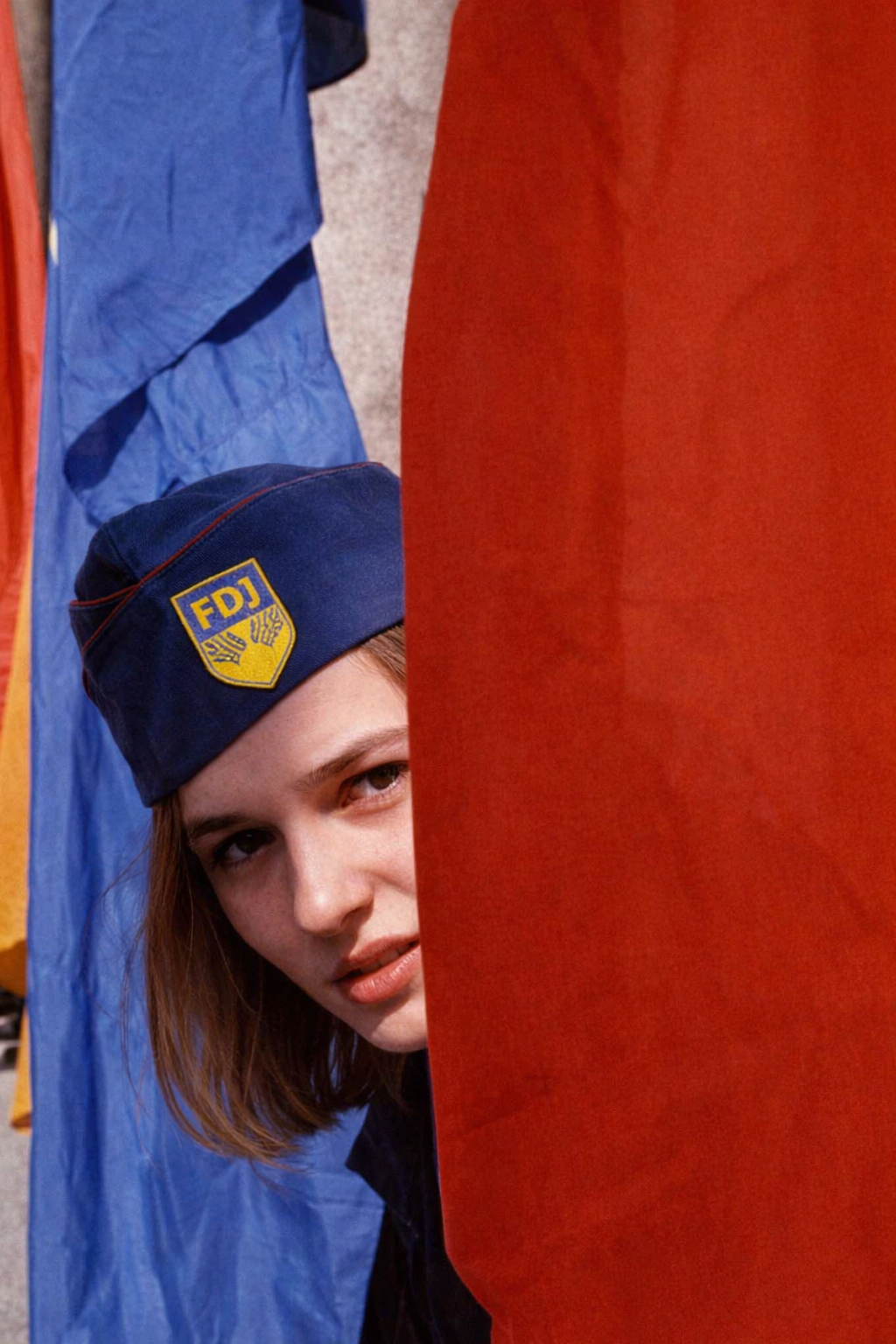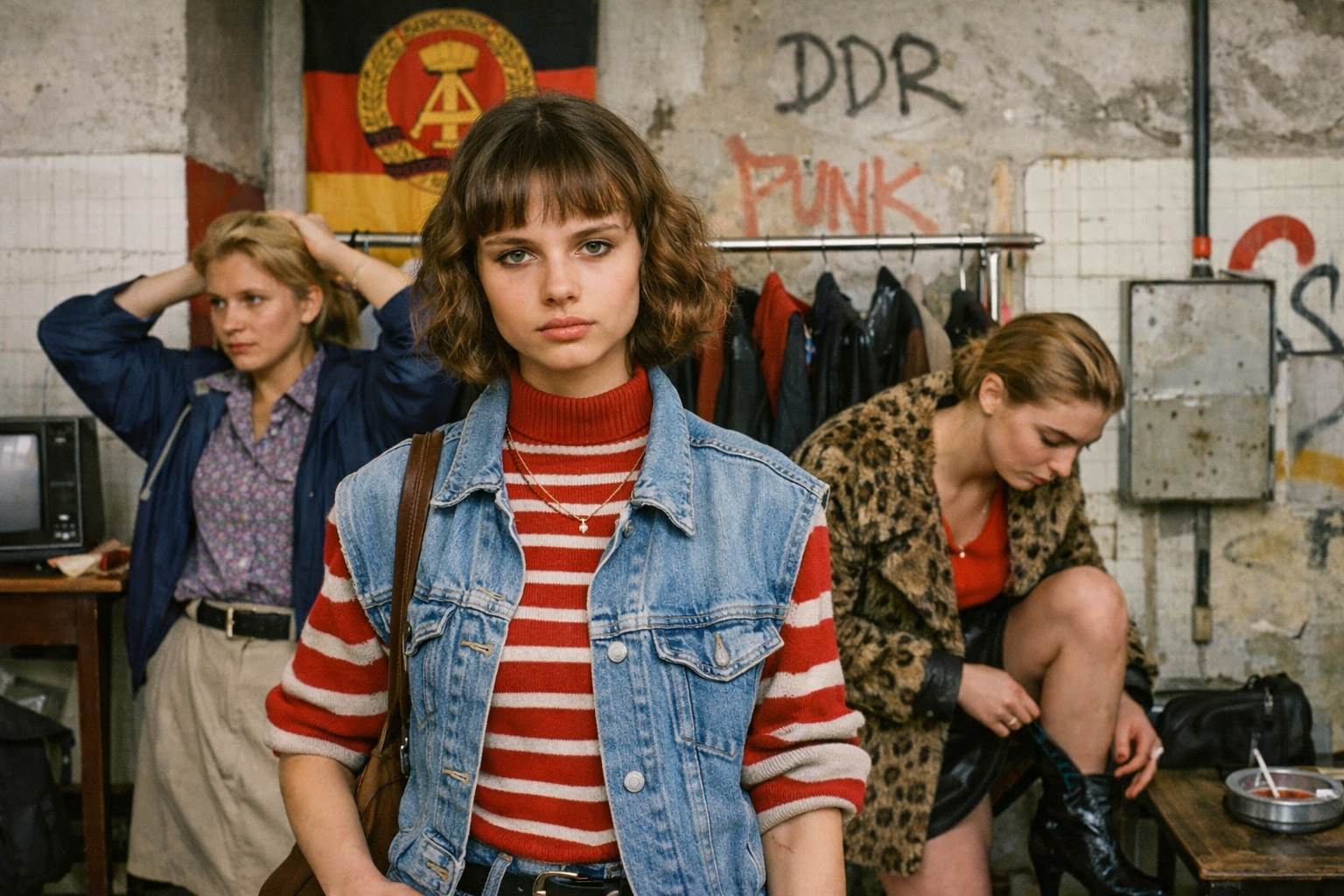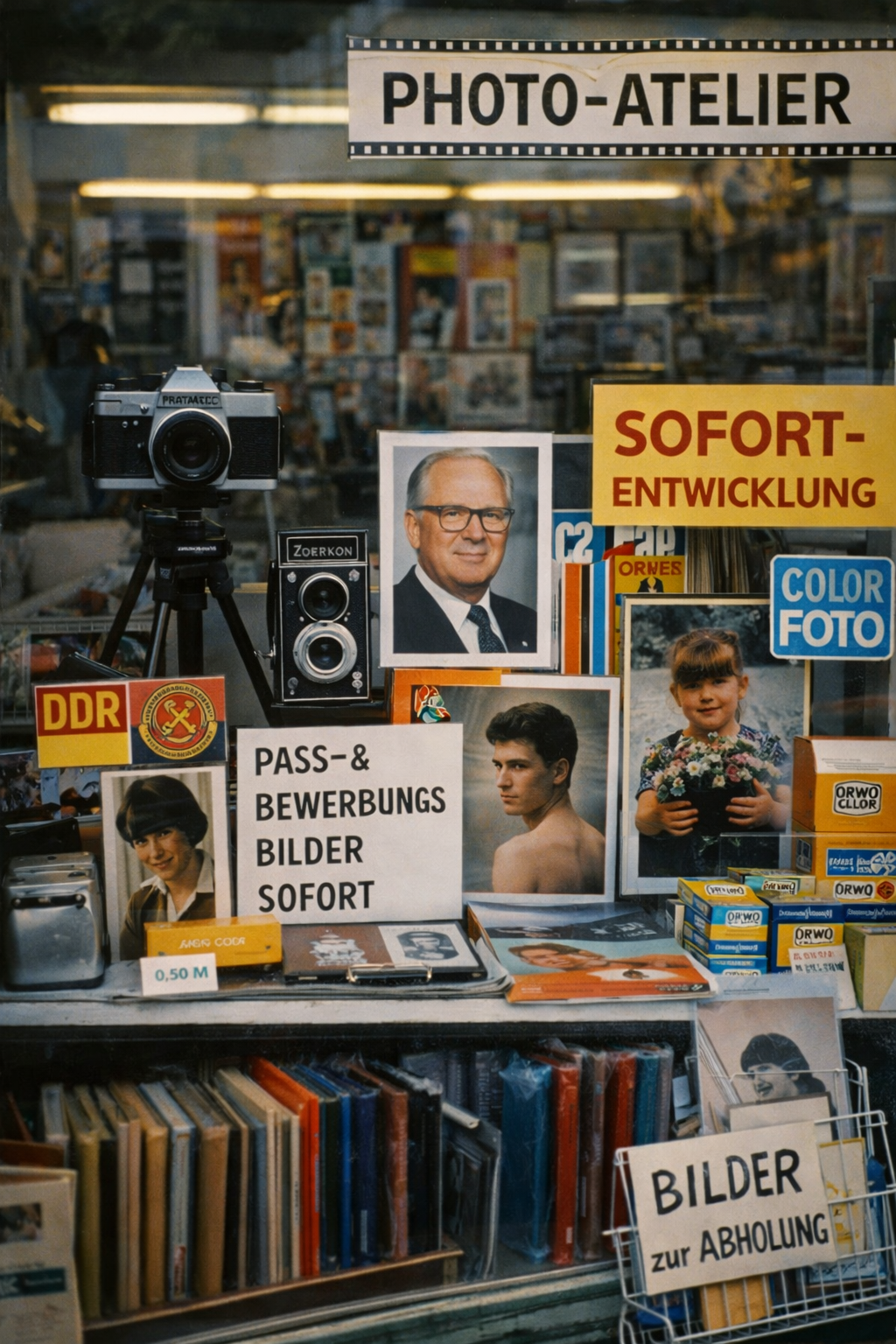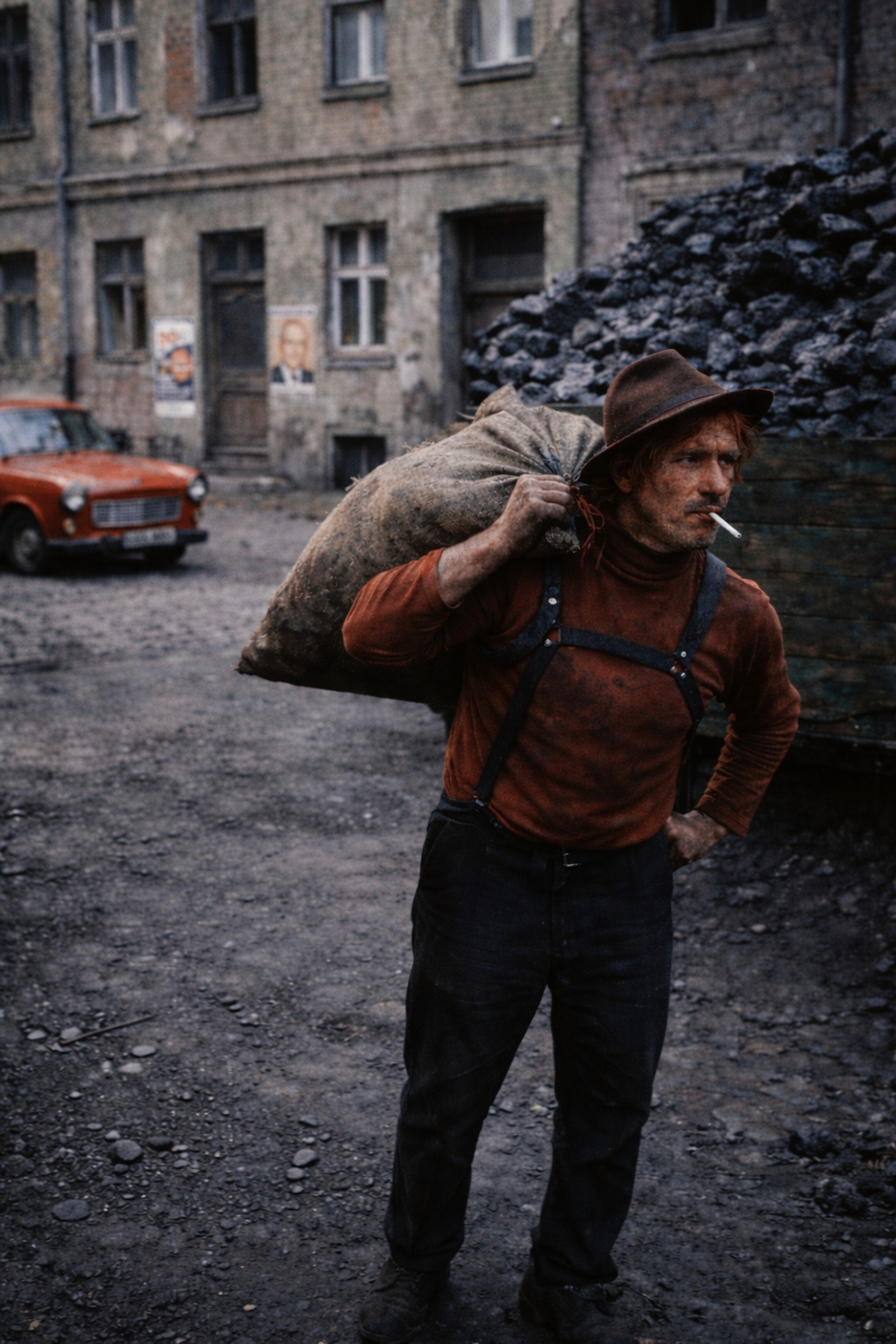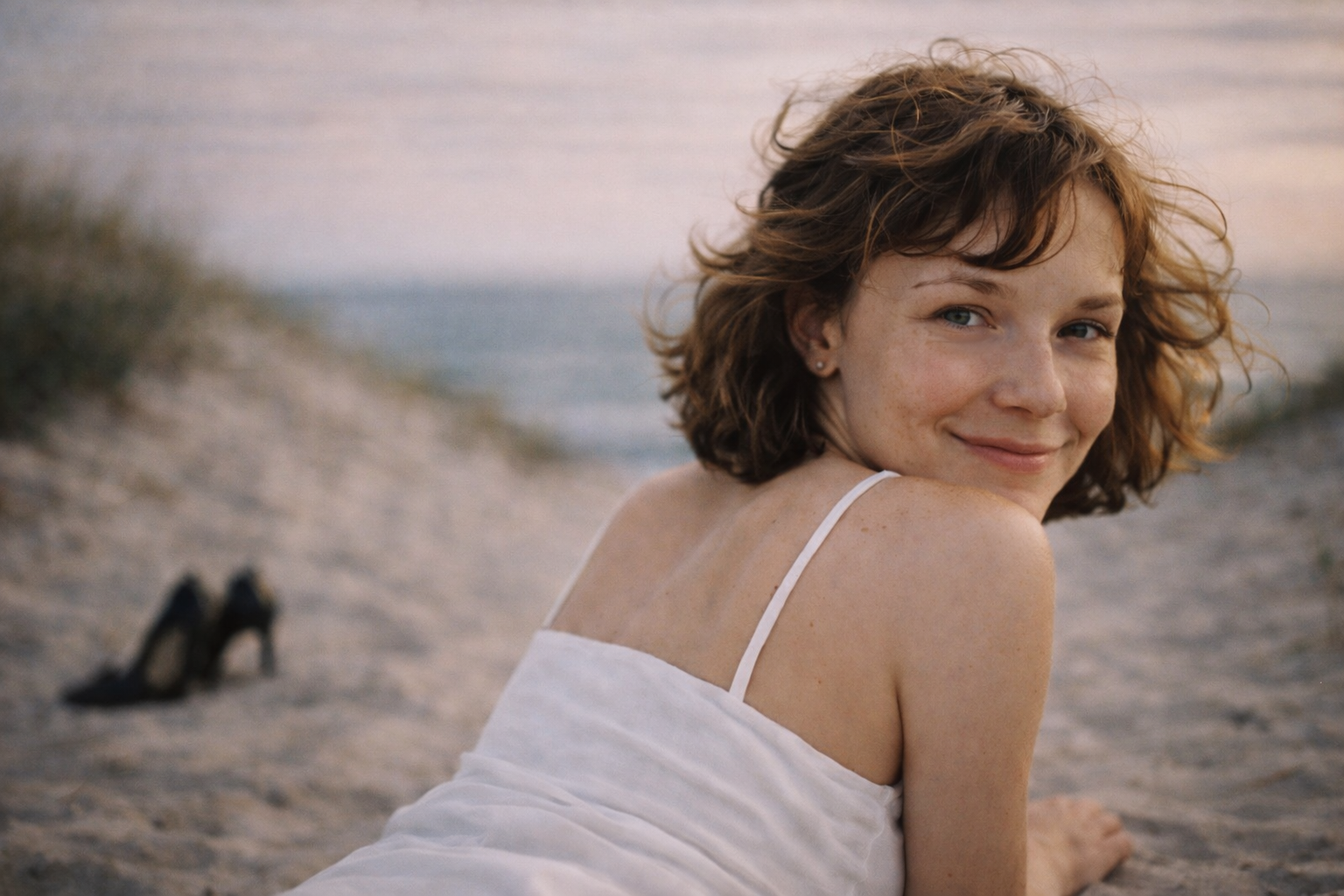
GDR 1982 to 84
The GDR – as seen in (1982–1984)
I arrived in East Berlin in the late autumn of 1982, when the sky seemed permanently sealed with a lid of exhaust-grey clouds and the entire city exhaled a patient, resigned breath. The Permanent Mission of Germany stood like a stubborn piece of misplaced architecture, a rectangular reminder that somewhere beyond this checkpointed reality lay a country that functioned differently. I was meant to behave with quiet professionalism, to move with diplomatic modesty, and above all, not to attract attention.
Then I brought my BMW K1000 motorcycle.
The engine alone eliminated discretion as an option. Each morning it shattered the silence of Hannoversche Straße with mechanical confidence, reverberating through courtyards where laundry froze in the wind. The locals turned to look—not out of admiration, but out of the bewildered curiosity reserved for exotic animals that somehow escaped their cages.
Still, I rode it everywhere. Riding through the east felt like cracking open a window in a stale room. Bureaucracy vanished behind me as soon as the machine warmed under my hands. Wherever I went—Prenzlau, Wismar, Stralsund—people regarded me with measured amusement, like I was a rumor made flesh.
One old man in Rostock studied the motorcycle with the concentration of a museum curator.
“You don’t live here,” he finally concluded.
“That obvious?”
He nodded. “Nobody here rides something so honest about being free.”
Diplomacy offered me a strange double life. Mornings were filled with stiff protocol, the rustle of paper, and stale coffee served in chipped cups. Evenings belonged to the road, to the endless stretches of flat landscape, to places not listed on official travel sheets. And one warm summer afternoon, to a coastal hotel on the island of Usedom.
It was there that I met Anja.
She stood behind the reception desk wearing an expression that balanced duty with a barely concealed private amusement. The hotel lobby smelled of disinfectant, Baltic salt, and the leftover optimism of faded socialist travel posters. Anja looked at my passport, then at the helmet in my hand, and allowed herself half a smile.
“You’re from the Mission,” she said, as if this were a medical condition.
“I hope it’s not contagious,” I replied.
“It is,” she said, “but we’ve learned to live with it.”
She slid a room key across the counter, then added, almost casually:
“You have a camera with you, don’t you? People like you always do.”
That was her way of inviting me into a different GDR, one not printed in any brochure. And it was also how she became, over the following weeks, the unofficial model of a man who had no business taking photographs beyond the diplomatic sphere.
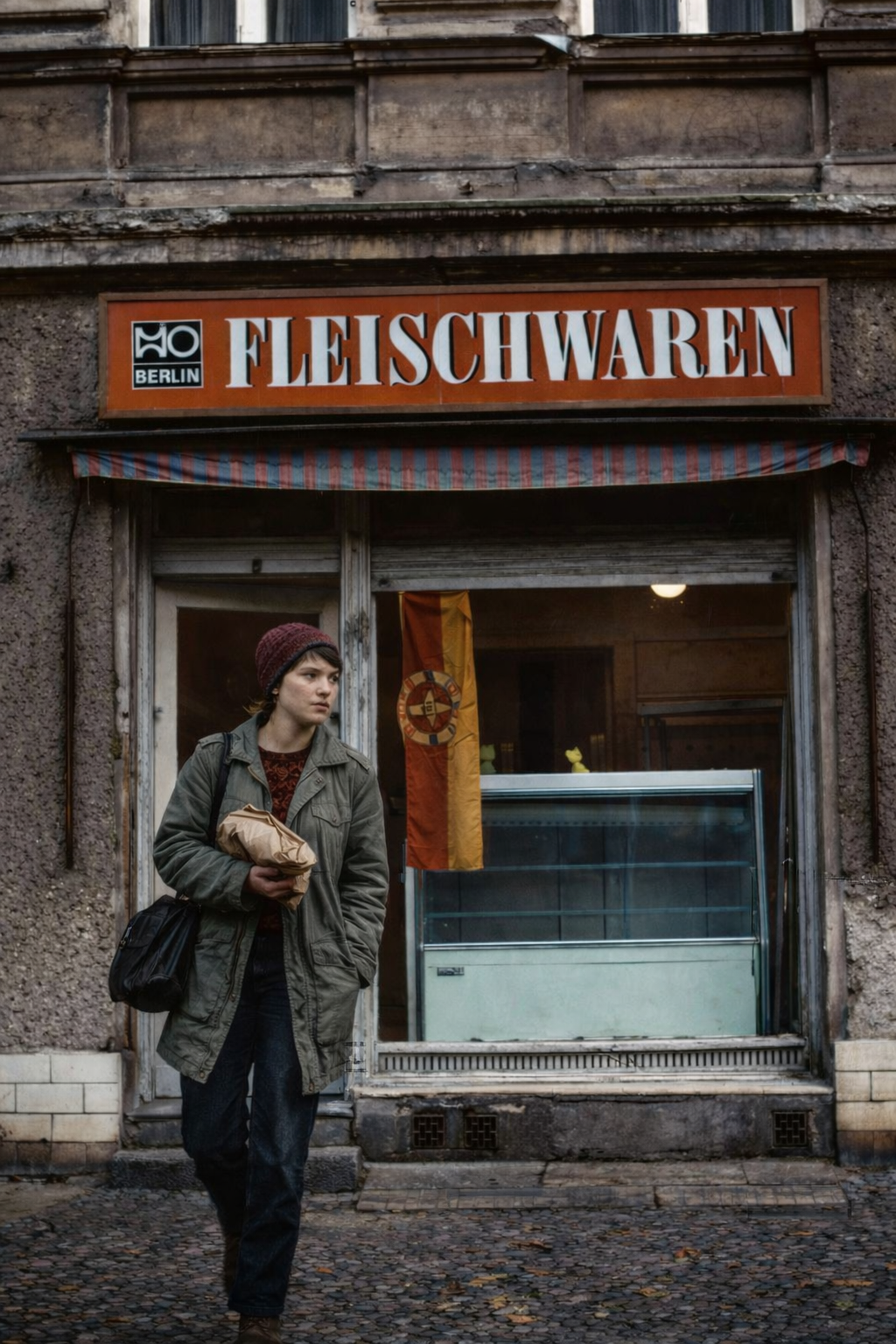
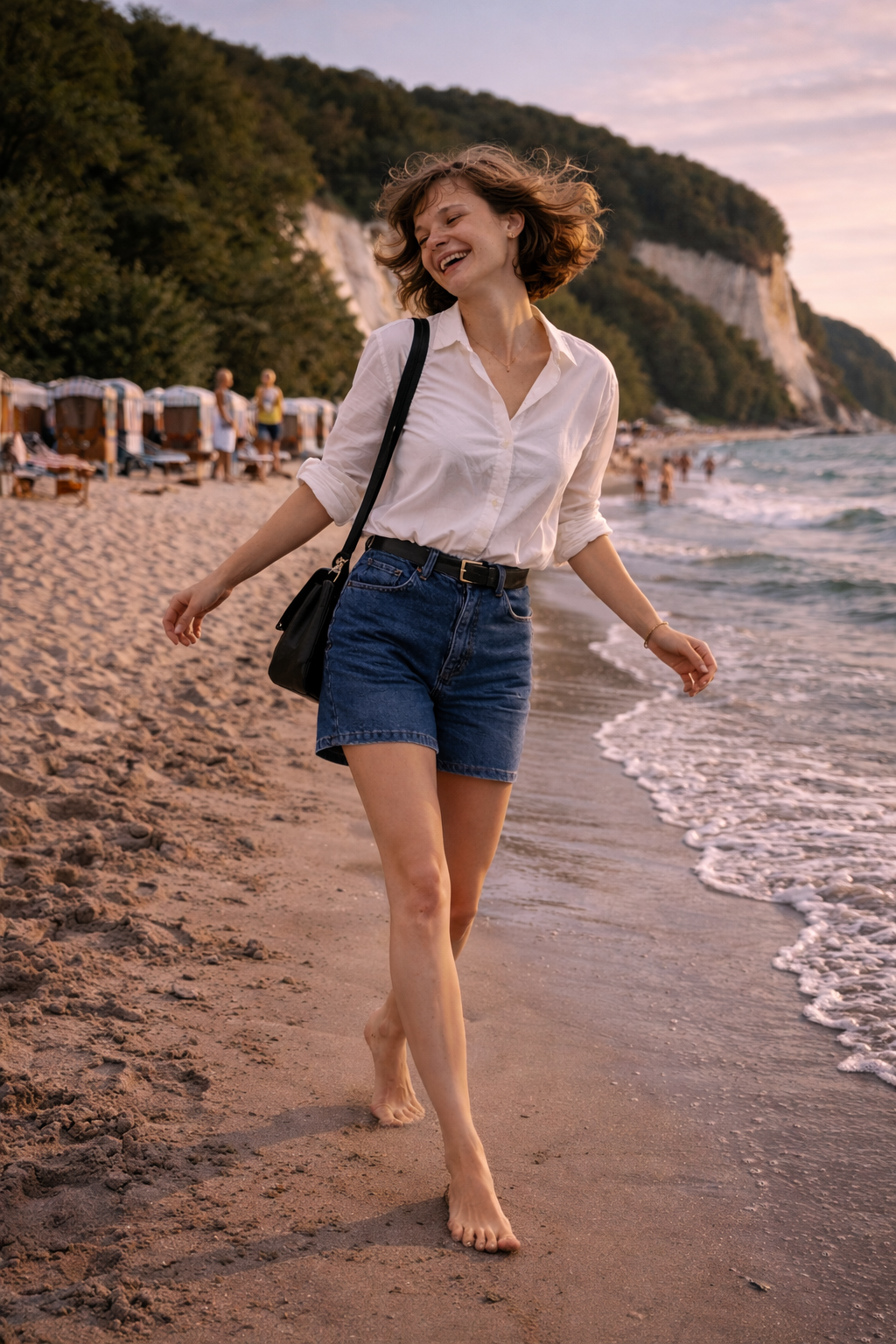
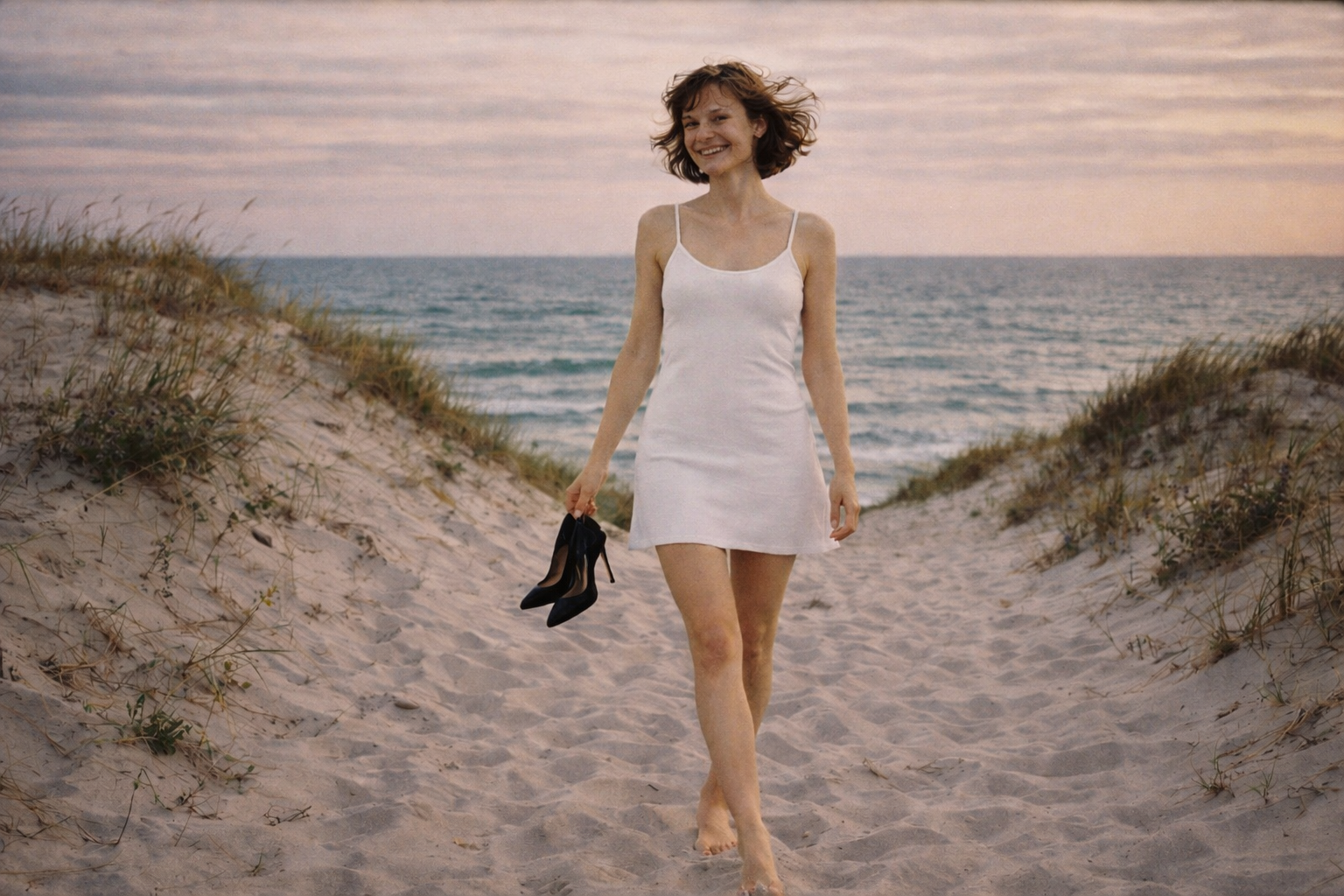
Anja moved in front of a lens as if she had always belonged there. Not theatrically, but with the unstudied poise of someone who had learned to live in contradictions. On the dunes she stood barefoot, her hair tossed by the Baltic wind. She pointed out the locations that actually mattered: the abandoned coastal lookout buried in sand; the workshop where her brother welded sculptures out of discarded metal; the hidden bar that poured beer as thin as the official economic optimism.
“People in the West imagine we live in monochrome,” she told me once.
“And do you?” I asked.
“Sometimes,” she said, “but only when we forget to laugh.”
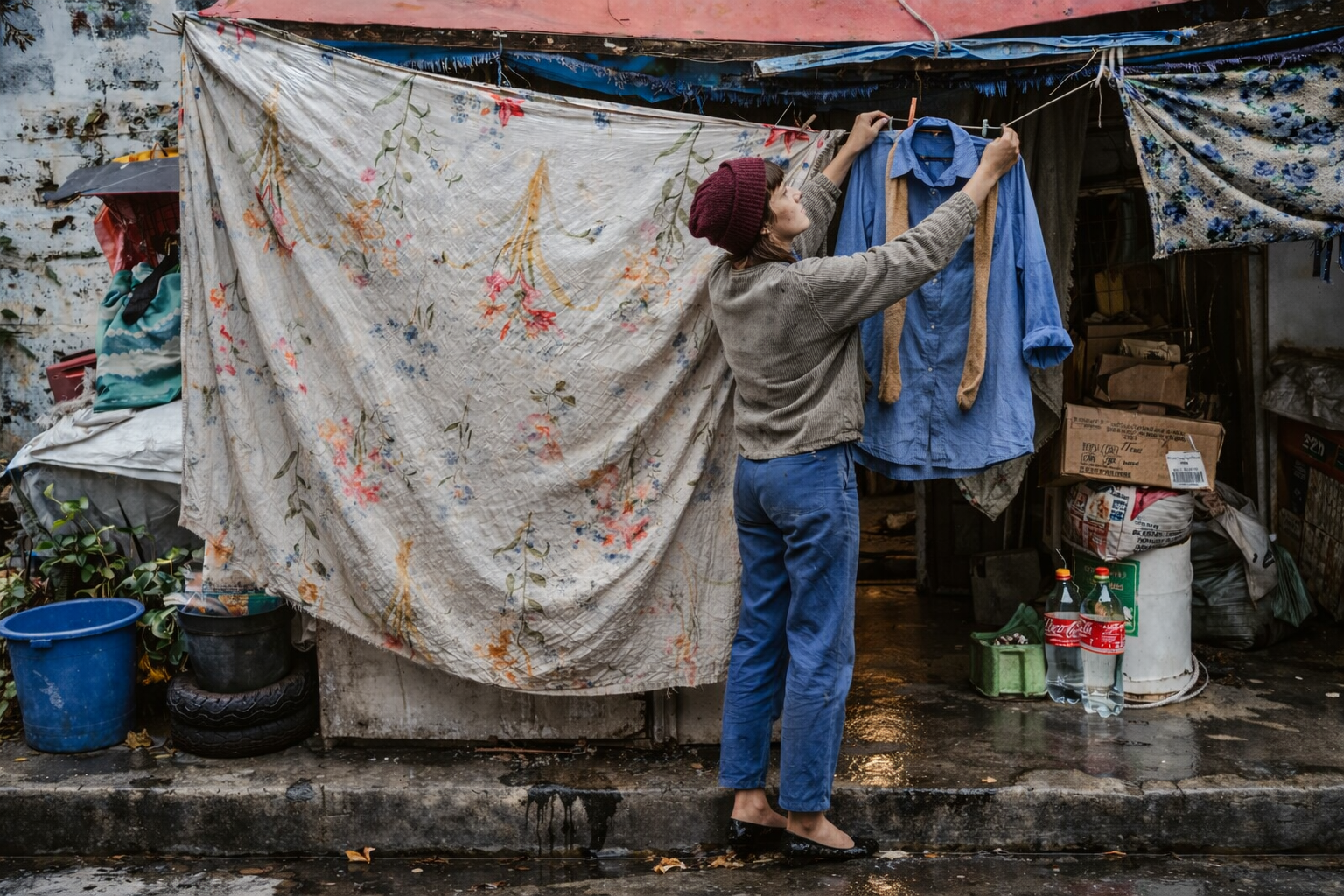
Back in East Berlin, she revealed the fragile, improvised world behind the official façade. She led me through inner courtyards where bicycles rusted next to prams; through kitchens where breakfast and politics simmered together; through basements where people brewed homemade schnapps that tasted like industrial solvent and liberation mixed in equal parts.
Life in those rooms was often worn around the edges, but it vibrated with a sharp, stubborn humor. People wisecracked with the precision of surgeons.
“Are you watched all the time?” I once asked a young man in Prenzlauer Berg.
“Only often enough,” he answered.
The BMW continued to cause complications. Border police inspected it with a reverence usually reserved for suspicious artifacts. A particularly zealous officer in Mecklenburg marched three circles around it before announcing:
“This vehicle does not belong here.”
I shrugged. “Neither do I, I suppose.”
Anja laughed when I told her.
“You and your motorcycle,” she said. “You’re the loudest thing in the quietest country.”
As the months passed, I became less of a diplomat and more of a witness—someone allowed to travel between worlds without truly belonging to either. Anja was the unintentional translator of this experience: she explained jokes that couldn’t be printed, introduced me to people who lived entirely outside official narratives, and modeled for me in places where cameras weren’t meant to be used.
She had a way of standing still that made the landscape reorganize itself around her. In the dunes she looked like a rebellion softened by sunlight. In East Berlin courtyards she became the tender defiance of ordinary life. She never asked for prints, never asked why I photographed her.
“For later,” she only said. “When everything looks different.”
In the spring of 1984, I was told my assignment would end. On my last weekend I rode north again, the BMW humming like it remembered every mile. The hotel lobby was as I’d left it—slightly too bright, slightly too empty. Anja was waiting outside, the sea wind tugging at her sleeves.
“I suppose this is goodbye,” she said.
“I suppose so.”
“You’ll keep the pictures?”
“Of course.”
“Good,” she said. “Then we won’t have to be sentimental.”
We walked along the shore. No dramatic music, no grand declarations, only the rhythm of waves and the quiet understanding that the world was about to rearrange itself without consulting either of us.
“Thank you,” I finally said. “For showing me what East Germany really looks like.”
She smiled.
“You saw only a fraction. But it was the right fraction.”
The negatives survived the years—slightly dusty, but intact. When I look at them now, the GDR is neither grey nor hopeless. It is complex. Human. Improvised. Full of people who stretched against limitations the way flowers push through cracks in pavement.
And there is Anja in the photographs:
standing barefoot in the dunes,
leaning against a wall in Friedrichshain,
laughing off-camera in a café no longer there.
A reminder that even in a divided world, someone is always willing to show you the parts worth remembering.