Singapore adventure
Singapore was an absolute blast. The kind of city that looks like it ironed its shirt, polished its shoes, and probably filed its taxes before you even landed. Meanwhile, you arrive already slightly melted, trying to look composed while your camera strap slowly fuses with your shoulder. Still, the city is kind enough not to judge. Outwardly.
For street photography, this is both a dream and a mild existential crisis. Everything works. Too well. Clean lines, perfect backgrounds, architecture that behaves. It’s almost suspicious. The real challenge is not taking the obvious photo. Anyone can shoot a perfect building. The trick is to wait until something human wanders in and messes it up just enough to make it interesting again.
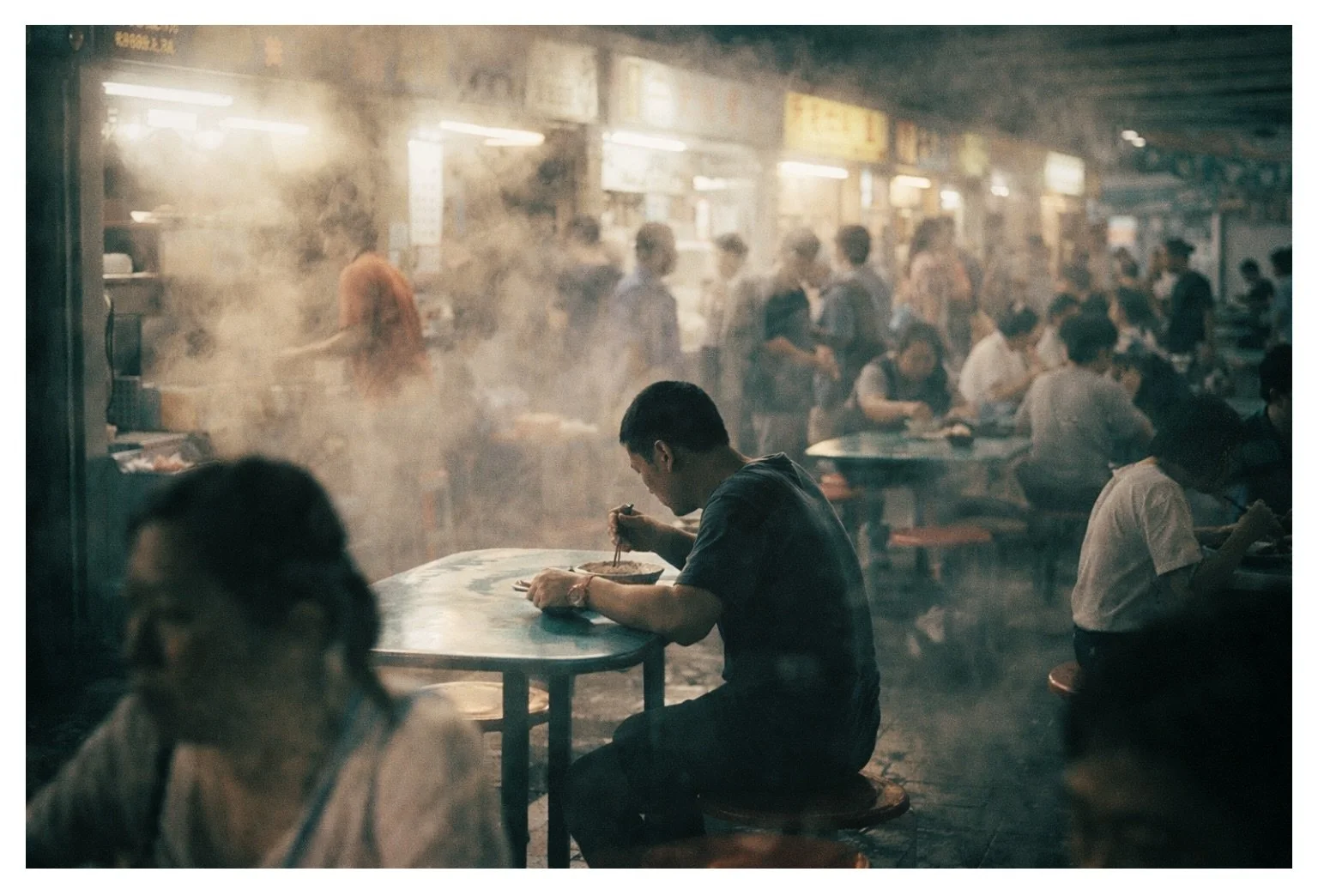
Hawker stalls are non-negotiable. The food is absurdly good and, officially, protected by UNESCO. Which means your lunch now carries more cultural weight than your entire portfolio. Slightly humbling. Photographically, though, it’s heaven: steam rising like stage fog, fluorescent lights doing questionable things to skin tones, people eating with the kind of focus usually reserved for religious rituals. Shoot tight. Hands, textures, small movements. Forget dignity, embrace noodles.
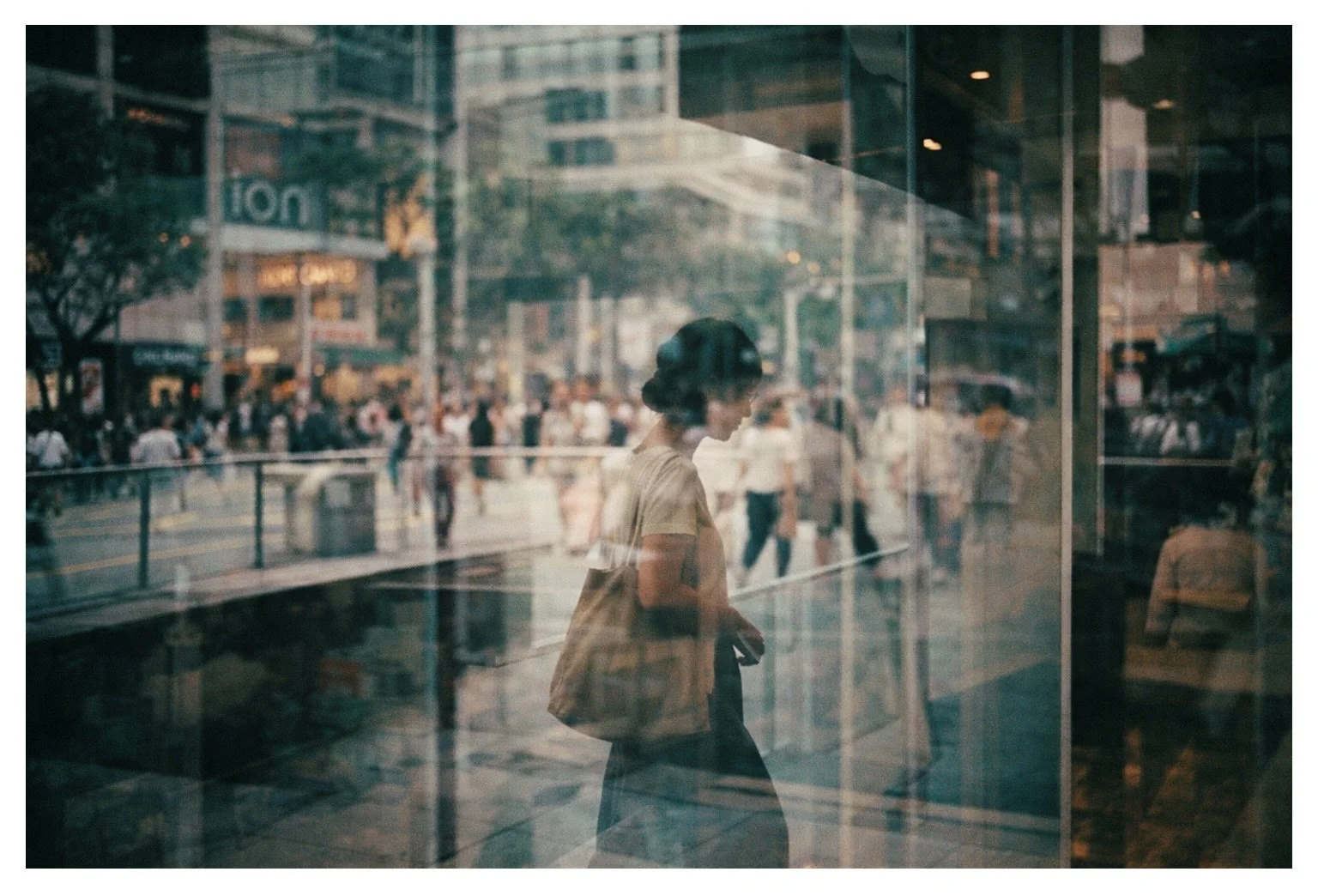
Walking through Singapore feels like someone couldn’t decide on a time period and just kept all of them. Colonial buildings politely coexist with glass towers that look like they were designed by an overachieving algorithm. It shouldn’t work, but it does. Use reflections. Use layers. There’s glass everywhere. At some point you start photographing reflections of reflections and calling it conceptual.
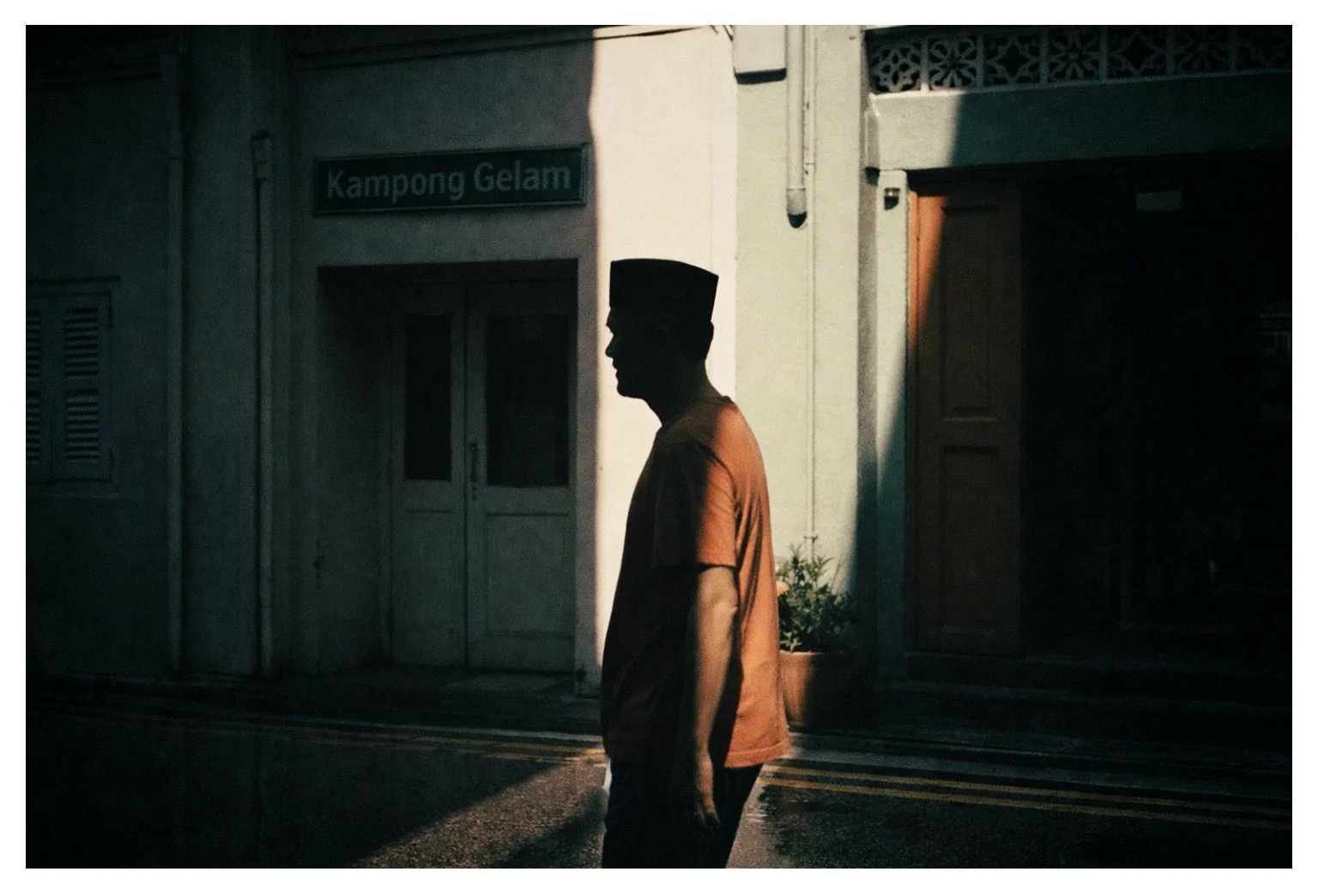
The city’s origin story involves a prince, a lion that may or may not have existed, and a strong early commitment to branding. Later, Raffles came in and organized everything neatly, which today feels like a gift to photographers. Districts with distinct personalities. Little India, Kampong Gelam, Chinatown. It’s almost too convenient. Like the city wants you to succeed.
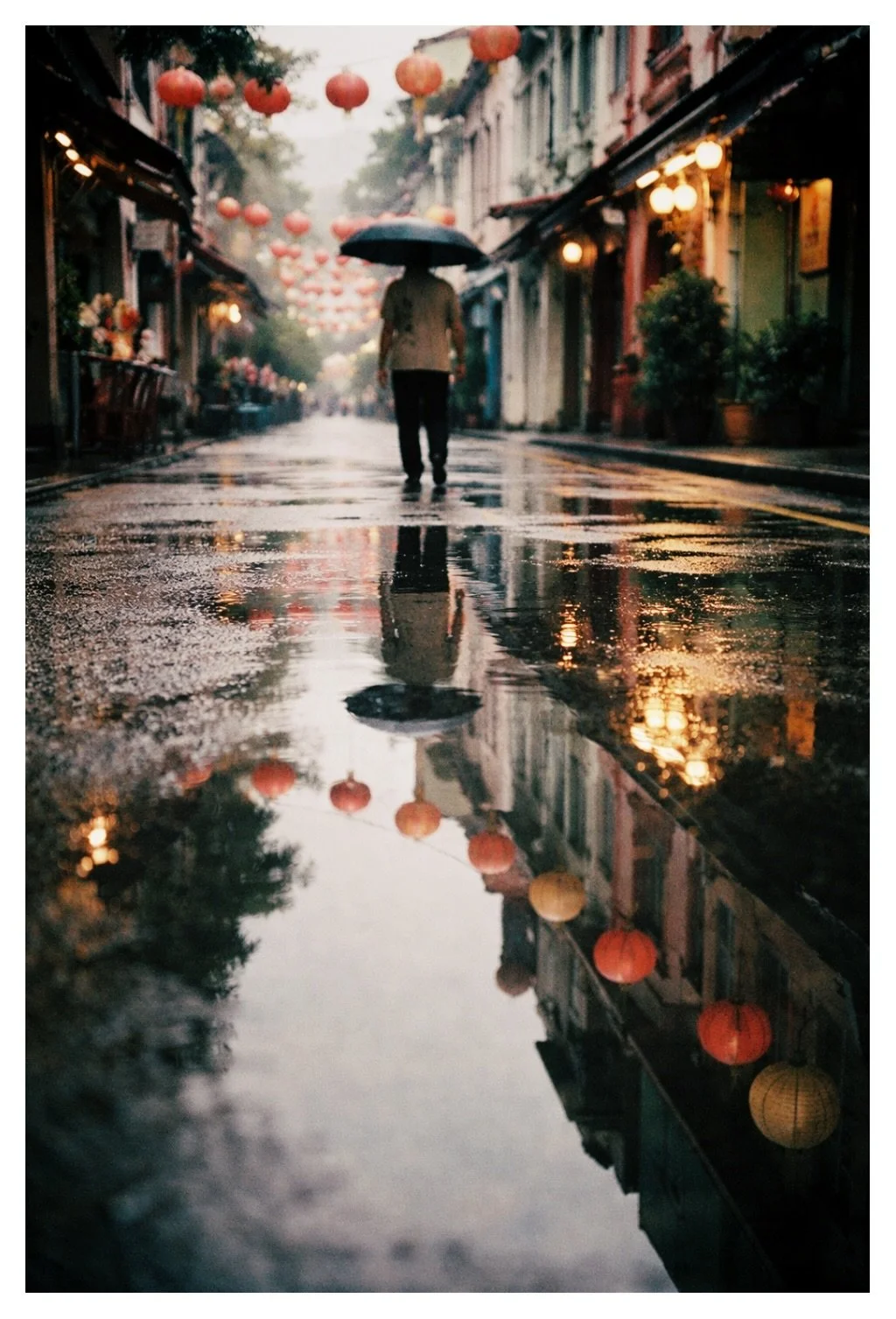
Little India hits you with color and density. Your camera doesn’t know where to look first, so you just point it at everything and hope for the best. Kampong Gelam slows things down. Suddenly you’re composing again, pretending you always intended to be this thoughtful. Chinatown is controlled chaos. The classic move: find a frame, stand still, and wait. Eventually someone walks into it and saves you from having to be creative.
Orchard Road in the morning feels like observing a well-funded performance. Everything moves efficiently, slightly too fast, slightly too polished. You’re tempted to shoot immediately, but restraint pays off. Or at least that’s what you tell yourself while pretending you’re being intentional.
Gardens by the Bay is where things get mildly ridiculous in the best possible way. Trees that are not trees, a Cloud Forest that suggests weather can be curated. It’s tempting to go full dramatic, but the better shots are quieter. Small people inside very large ideas. Scale does the work for you.
By noon, Chinatown becomes a rhythm. Markets, temples, food centres. This is where you stop trying so hard. Stand still. Let the scene assemble itself. Light bounces, people move, something eventually aligns. You take the photo and act like you planned it all along.
Raffles Hotel arrives with the quiet confidence of someone who has never had to explain themselves. The Singapore Sling tastes like history, sugar, and excellent branding. You photograph details, textures, maybe a glass. Mostly you absorb the atmosphere and try not to spill anything expensive.
Marina Bay Sands in the evening looks slightly absurd and entirely impressive. The skyline is almost offensively perfect. So don’t photograph it. Photograph the people photographing it. That’s where the honesty is. Reflections, silhouettes, small moments of distraction in front of something very big.
Katong-Joo Chiat feels like the city took a breath. Pastel houses, softer light, a slower rhythm. You stop chasing spectacle and start noticing color again. It’s almost relaxing. Almost.
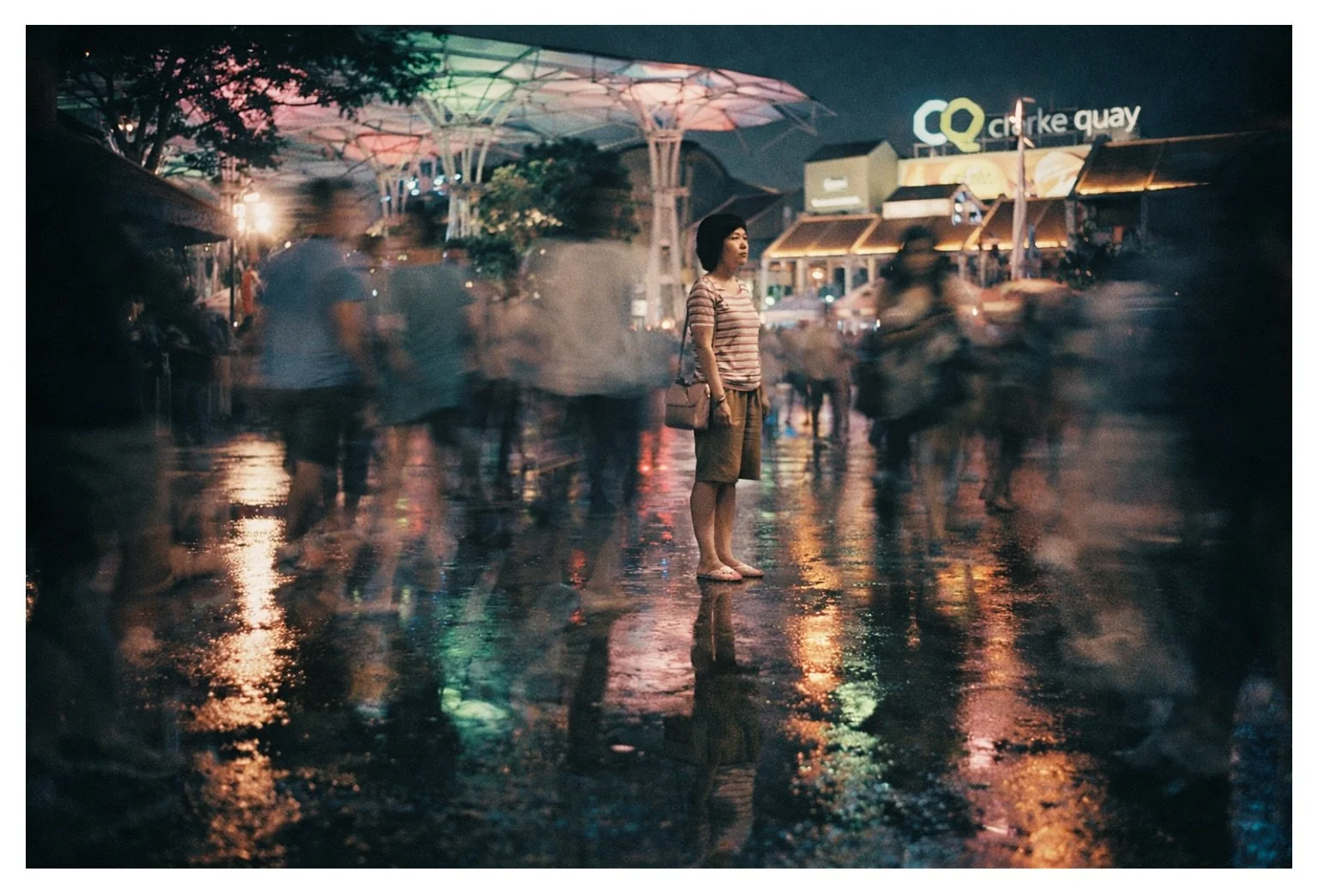
Clarke Quay, on the other hand, has no interest in calm. Lights, music, movement. Everything happening at once. This is where you embrace motion. Slow shutter, controlled chaos, one sharp subject if you’re lucky. If not, call it artistic and move on.
The river cruise does exactly what you expect, but it gives you distance. Perspective. The illusion of understanding a place because you saw it from the water. Works every time.
Atlas ends the night with quiet authority. You sit a little straighter without knowing why. Everything is deliberate, from the lighting to the way drinks are served. You briefly consider becoming the kind of person who belongs here, then remember you’re carrying a camera and mild sun exhaustion.
In the end, Singapore isn’t overwhelming. It’s controlled. Precise. Slightly too perfect at times. Every street feels designed, every moment curated.
Which means your job isn’t to document what’s already perfect.
It’s to wait for the brief, accidental moment when it isn’t.