Invisible because of the …
There comes a point in every photographer’s life when they must confront an uncomfortable truth: sometimes the best camera is not the one with magnesium alloy construction, weather sealing, seventeen customizable buttons, and a lens the size of a medieval cannon. Sometimes it is the rectangle in your pocket that also contains grocery lists, weather alerts, and messages from people asking where you are.
I know. It feels vulgar.
For years, many of us built identities around carrying “serious cameras.” We walked through cities draped in straps, dangling lenses, and mild superiority. We liked the weight of equipment because it felt like commitment. If a camera bag could slightly damage your spine, surely art must follow.
Then came the phone.
At first, we mocked it. We said things like, “Yes, but the sensor…” or “You simply cannot replicate the rendering of proper glass.” This was usually spoken while missing a picture because we were changing lenses in public like a man performing surgery in a bus stop.
And yet, the phone remained. It improved quietly, year after year, while photographers continued giving speeches about dynamic range to people who had already walked away.
What finally converted me was not image quality. It was sociology.
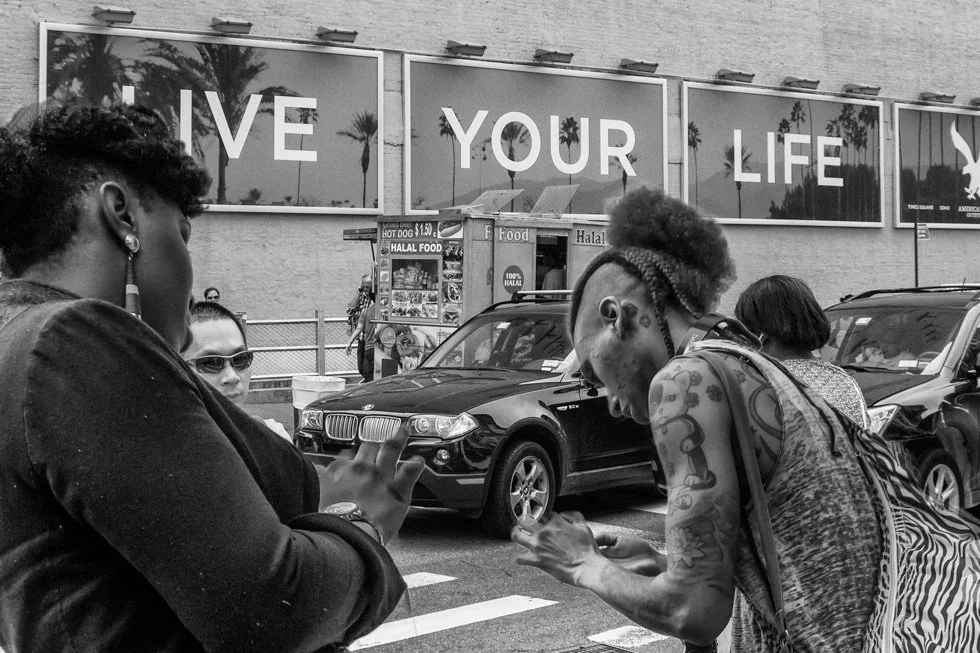
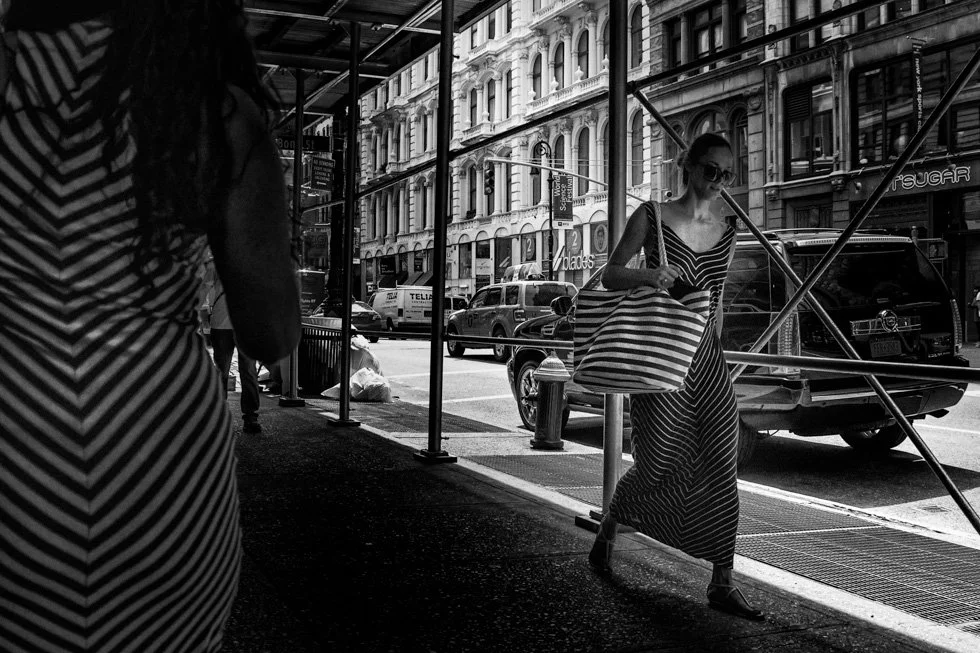
You may never have considered your iPhone to be a Cloak of Invisibility, but it absolutely is. Walk into a market carrying a large DSLR with a professional lens attached and every human being instantly understands something is happening. Heads turn. Faces stiffen. People either pose awkwardly, look annoyed, or become deeply interested in rearranging onions.
Walk into the same place holding a phone and you become what the world assumes you are: harmless.
Just another tourist. Another distracted traveler documenting coffee, signage, and their own feet. A person of no consequence. Society has been trained to ignore people with phones because otherwise no one would ever get anything done.
This is where the magic begins.
Markets, bars, roadside stalls, repair shops, cafés, pubs, backstreet counters with one flickering bulb and three suspicious chairs, these are the natural habitats of photography. Not because they are picturesque, but because they reveal how people inhabit the world. The relationship between a person and their surroundings tells you nearly everything: pride, fatigue, routine, humor, endurance, taste, resignation, joy. Sometimes all before breakfast.
Every trip I have ever loved begins the same way. I wake up and ask someone nearby: “Is there a market near here?”
This question has led me to glorious places and terrible directions.
But wherever the answer takes me, I know one thing: if I arrive with a large camera, I become a photographer. If I arrive with a phone, I become background furniture.
And background furniture gets close.
Now, let me be clear. I am not interested in sneaky street photography done with the ethics of a pickpocket. I don’t enjoy stealing images from people who clearly do not wish to be seen. I prefer some kind of connection, even if it lasts half a second. A nod. A glance. A raised eyebrow. The universal human signal for, “I know what you’re doing, and I’ll allow it.”
The phone helps because it lowers the temperature.
Most people working in markets are busy. They are earning a living. They do not have time to stand dramatically beside tomatoes while you adjust aperture priority and discuss shadows with yourself. They certainly do not want to be trapped in a twelve-minute portrait session by someone carrying enough gear to invade a small country.
But a phone? A phone says: this will be quick.
You can frame, wait, tap, smile, and move on. No tripod theatre. No lens cap rituals. No solemn muttering about focal length. Just a moment, acknowledged and respected.
The great joke, of course, is that nobody knows what is happening inside your head.
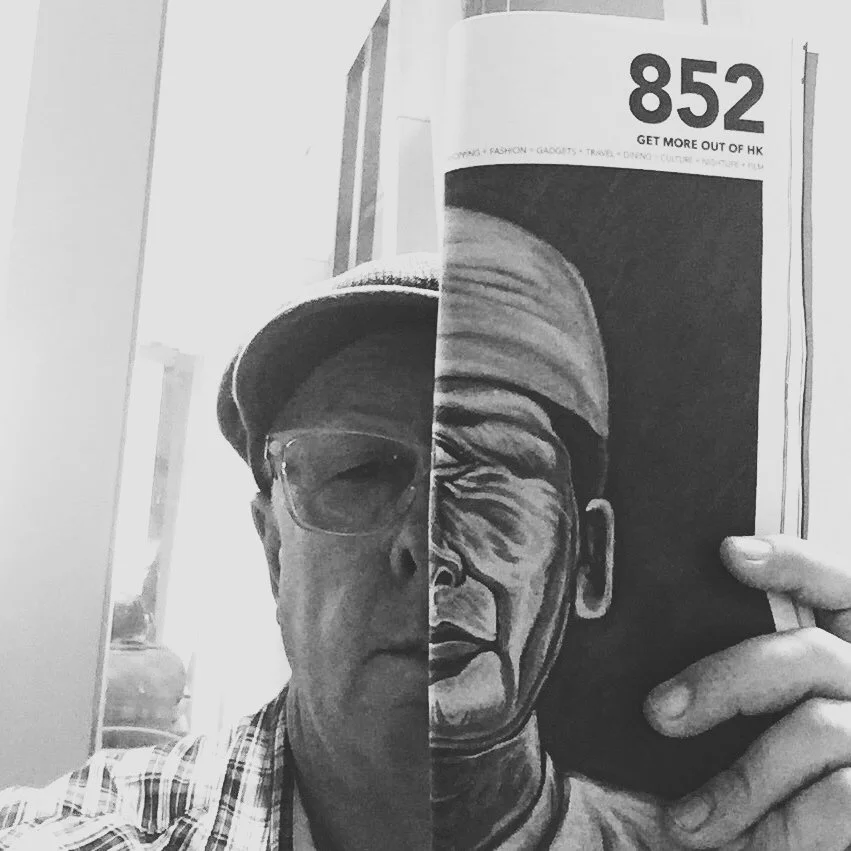
Outwardly, you are an older bearded man holding a phone near a fruit stand. Internally, you are balancing geometry, gesture, light falloff, layers, timing, emotional subtext, and the exact position of one hanging banana that is ruining everything.
No one sees the cathedral of intention. They see a tourist.
Excellent.
There is tremendous freedom in being underestimated. It is one of the cheapest accessories in photography.
With a phone, you can stand in plain sight and disappear. You can wait without appearing suspicious. You can revisit the same scene three times because everyone assumes you are lost. You can photograph extraordinary light bouncing off steel shutters while pretending to answer messages from someone named Klaus.
I have made some of my favorite travel images this way.
A butcher laughing behind steam and hooks.
A woman in a bakery window framed by trays of bread and fluorescent sadness.
A mechanic leaning into the blue dark of a garage doorway.
A bartender polishing glasses with the concentration of a surgeon.
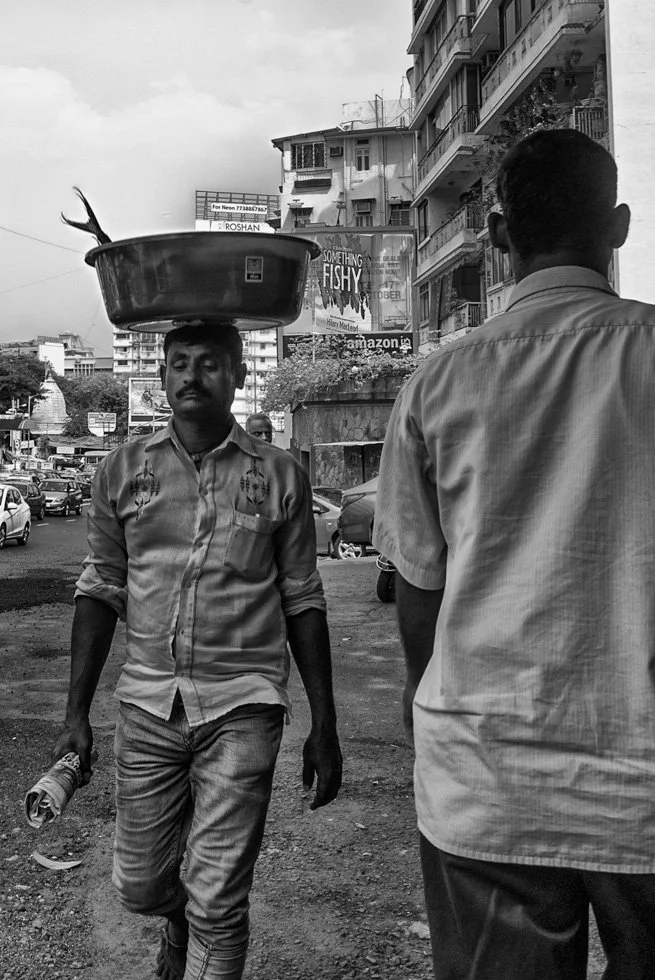
A fish seller staring through morning rain like a Roman emperor who lost interest.
All taken while I looked like a man checking notifications.
There are, naturally, limits. Sometimes you want the deliberate process, the larger sensor, the file depth, the slower rhythm of a proper camera. Sometimes the ceremony matters. Sometimes carrying a beautiful machine changes how you see, and that matters too.
But it is foolish to ignore the gift of the phone simply because it lacks romance.
Romance, in photography, is overrated. Access is underrated.
The truth is brutal and simple: the camera people ignore often makes the better picture.
So now I travel with less ego and more battery percentage. I still love my larger cameras. I still admire brass dials, precision lenses, and the intoxicating nonsense of expensive equipment. But I also know that somewhere in a crowded market, while another photographer is explaining sensor size to a stranger, someone with a phone is quietly making art.
Possibly me.
Possibly you.
Possibly a teenager eating noodles who has never heard of Henri Cartier-Bresson and does not care.
As well they shouldn’t.
The world does not reward the most serious-looking photographer. It rewards the one who noticed.