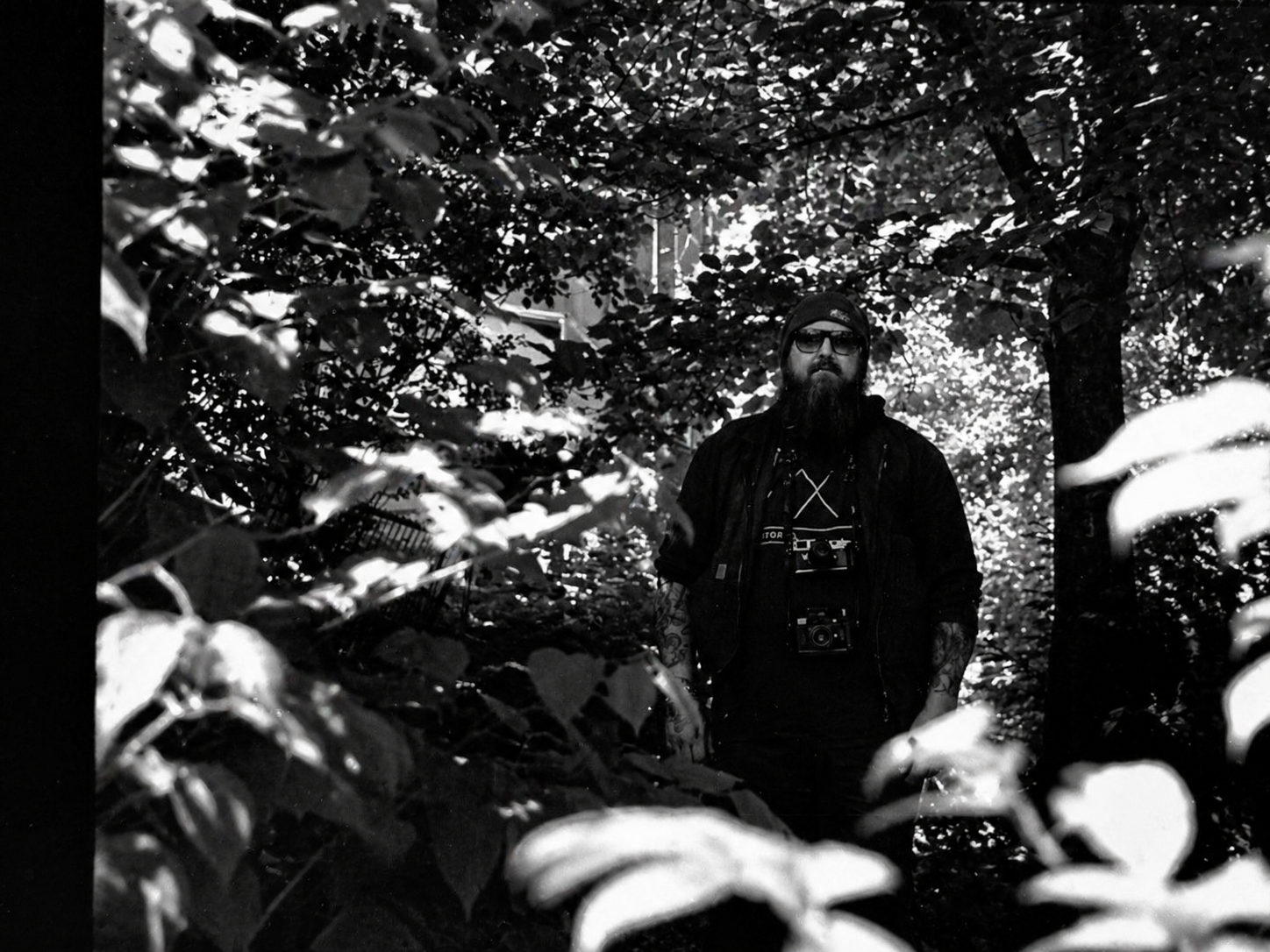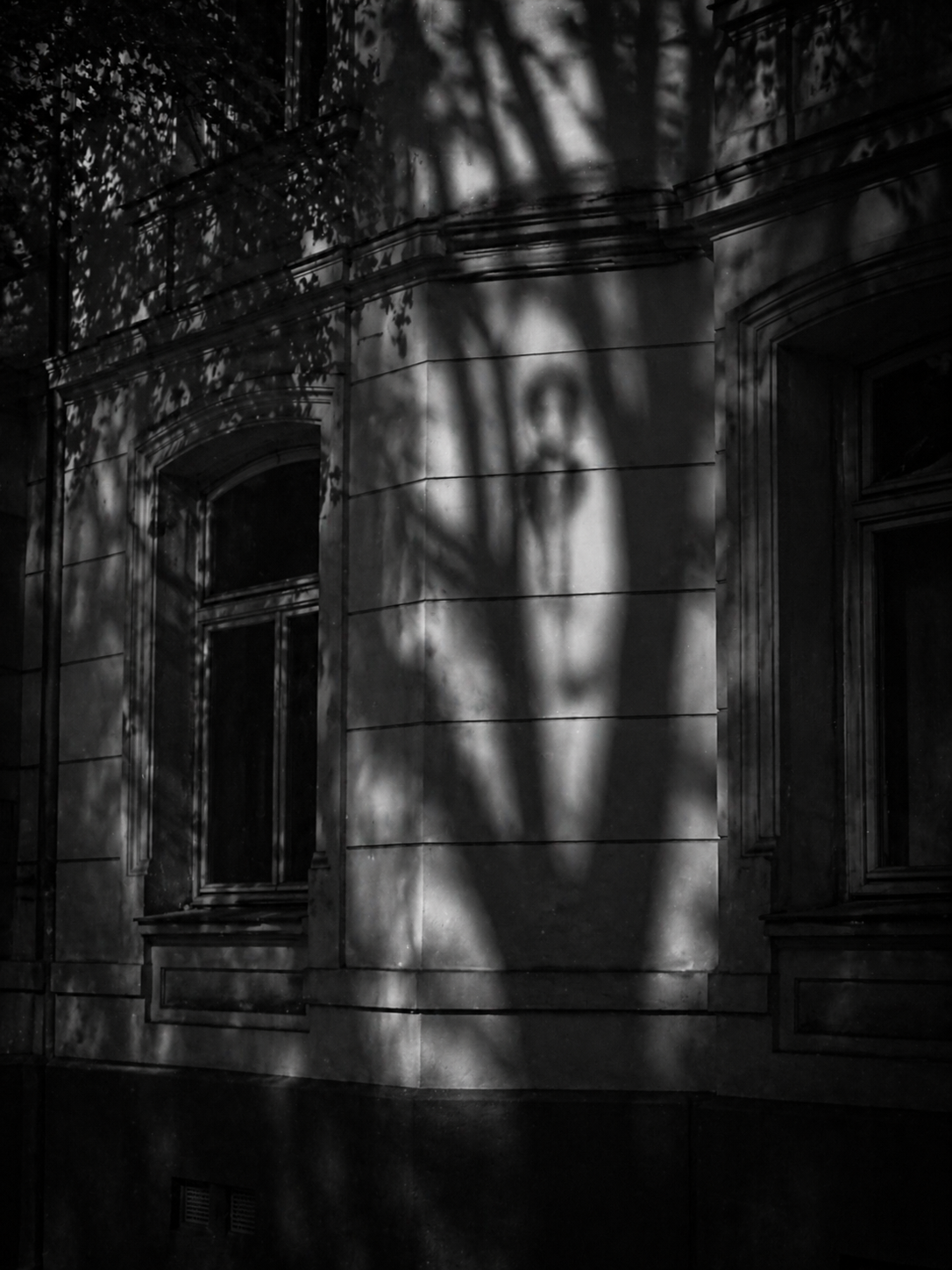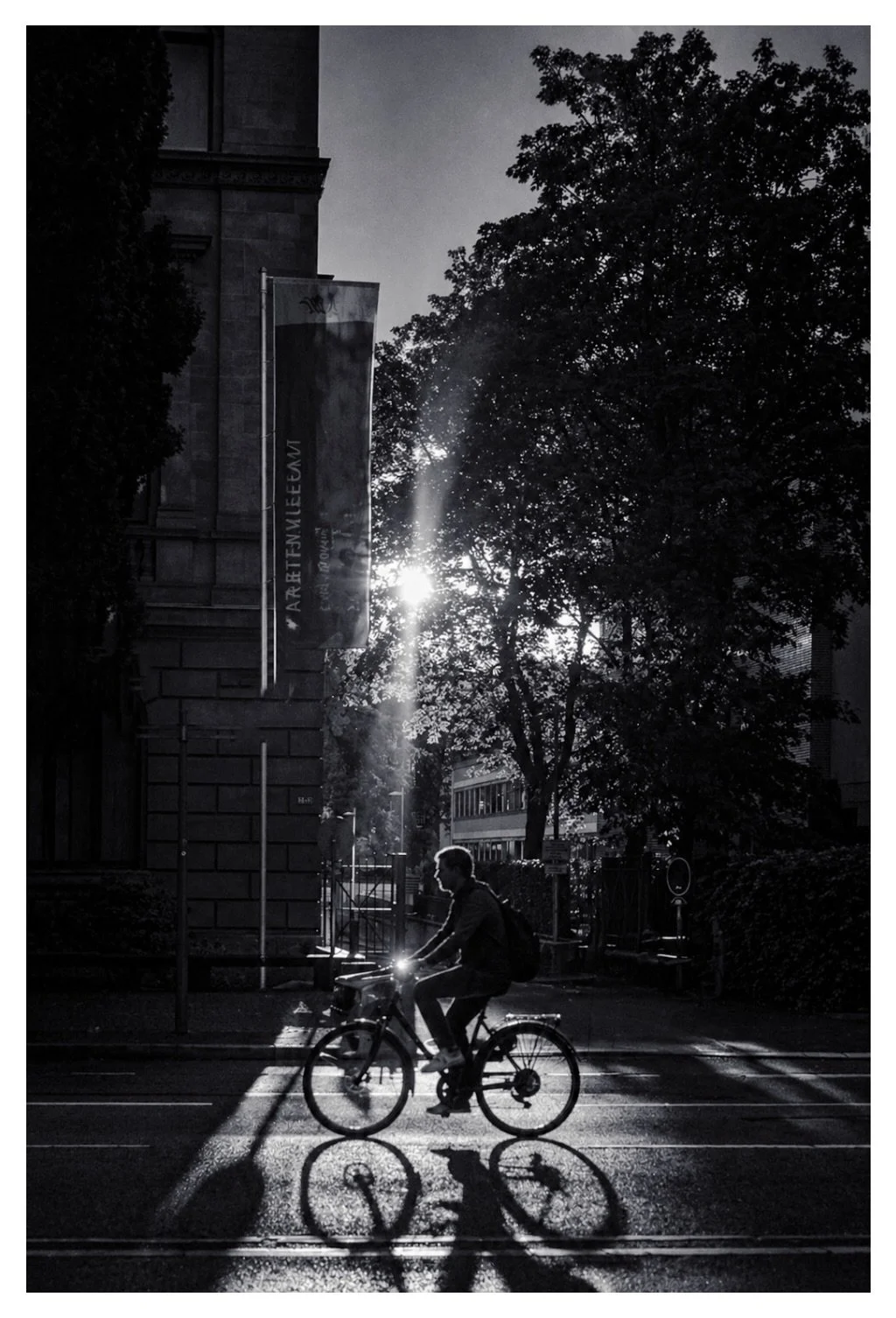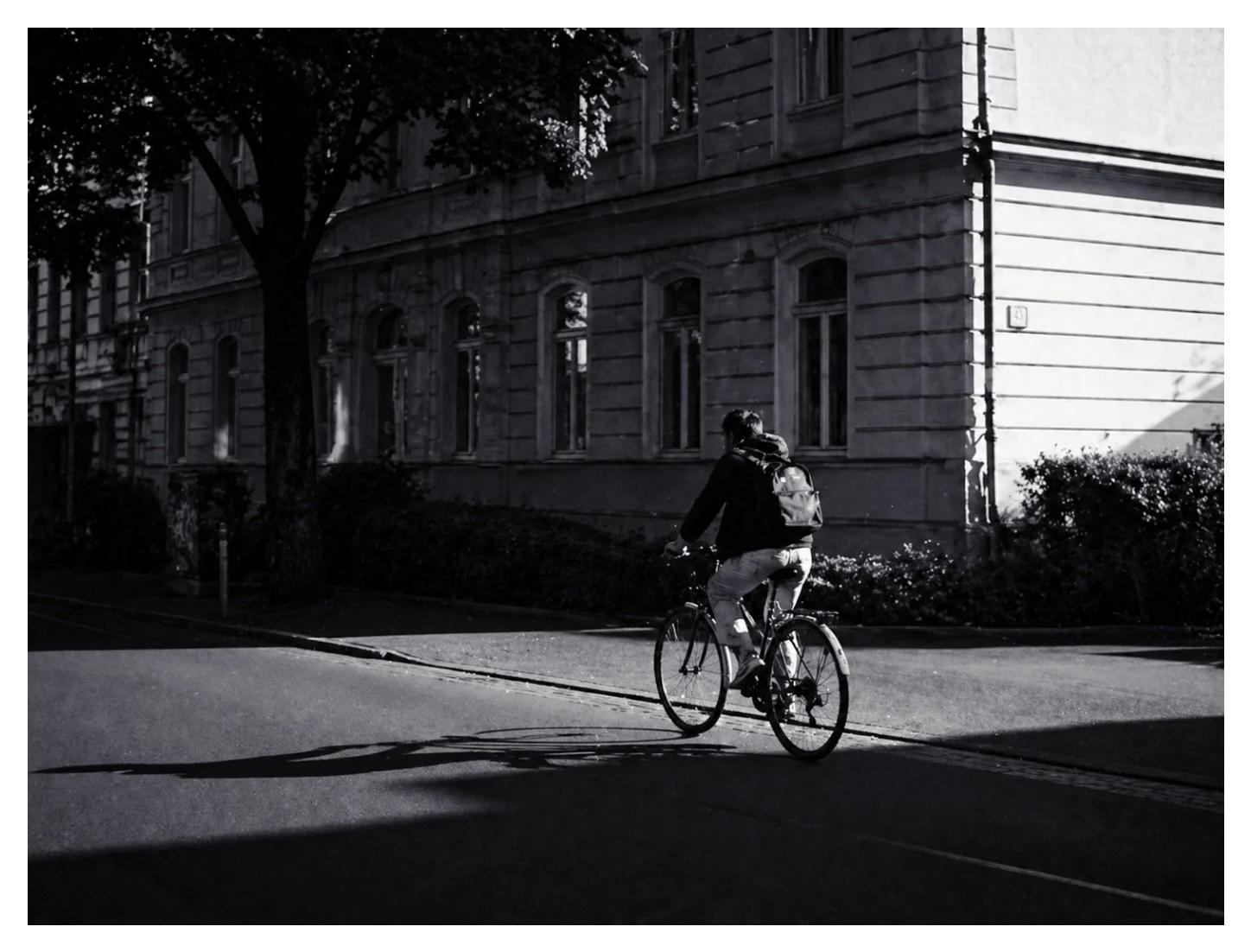
Bonn photowalk
Contrasts, Cameras, and the Civilized Madness of a Bonn Photo Walk
Round Two with #throughmyanalogeyes
There are many ways to spend a day in Bonn.
You can sit in a café and discuss productivity while achieving none. You can browse shops for things nobody needs. You can stare at your phone while pretending to be informed. Or, if fortune smiles upon you and your schedule is gloriously mismanaged, you can join a group of analog photographers wandering through the southern part of the city in search of light, texture, stories, and the increasingly rare joy of doing something slowly.
That is exactly what happened at the second Analog Photo Walk organized by #throughmyanalogeyes. And because human beings insist on repeating successful ideas, it turned out to be even better than the first.
This was my first time joining the walk, despite it already having a strong reputation after round one. Entering an established group can sometimes feel like arriving late to a dinner party where everyone already has inside jokes and firm opinions about espresso grinders. But within minutes, it became clear that this crowd was different.
The atmosphere was open, warm, curious, and refreshingly free of nonsense.
No one was trying to dominate the room. No one was an expert in social media. No one explained photography in the tone of a medieval tax collector. Instead, there were conversations. Real ones. About cameras, films, mistakes, places, lenses, process, and why anyone voluntarily carries several kilos of equipment to make twelve exposures.
Naturally, I felt immediately at home.
The Mehmet Kutlu Effect
A special word must go to Mehmet Kutlu, who organized the event and, by all visible evidence, did a genuinely excellent job.
Good organizers are often underestimated because when things run smoothly, people assume events happen. They do not. Events happen because someone quietly handles logistics, timing, communication, mood, and the invisible friction that otherwise turns gatherings into chaos.
Mehmet managed exactly that balance.
The route made sense. The group dynamic worked. There was enough structure to guide the day, and enough freedom to let photography breathe. That is harder than it sounds. Too much planning and the walk becomes a military exercise with shutter buttons. Too little planning, and twenty people end up photographing the same drainpipe while asking where everyone went.
Instead, the day flowed.
People moved naturally between scenes and conversations. New faces mixed with returning participants. Questions were asked and answered without ego. The whole thing had the rare feeling of being organized by someone who actually understands both photography and people.
An alarming combination.
Why the South of Bonn Worked So Well
The southern part of Bonn offered exactly what a thoughtful photo walk needs: contrast.
And contrast was clearly the unofficial theme of the day.
There were elegant façades beside worn corners. Quiet streets opening into busy moments. Bright sunlight colliding with deep shadow. Historic architecture interrupted by modern clutter. Soft human gestures framed by hard geometry. Calm scenes beside comic absurdity.
Photography lives on contrast, not just tonal contrast, but emotional and visual tension.
A perfect building in flat light is often less interesting than a broken wall with one sliver of sun across it. A symmetrical street means little until a person walks into it at the wrong moment and somehow makes it right.
Bonn delivered these contradictions generously.
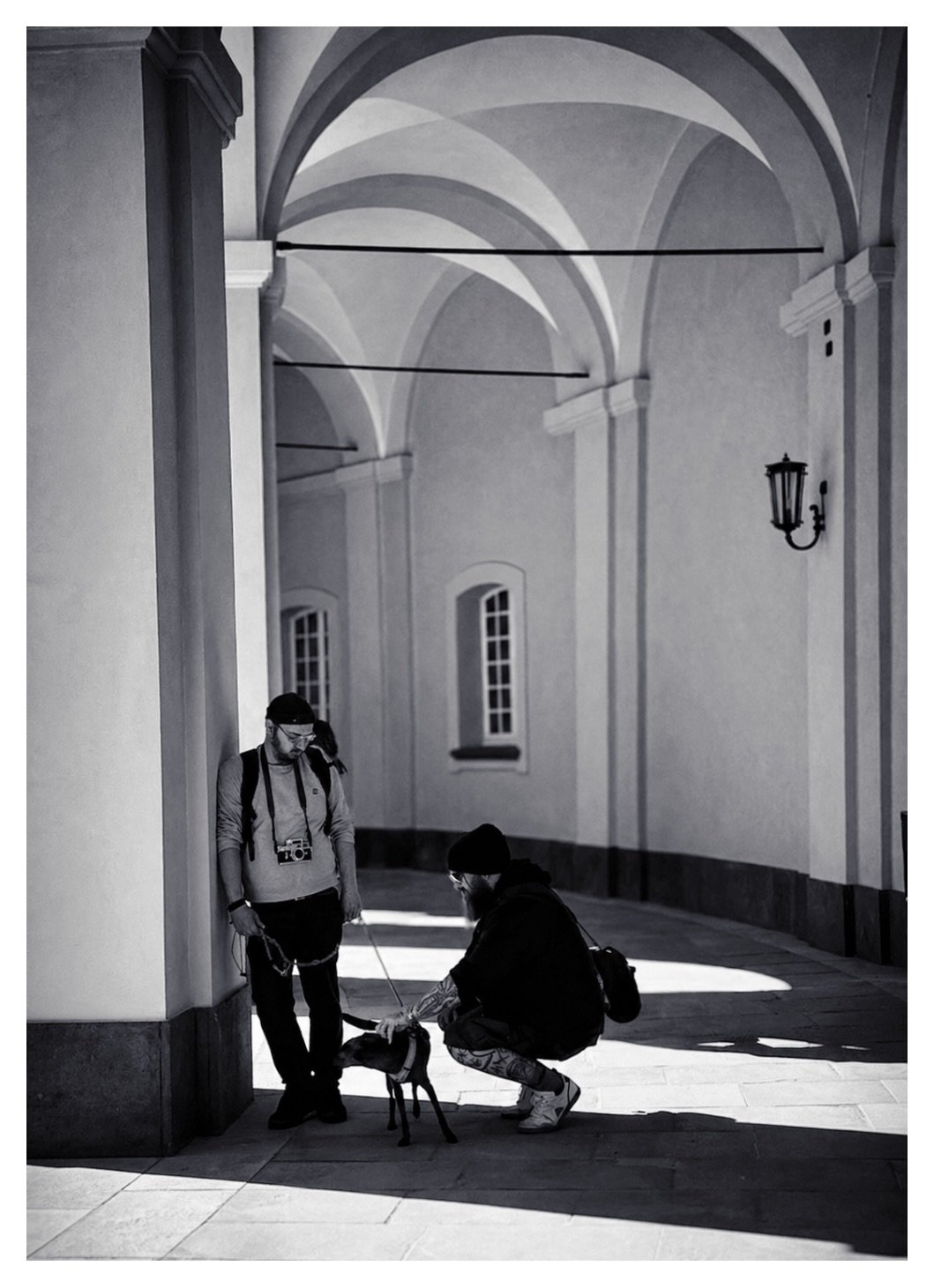
One moment, we stood beneath arcades and vaulted forms, where architecture created pools of darkness and shafts of light so dramatic they seemed staged by someone with theatre training. In another street, urban grit took over. Elsewhere, spring softened everything with trees and open space.
It meant every few minutes, the city changed mood.
For photographers, this is ideal for people trying to keep up while carrying medium-format gear; less ideal.
The Analog Crowd
What impressed me most was the group itself.
There is something inherently human about healthy analog photography communities. Film slows things down. It introduces uncertainty. It punishes arrogance. It rewards patience. Those are useful filters for personality.
When each frame costs money and cannot be reviewed instantly, people tend to become more thoughtful. They observe more carefully. They speak differently about images. They ask better questions.
And this group reflected that spirit.
There were experienced shooters and newer enthusiasts. Different systems, different formats, different tastes. Compact cameras, classics, metal bricks disguised as cameras, and machines that appear to require permits. Some preferred street scenes. Other details. Other portraits. Others enjoyed being among like-minded lunatics who understand why someone would get excited about expired film.
The conversations were excellent.
Not forced networking chatter. Not gear-snob theatre. Proper exchanges.
What developer did you use? Why that lens? How do you meter this light? What happens if you overexpose this stock? Have you tried this route before? Where did you find that camera? Why does it weigh as much as medieval artillery?
Those talks are half the value of such events.
You learn things without noticing you are learning. You hear approaches different from your own. You are reminded that there are many ways to see.
The Beauty of Walking With Cameras
There is also something important about moving through a city with intention.
Normally, people rush through the streets to arrive somewhere else. During a photo walk, the street itself becomes the destination.
A doorway matters. Reflections matter. Cracks in pavement matter. A stranger in good light matters enormously. The angle of shadows from a balcony can derail ten minutes of your life.
You notice rhythms.
You notice layers.
You notice that cities are full of scenes most people never truly see because they are busy looking at notifications.
Photography restores attention.
And doing it in a group adds energy. Someone notices a composition you missed. Someone points out a line of light. Someone crouches in the middle of a pavement, and suddenly everyone knows something interesting is happening.
It is ridiculous and wonderful.
The Characters of the Day
Every good walk has unofficial characters.
The person is carrying enough gear for a documentary expedition. The silent observer who suddenly produces brilliant frames. The lens enthusiast who can identify optics by silhouette. The calm veteran who has forgotten more than most people know. The cheerful beginner is asking the best questions in the group.
And, naturally, the occasional scene-stealer from the city itself.
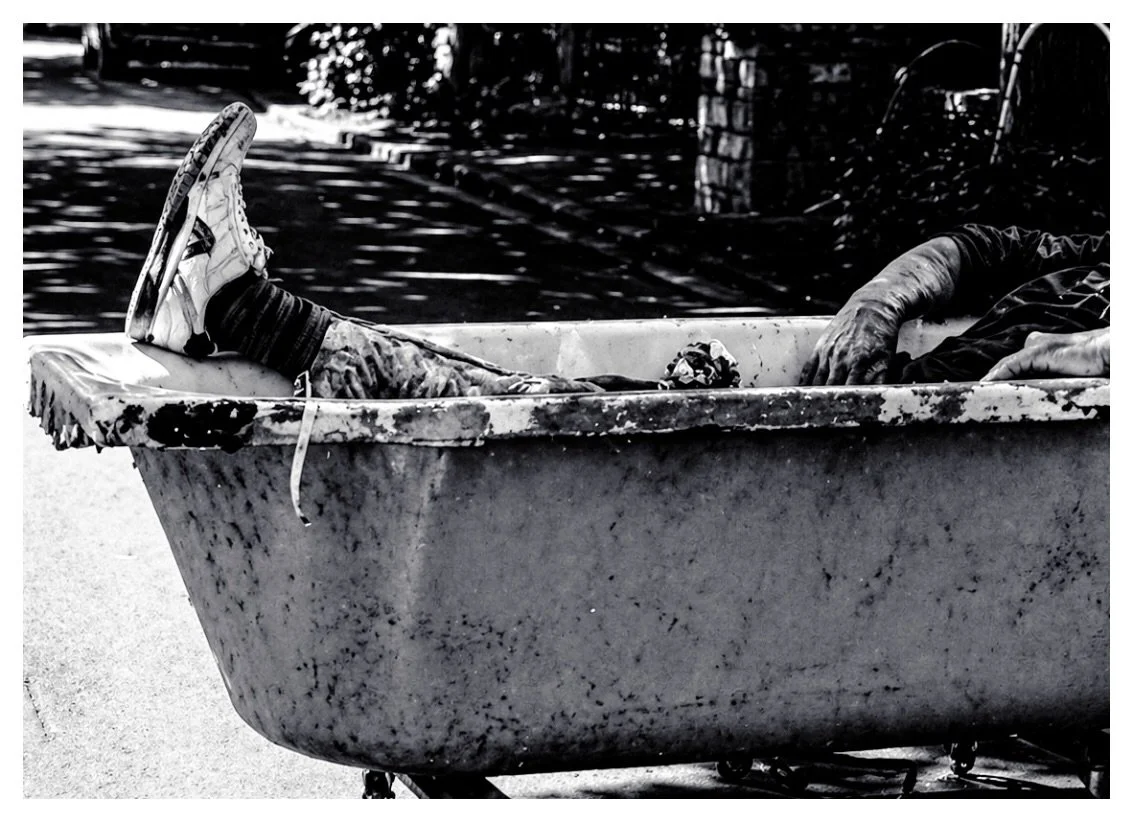
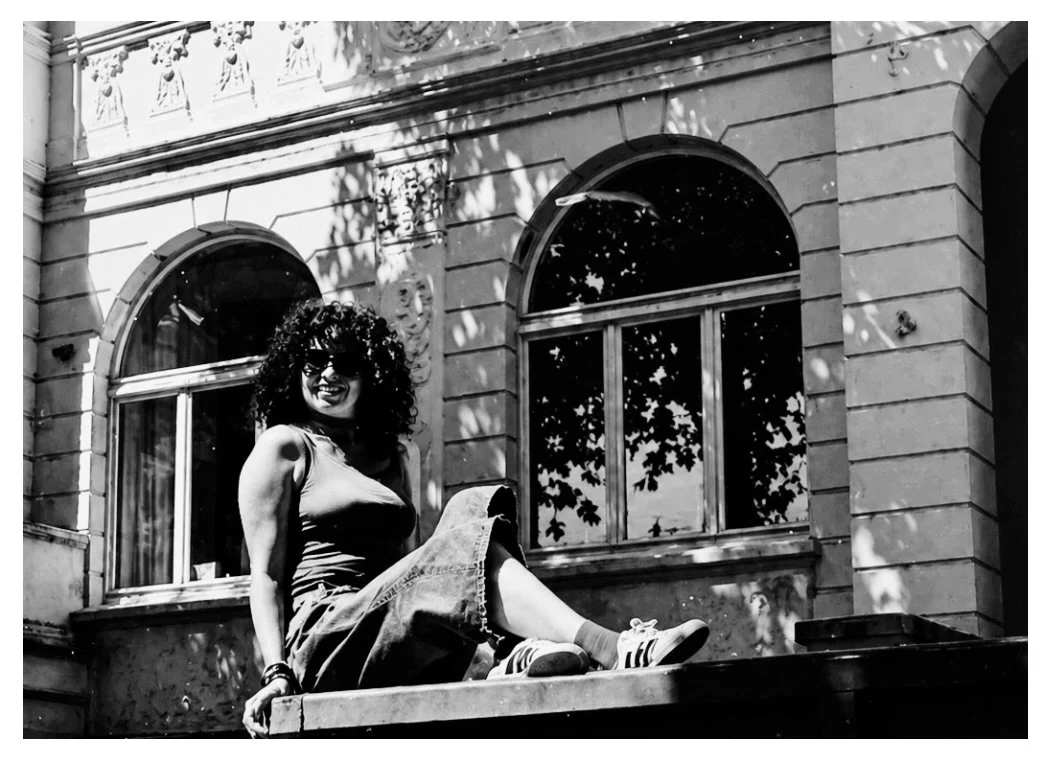
A man in a bathtub. A perfectly timed passerby. A dog with a stronger presence than many influencers. Unexpected fashion against old walls. Faces appearing briefly in windows. Bonn contributed generously to the cast list.
Street photography is often less about hunting drama than recognizing when ordinary life briefly becomes theatre.
Why It Matters
Events like this matter more than they seem.
They are not just walks. They are antidotes.
Against isolation. Against purely digital habits. Against passive consumption. Against the strange modern idea that hobbies must become brands.
Here, people met because they liked making photographs.
That was enough.
No one needed metrics. No one needed performance dashboards—no one needed to optimize joy.
They walked, looked, talked, and photographed.
A radical concept in our age.
My Own Impression
As someone joining only this second edition, I was genuinely impressed.
Impressed by the friendliness. Impressed by the quality of conversation. Impressed by the thoughtful route. Impressed by the mixture of seriousness and humor. Impressed by how quickly strangers can become companions once cameras are involved.
Photography can be solitary, and often should be. But sometimes it benefits from community. From shared curiosity. From seeing others work. From hearing how they think.
This walk offered exactly that.
It reminded me that while cameras matter, people matter more.
Looking Ahead
The danger now, of course, is expectation.
Round two was strong. Which means round three will now be burdened by the entirely unreasonable hopes humans always place on success.
But if Mehmet Kutlu remains at the helm, if the spirit of the group stays intact, and if Bonn continues providing light, shadow, and mildly absurd street theatre, there is every reason to believe the next one will be worth joining.
And if not, there will still be conversations, cameras, and at least one person explaining why medium format is “actually practical.”
Which is already enough reason to show up.
Final Thought
Some days give you pictures. Others give you perspective.
This one gave both.
Thanks to Mehmet Kutlu, #throughmyanalogeyes, and everyone who came along. The second round was not merely a repeat of success.
It was proof that the first one was no accident.
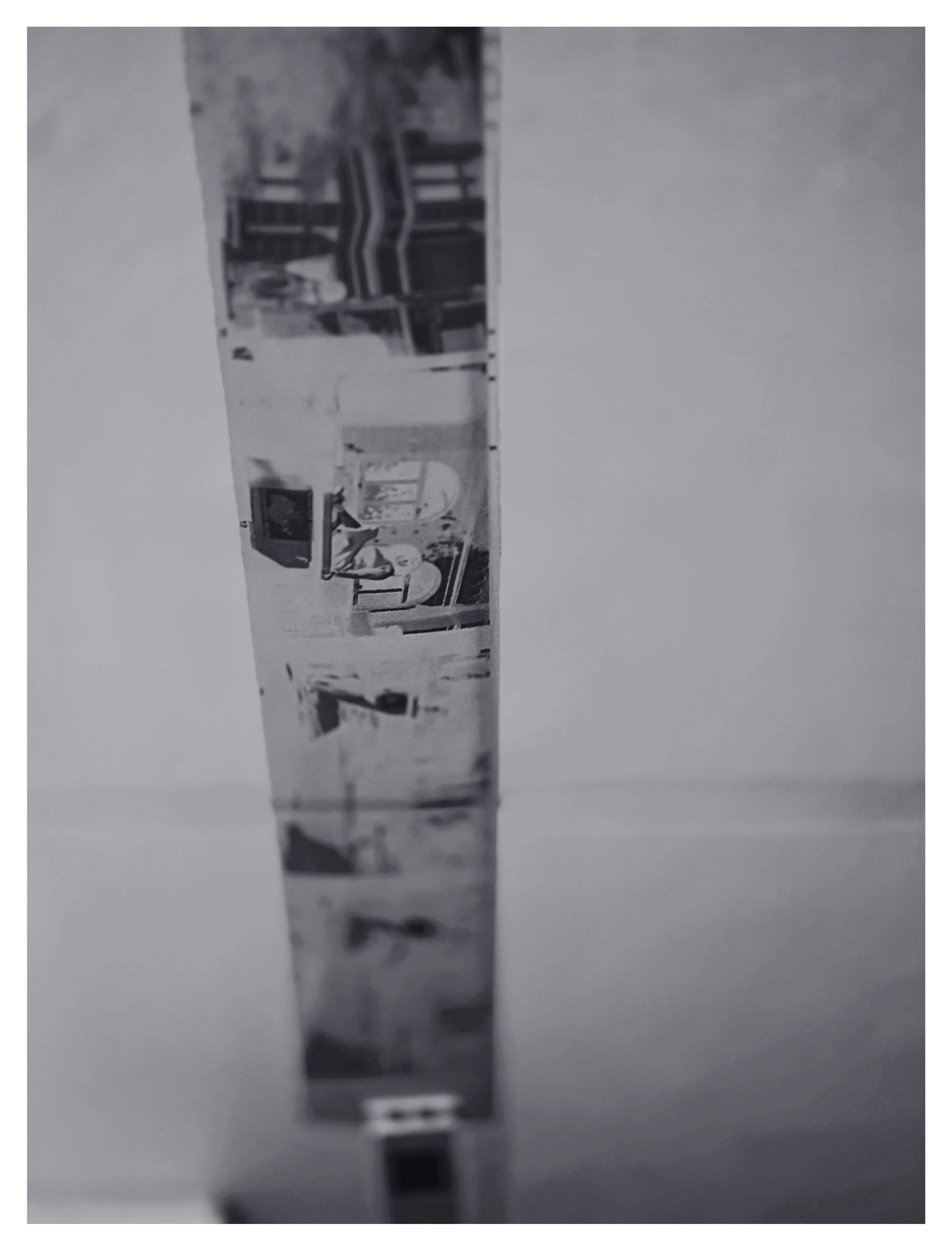
Returning to my base I developed my Rollei Retro 400S with HC 110 and scanned today with my digital camera - the outcome - satisfying for my part at least seven out of ten.