Documentary and cinematic
There is a particular kind of obsession that often starts with an old camera handed down through the family. Not the loud kind of obsession people immediately notice, but the quieter version that slowly settles into your life until one day you find yourself standing alone in the rain at two in the morning, photographing a nearly empty parking garage because the light somehow feels important. Photography has a strange ability to make completely irrational behavior appear culturally acceptable as long as you describe it as artistic work.
For me, it started with my grandfather’s photo albums.
He photographed holidays and journeys with great care, documenting ordinary moments that would otherwise disappear with time. The albums were filled with faded pictures of beaches, railway stations, awkward family portraits, and badly framed sunsets. Nothing extraordinary. And maybe that was exactly the point. The images carried atmosphere rather than perfection.
When I was sixteen, I inherited his Rolleiflex.
That camera changed more than my interest in photography. It introduced me to an entirely different way of looking at the world. Suddenly, there were darkrooms, chemicals, sleepless nights, notebooks full of ideas, bicycles carrying camera bags through empty streets, and a growing collection of analog cameras that made financial stability increasingly theoretical. Photography has an impressive ability to turn sensible adults into people who believe another lens will somehow solve existential questions.
Ironically, my first fascination with photography was technical. I liked the mechanics behind it. Aperture, shutter speed, lenses, precision. The logic of light entering a camera and becoming memory felt almost scientific.
Then cinema entered the picture, complicating everything.
Werner Herzog’s Fitzcarraldo and Aguirre, the Wrath of God, stayed with me just as strongly as Wong Kar-wai’s In the Mood for Love. Somewhere between Klaus Kinski dragging a ship through the jungle and Maggie Cheung standing beneath neon light in a narrow corridor, I began to understand that images could do more than document reality. They could create an atmosphere. Emotion. Tension. A sense of memory that feels half real and half imagined.
Music played an important role in that experience as well. In films like Fitzcarraldo, sound and image merge into something larger than narrative itself. Wong Kar-wai’s films turned loneliness, rain, and city light into emotional landscapes. That sensitivity to mood and atmosphere deeply influenced the way I approached photography, especially at night.
Night photography often feels less like observation and more like wandering through uncertain spaces, waiting for fragments of meaning to appear. Empty streets, reflections in wet pavement, steam rising from subway vents, fluorescent light in underground stations. Sometimes those scenes feel cinematic. Sometimes they are quiet moments carrying more emotion than expected.
Over time, my focus shifted more toward documentary photography, but cinema never disappeared from my way of seeing. I became increasingly interested in sequences and in the relationship between still images, movement, and memory. Photographs started to feel like fragments from unfinished films rather than isolated moments.
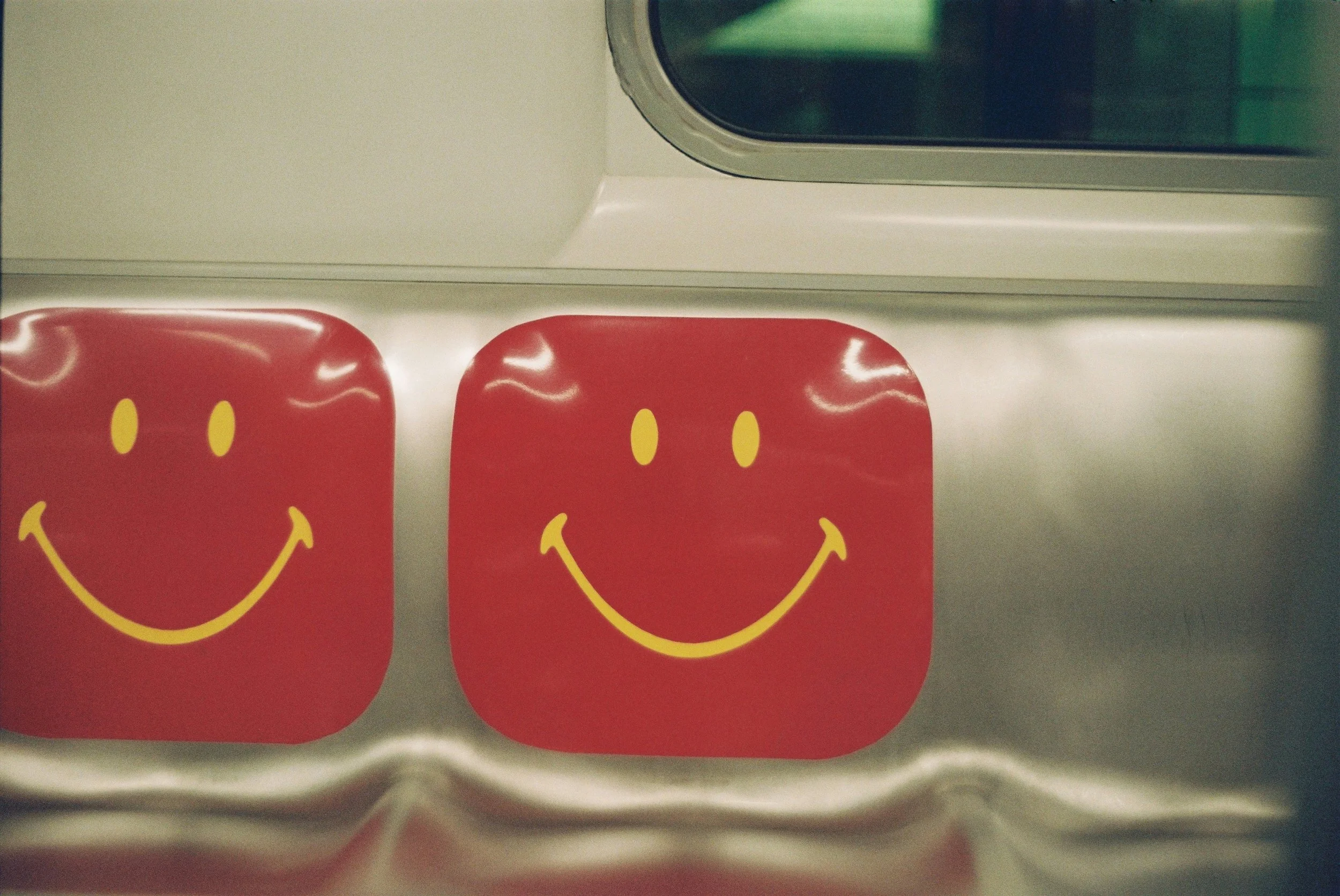
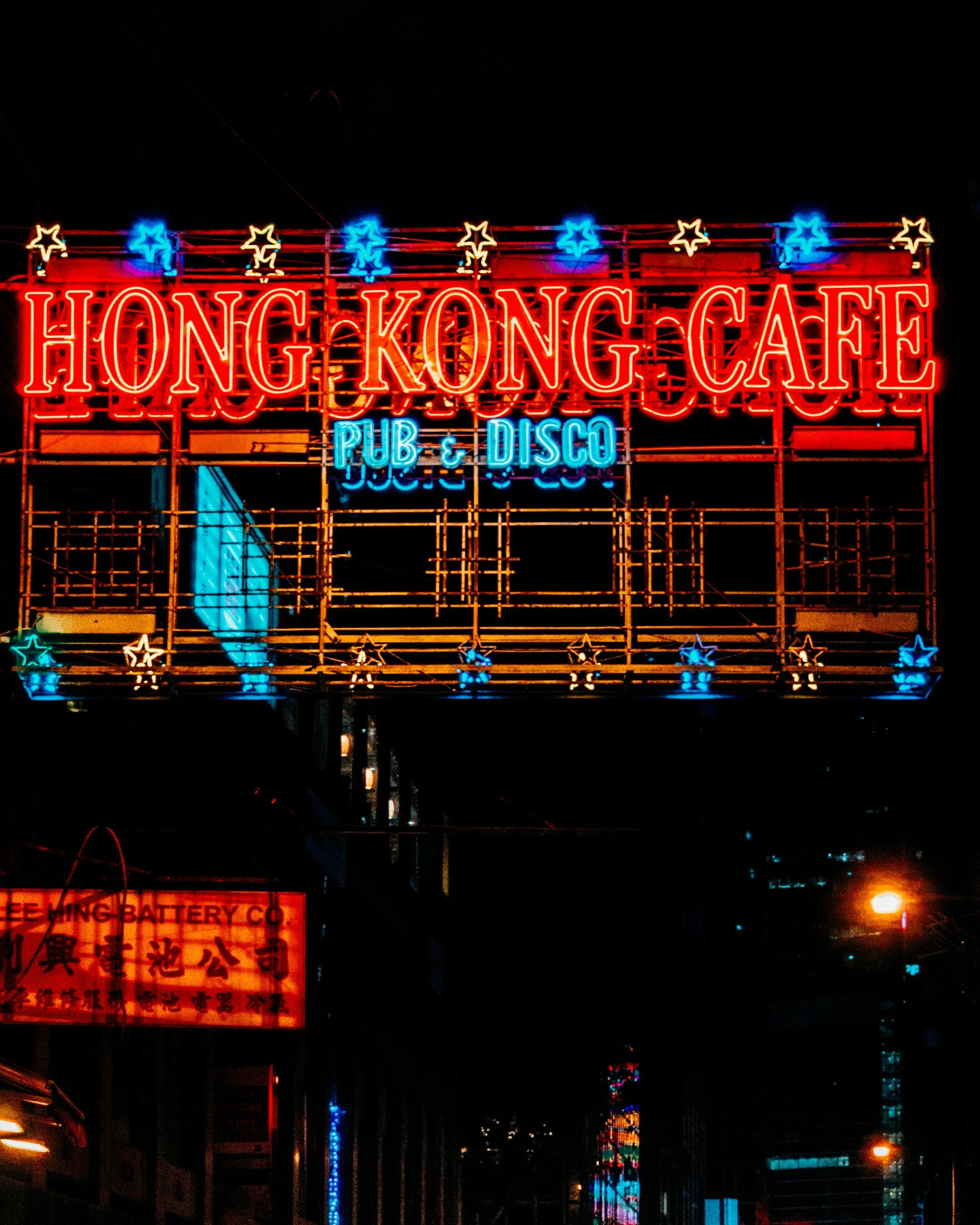
I experimented with combining photography, text, and architecture, especially in Hong Kong’s underground stations and urban spaces. Places where people move through light and shadow without looking at each other, surrounded by neon reflections and artificial brightness. Cities like Hong Kong often feel suspended somewhere between exhaustion and dream.
Chance and luck pushed my work further than I ever expected.
Photography eventually allowed me to spend several years in Southeast Asia, moving between cities, landscapes, and cultures that constantly shifted my perspective. Some places require careful documentation. Others feel as if they should be experienced and absorbed.
That tension continues to shape the way I photograph.
For me, photography exists somewhere between documentary and imagination, between precision and accident, between cinema and silence. It lives in the imperfect spaces where reality refuses to cooperate fully.
And honestly, that is probably what keeps it interesting.
Perfection rarely stays in memory for long.
Imperfection does.
Fog on a street corner. Grain in low light. Reflections in scratched windows. Late trains. Neon signs glowing through the rain. Bicycles leaning against old walls. A single person standing beneath artificial light, looking as though they accidentally stepped into an arthouse film without realizing it. Human beings have a remarkable talent for turning ordinary moments into strange little pieces of cinema, even if most of us pretend otherwise on social media.