Baden/Baden and Savanna
Coming home from Freiburg, I decided to stop for a day in Baden-Baden with my bike and my Leica. It seemed like the right sort of detour. Baden-Baden has always carried this quiet elegance about it, somewhere between old world spa culture and Black Forest calm, and arriving there by bicycle somehow made the contrast even stronger.
The town sits on the edge of the Black Forest near the French border, surrounded by hills, thermal springs, and an atmosphere that still feels shaped by another century. The Romans were already using the hot springs here around 2,000 years ago, and ever since then, people have been arriving in Baden-Baden hoping warm water might improve their lives in one way or another.
Coming into town by bike feels different than arriving by car or train. You notice the changes in the air, the aroma of rain on stone, the quieter streets in the early morning. While many visitors move between luxury hotels, spas and cafés, I arrived with damp gloves, dirt on my jacket and a camera hanging from my shoulder.
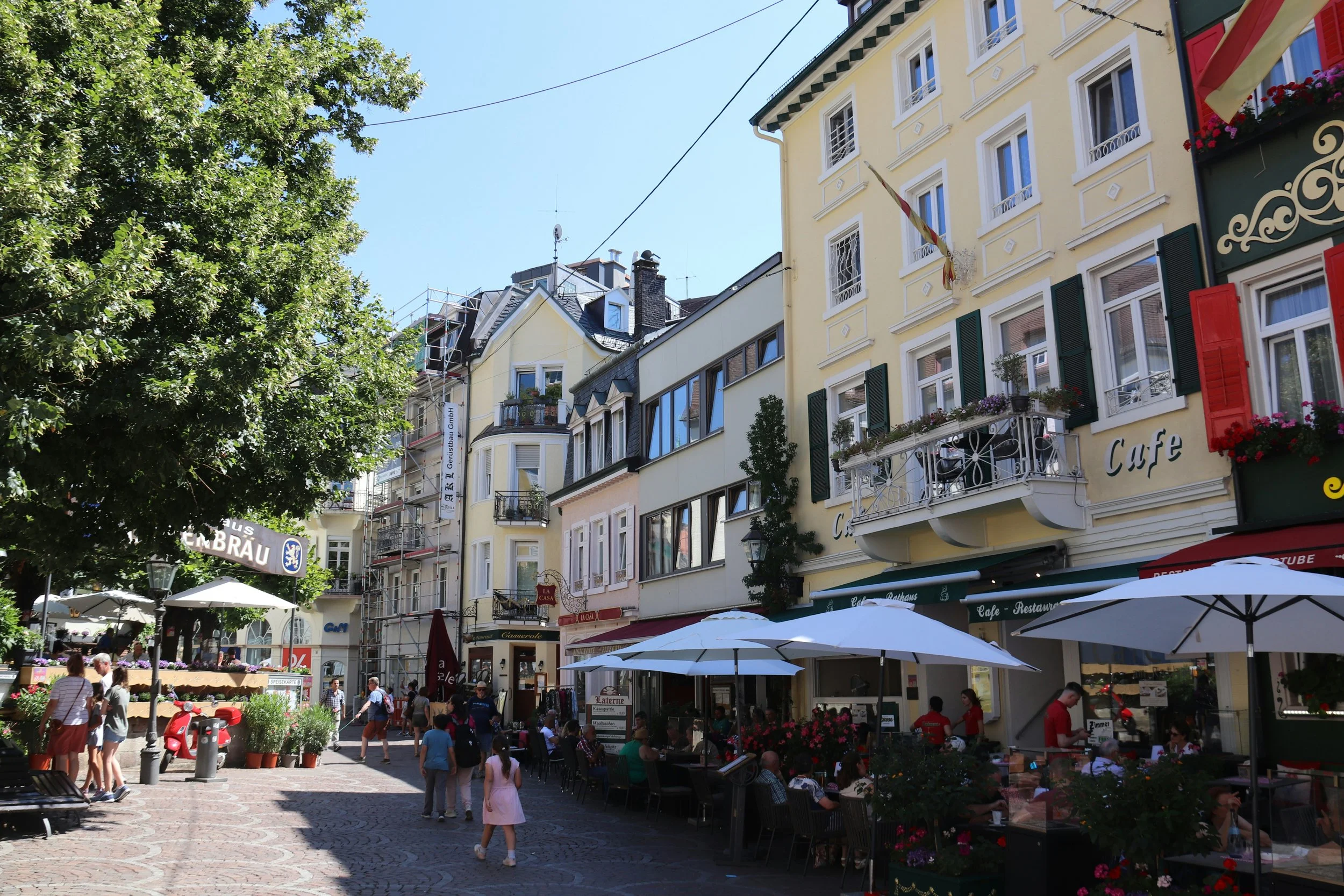
Early morning turned out to be the best time to walk through the old town with Leica. Before the cafés filled and spa visitors appeared, the streets still belonged to bakers unloading deliveries, street cleaners washing the pavements and the sound of rainwater running along narrow alleys.
Around the Stiftskirche, the light was soft and diffused by low clouds. Wet cobblestones reflected the old lanterns and shop windows. Elderly couples walked quietly beneath umbrellas while shop owners prepared for the day. Baden-Baden photographs best in these quieter moments, before the town fully wakes up and becomes aware of itself.
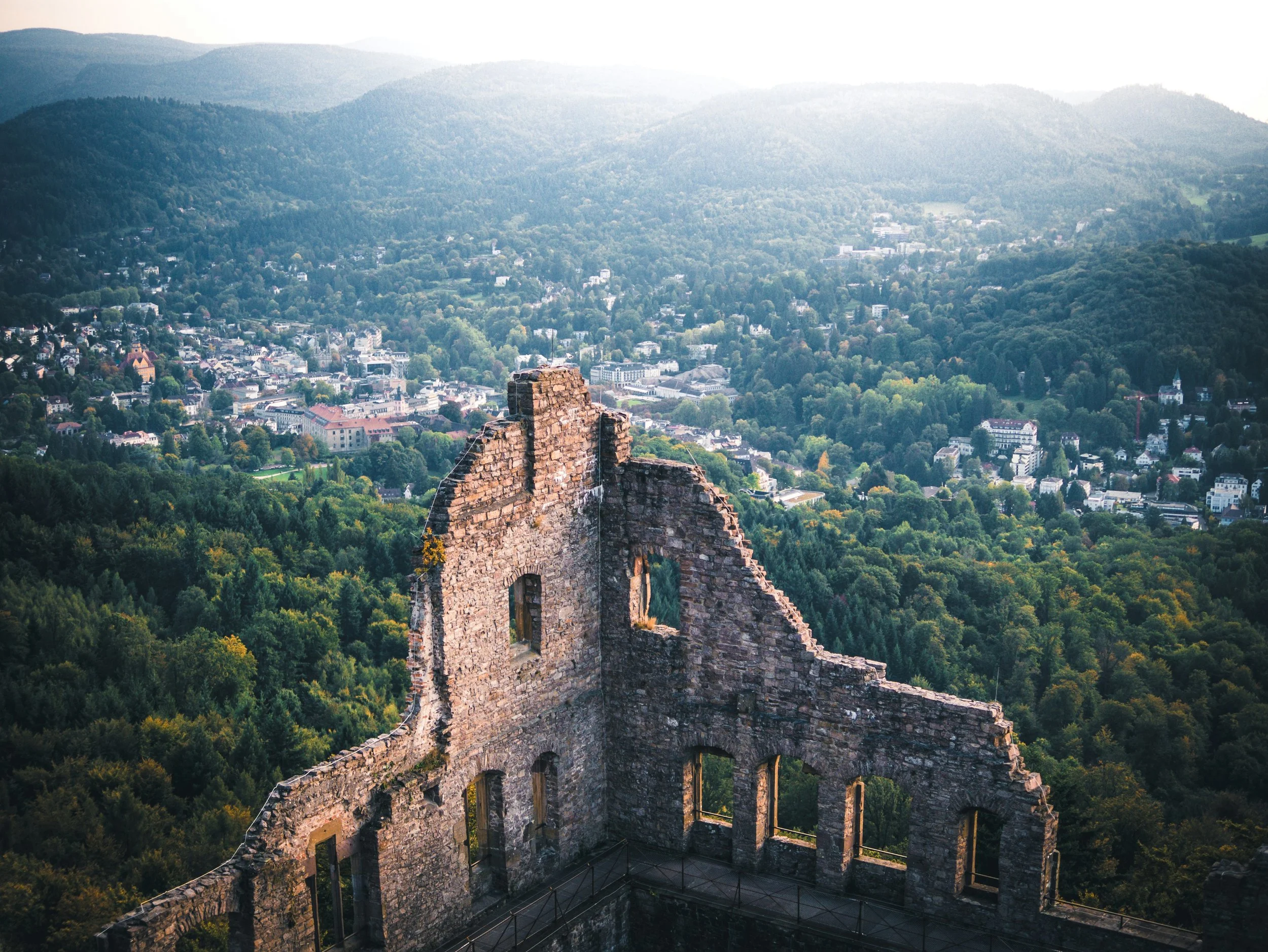
I walked up to the Neues Schloss on the Florentinerberg for a wider view across the rooftops and the Black Forest beyond. The darker layers of hills behind the city gave everything a slightly cinematic look, particularly in black and white. It seemed to be one of those places where a Leica naturally slows you down. Instead of searching for dramatic scenes, you begin to notice details: the texture of walls, reflections in windows, fog between rooftops, people standing still for a second longer than expected.
Near the Roman Bath Ruins, I spent some time photographing old stonework and the contrast between ancient walls and modern visitors moving through them. There is something strangely timeless about thermal towns. The Romans came here to recover from life, and people are still doing exactly the same thing centuries later.
Some of the best moments happened unexpectedly throughout the day:
an elderly waiter arranging white tablecloths outside Café König,
steam rising near the Friedrichsbad in the cold air,
reflections in the windows of the Kurhaus during light rain,
cyclists disappearing into the morning fog near the Oos River,
and quiet figures walking through Lichtentaler Allee beneath the trees.
Baden-Baden rewards patience more than spectacle. It is not a place that demands dramatic photography. The town works better through quieter compositions and small observations. Soft light, balanced architecture, reflections, gestures, and atmosphere become more important than obvious subjects.
The Kurhaus itself almost feels unreal at times. Chandeliers, polished floors, velvet interiors, and the old casino all carry that 19th-century confidence that spa towns once perfected. Outside, guests moved through the rain with complete calm, as if bad weather had been carefully arranged for atmosphere.
The Museum Frieder Burda added a different aesthetic rhythm to the day. Richard Meier's clean white architecture contrasts beautifully with the older parts of town, especially on overcast days. The reflections in the glass and minimalist lines worked perfectly for a few quieter frames.
Later, I visited the spas themselves. Friedrichsbad remains one of the more unusual experiences in Germany: historic thermal bathing in marble halls with rituals that have hardly changed in generations. Caracalla Therme offers the more modern version with large pools, steam baths, and saunas. Somewhere between hot water, steam, and tired legs from cycling, Baden-Baden starts to make perfect sense.
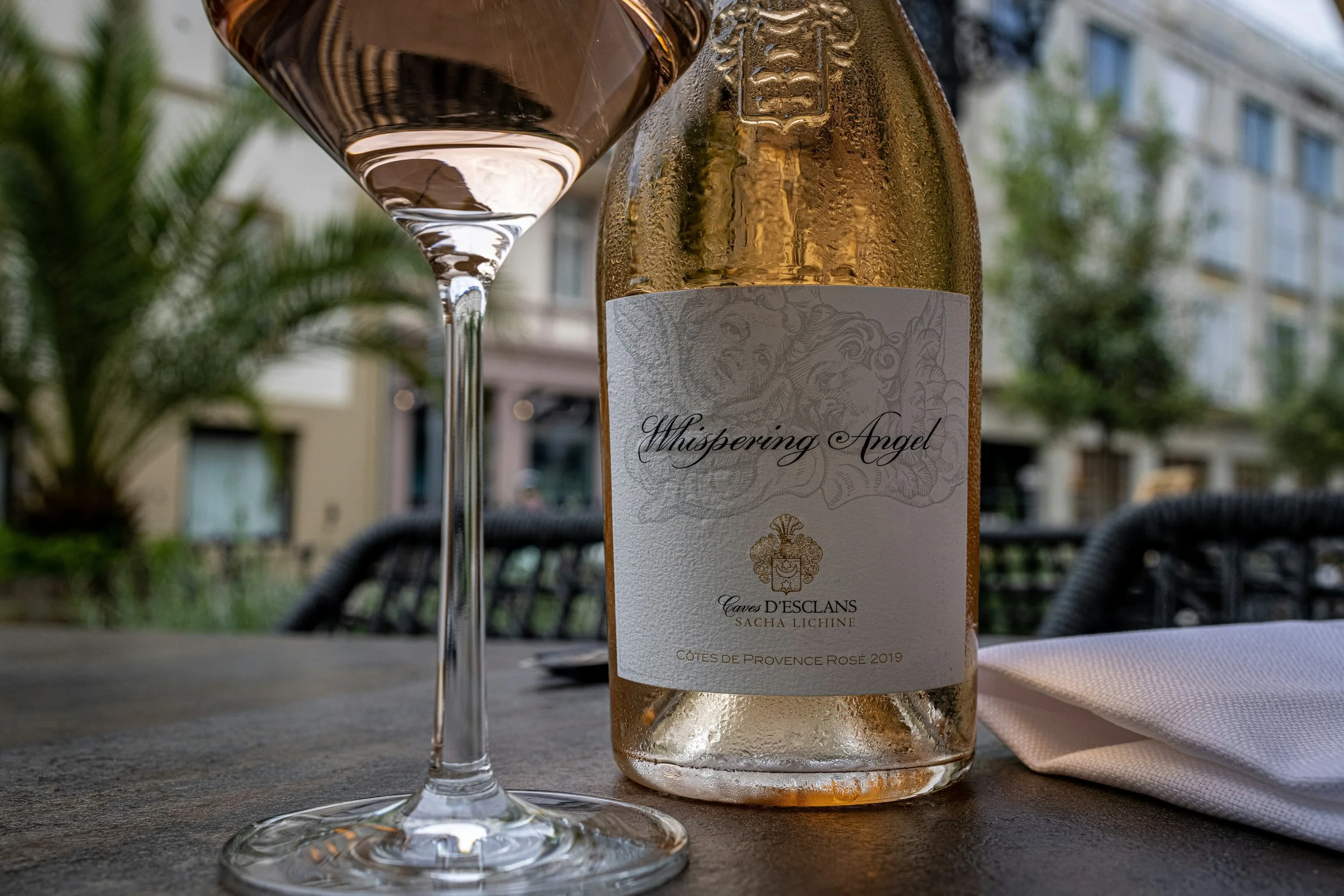
Before leaving, I sat outside a small wine tavern with a tarte flambée and one last coffee while going through the Leica images from the day. Rain on stone. Steam against the windows. Quiet faces. Reflections in puddles. Nothing spectacular, but exactly the kind of photographs I like bringing home.
Baden-Baden is not really about luxury alone. What stays with you is the atmosphere: the quiet streets in the morning, the old architecture, the slow rhythm of the town, and the feeling that some places still allow you to move a little more slowly for a while.