Posts tagged street
A serial …

Street photography, for a long time, felt like a hunt. I walked the streets with a camera and a quiet hope that today would finally deliver that one perfect moment — the kind Henri Cartier-Bresson made look effortless. Like many photographers, I chased timing, geometry, and coincidence, convinced that meaning lived in a fraction of a second.

Eventually, that chase became exhausting.

What changed everything was letting go of the idea that a single image had to carry everything. Instead of hunting moments, I started paying attention to connections. Staying longer in one place. Watching patterns repeat. Letting photographs relate to one another. A short series of five images turned out to be enough to suggest movement, mood, and tension — without explaining anything outright.

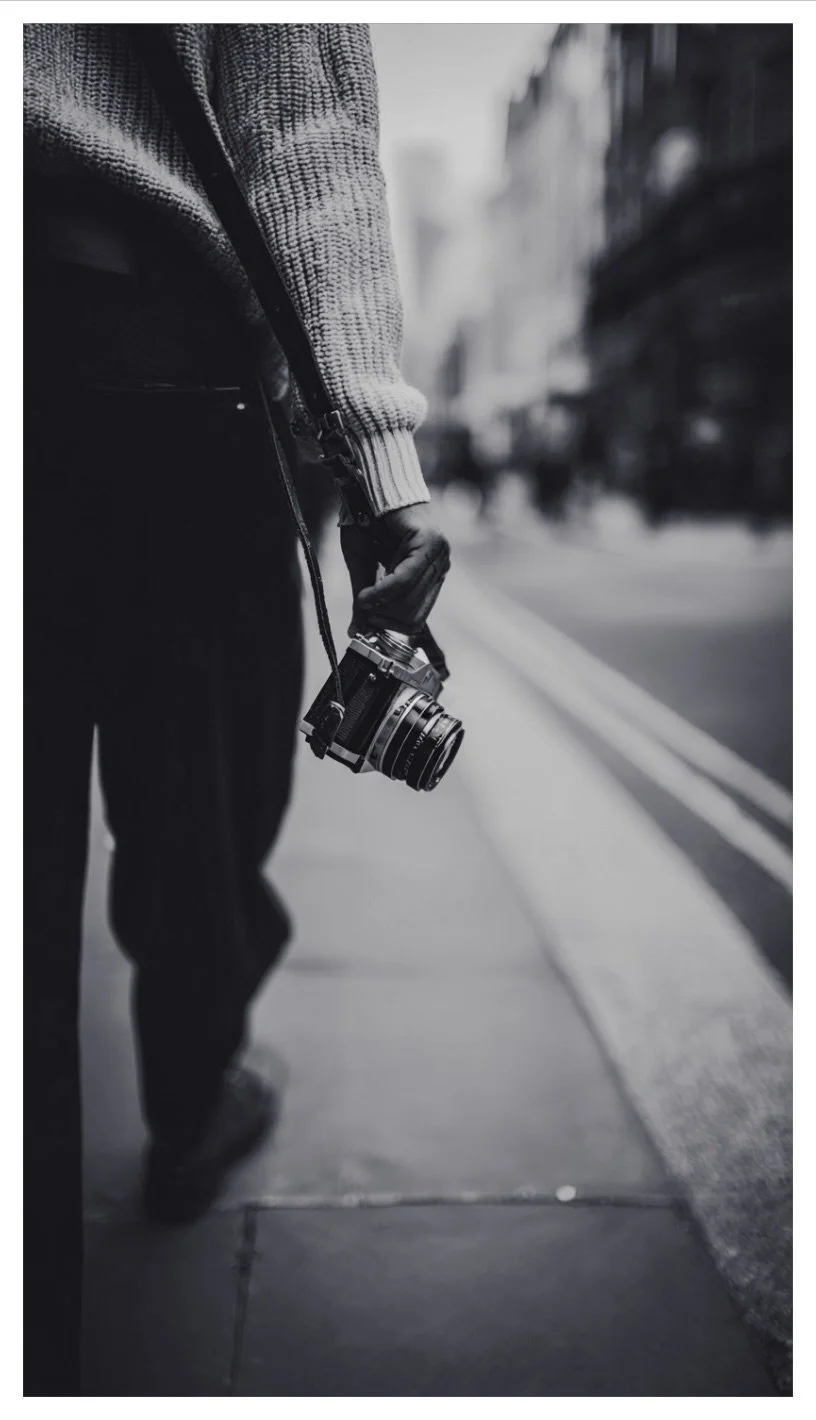
This shift slowed me down. Photography stopped feeling like a competition and started feeling like observation. The camera became a notebook rather than a net. And it didn’t matter what tool I used. Analog, digital, medium format, phone — if it can create an image, it’s valid. The street doesn’t care what camera you bring. Only you do.

Working in series also removed pressure. Each image only had to do its part. Context, detail, pause, release. No hero shots required. Just clarity.

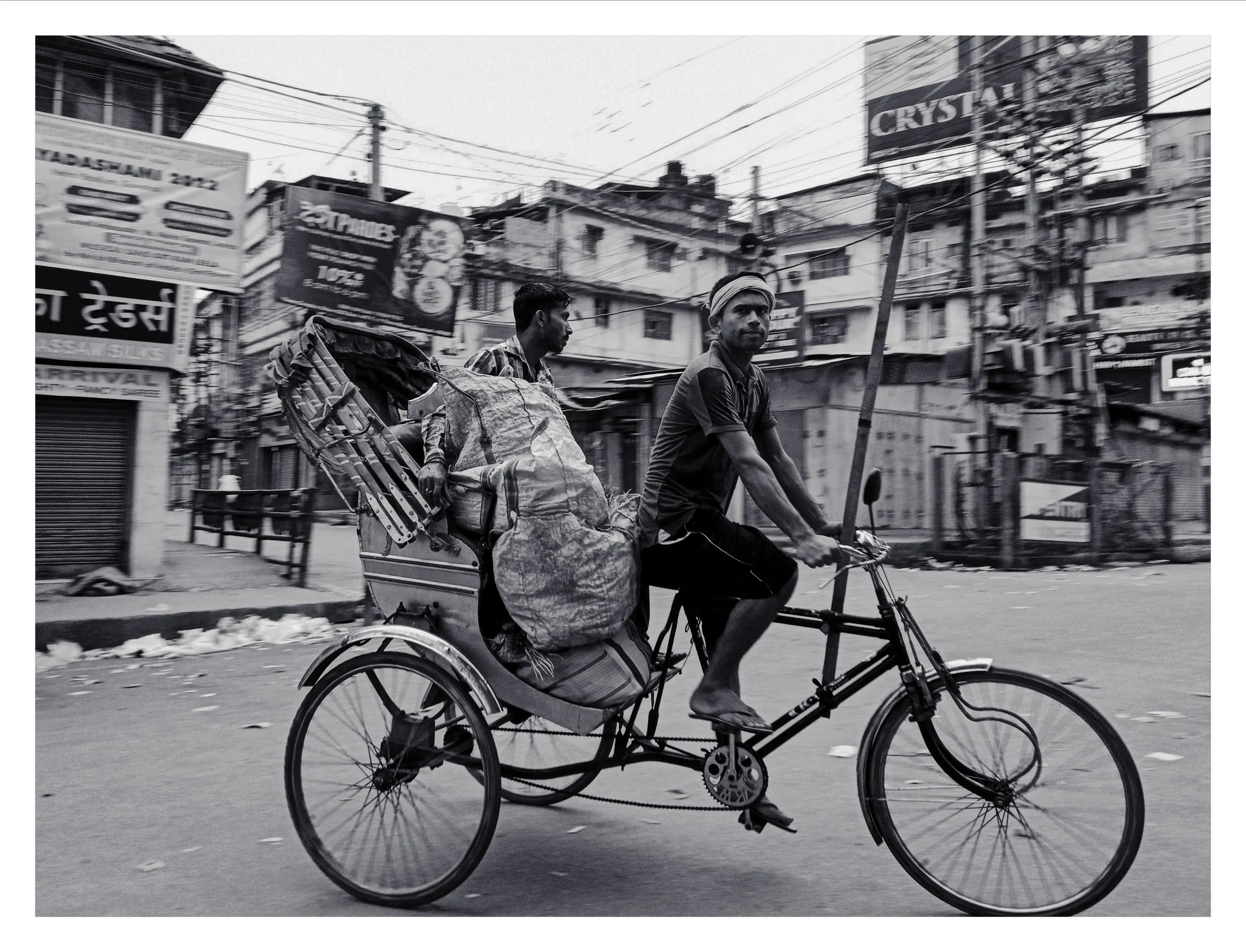
I began applying this way of thinking to different cities. Frankfurt became, for me, a place of order and control — efficient, calm, and emotionally restrained. Cologne felt like its opposite: informal, diverse, social, and gently chaotic. Hong Kong was something else entirely — dense, compressed, intense, with only brief moments to breathe before the pressure returned.

This journey is still unfolding. I don’t claim to have answers. But I do know this: slowing down, trusting sequences, and letting images talk to each other has made photography more honest — and more enjoyable.

If that sounds familiar, or if you’re questioning the chase yourself, you’re not alone.

LONDONER Method

The LONDONER Method: A Calm Philosophy for Street Photography

Street photography often feels louder than it needs to be. Faster, closer, bolder is the common narrative. The LONDONER framework proposes the opposite: slow down, soften your presence, and let the city come to you.

At its core, LONDONER is not a technical system but a mental posture. It begins with loosening up—dropping rigid expectations and abandoning the urge to force images. Cities rarely reward aggression. They respond far better to patience, rhythm, and awareness.

A key principle is calm observation. Instead of hunting for moments, you position yourself within the flow of urban life and observe how people, light, and movement interact naturally. This approach reduces friction and allows scenes to unfold without interruption. The photographer becomes part of the environment rather than a disturbance within it.

The framework also stresses intentional movement. Walking with purpose—without rushing—sharpens perception. Even on days with poor light, bad weather, or uninspiring streets, an optimistic mindset keeps your visual sensitivity alive. Cities always offer something; the challenge is staying receptive enough to notice it.

Equally important is staying natural and attuned to a city’s specific energy. Every place has its own tempo and social grammar. LONDONER encourages respecting that rhythm, adapting to it, and responding intuitively rather than imposing a predefined style or agenda.

Finally, the method values reflection. Reviewing your work, thinking about what the city revealed rather than what you tried to extract, helps transform scattered observations into coherent visual narratives. Over time, this reflection deepens your ability to translate urban complexity into meaningful images.

LONDONER is not about mastering the city. It is about listening to it—quietly, consistently, and with intent.

mindful approach

This lecture explores a contemplative philosophy of street photography that prioritizes intentionality over speed by using medium format film cameras. The author examines how specific tools, such as the Hasselblad, Rolleiflex, and Plaubel Makina, influence the photographer's rhythm and creative perspective across various Asian cities. By choosing manual equipment and limited exposures, the artist moves away from rapid-fire shooting to focus on careful observation and emotional resonance. The text highlights how black and white filmand specific technical choices help transform ordinary urban moments into poetic narratives. Ultimately, the source serves as an invitation for photographers to embrace a mindful approach that honors the subjects and the environment through the art of slow seeing.

Urban creativity

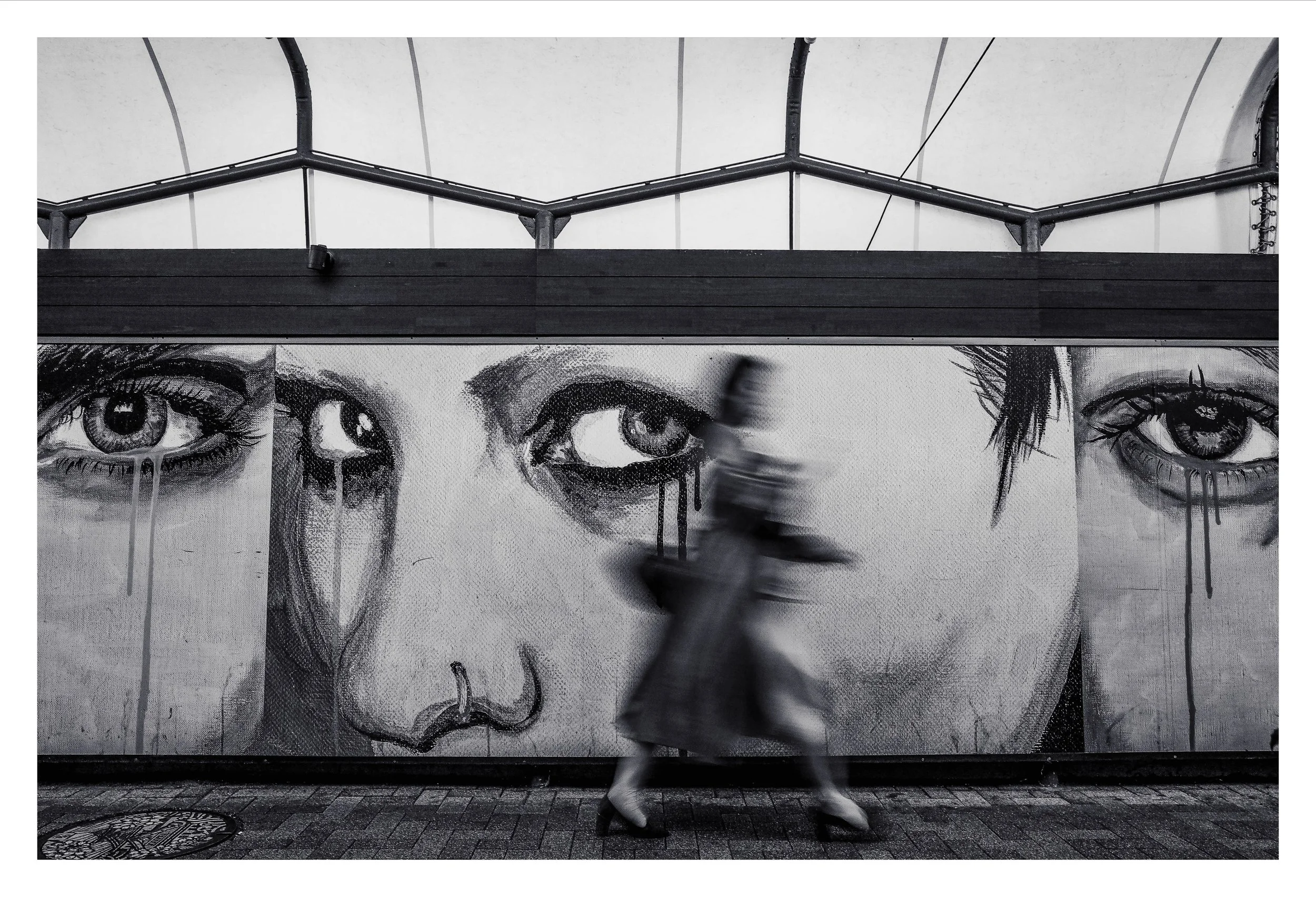
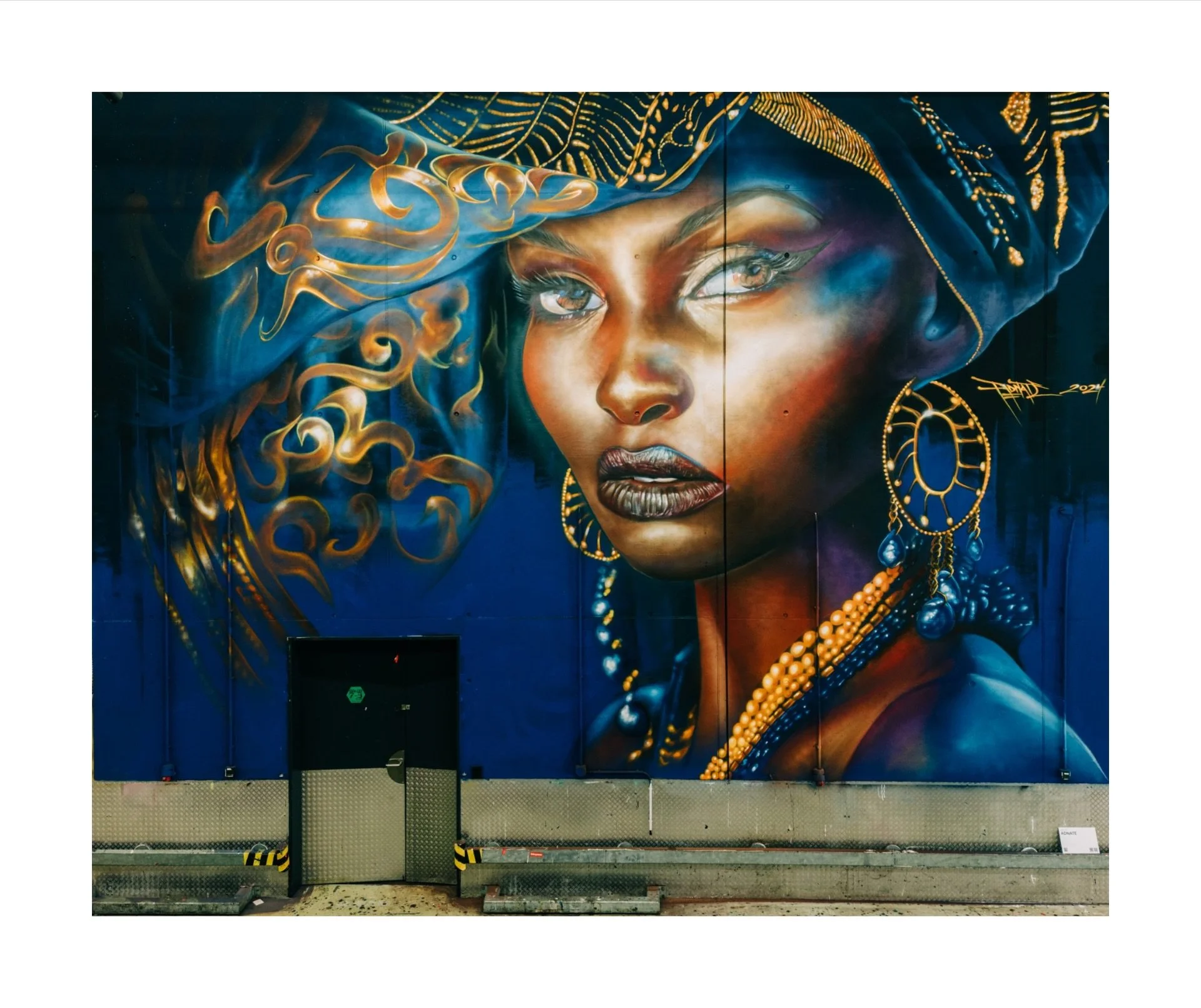
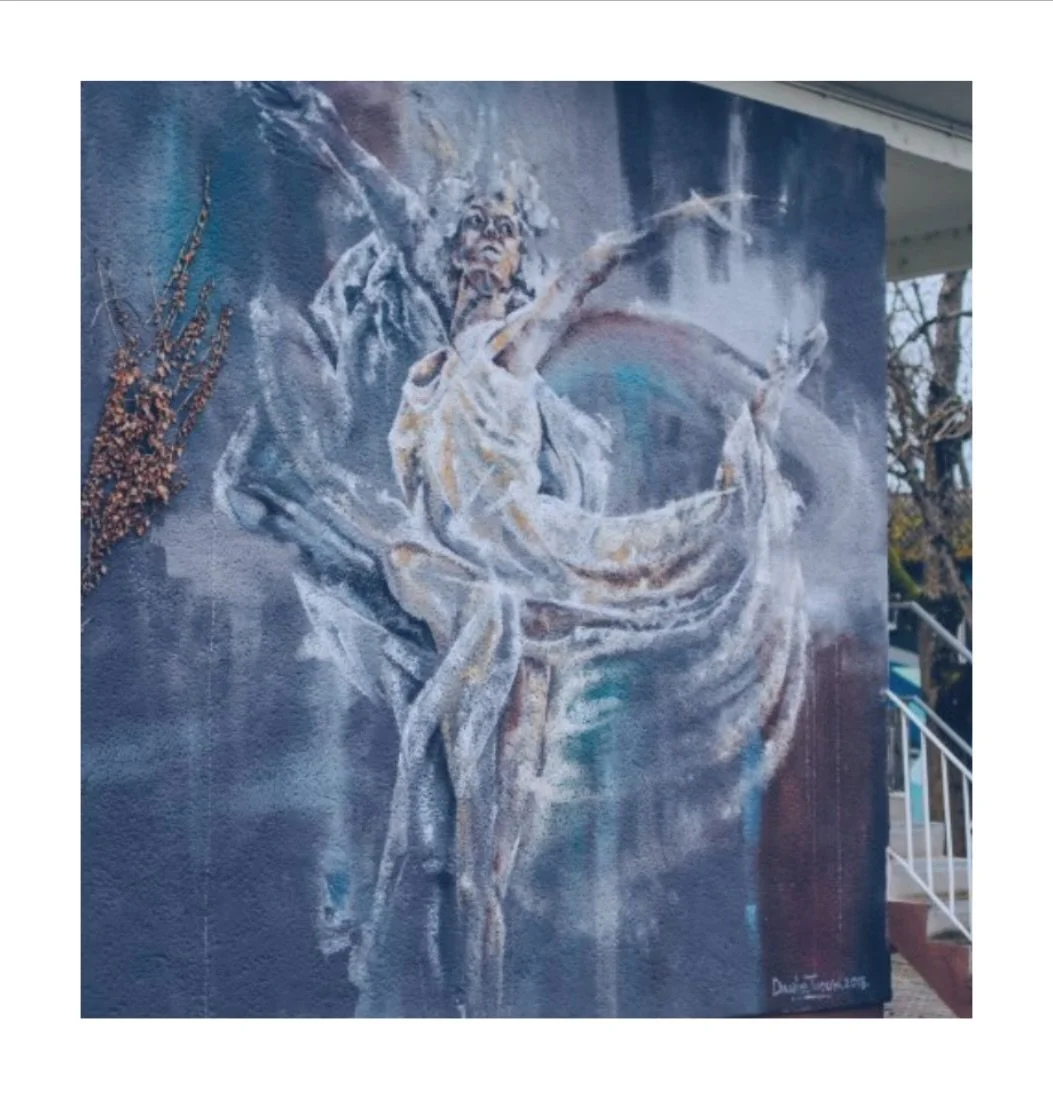
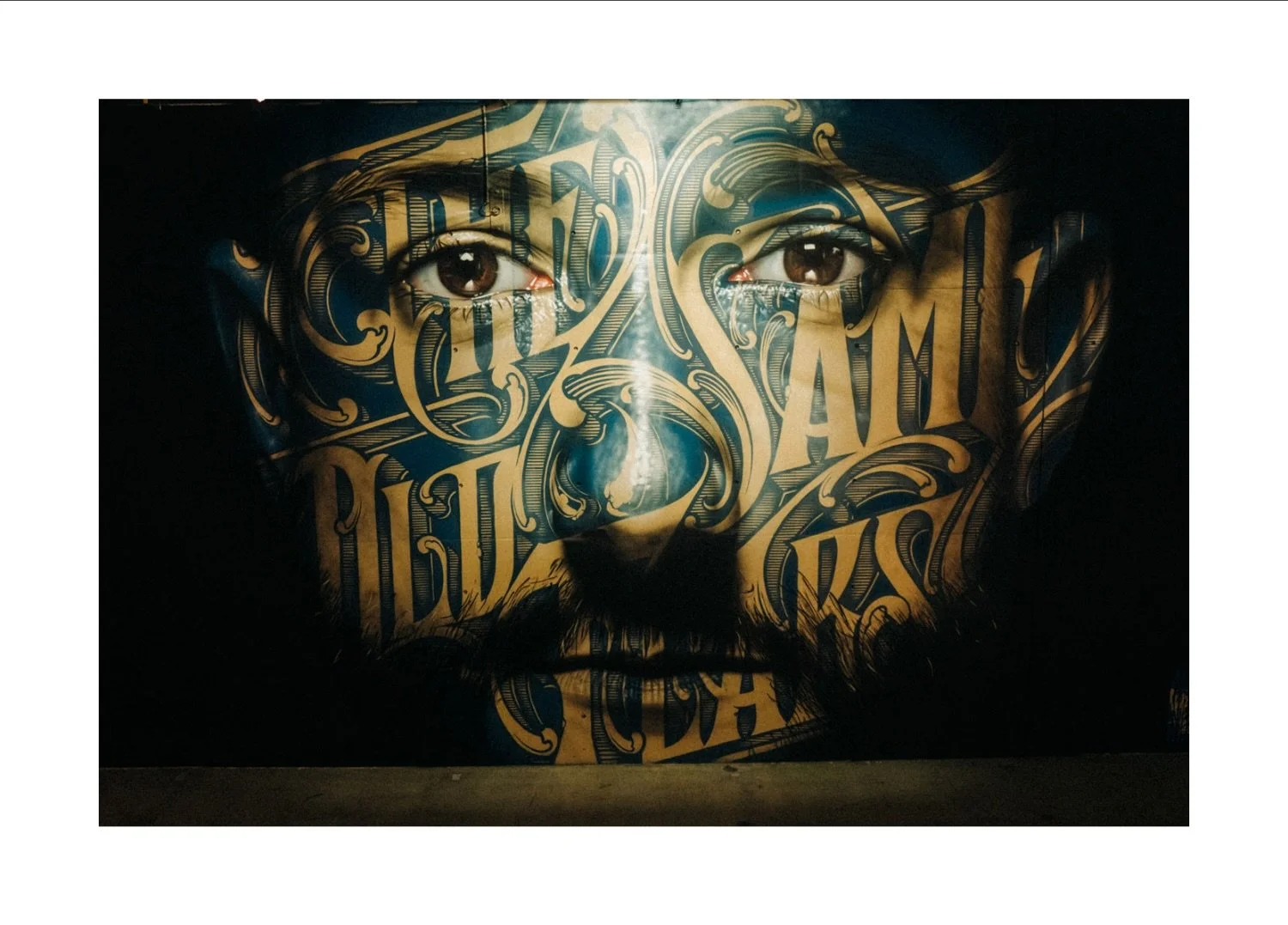
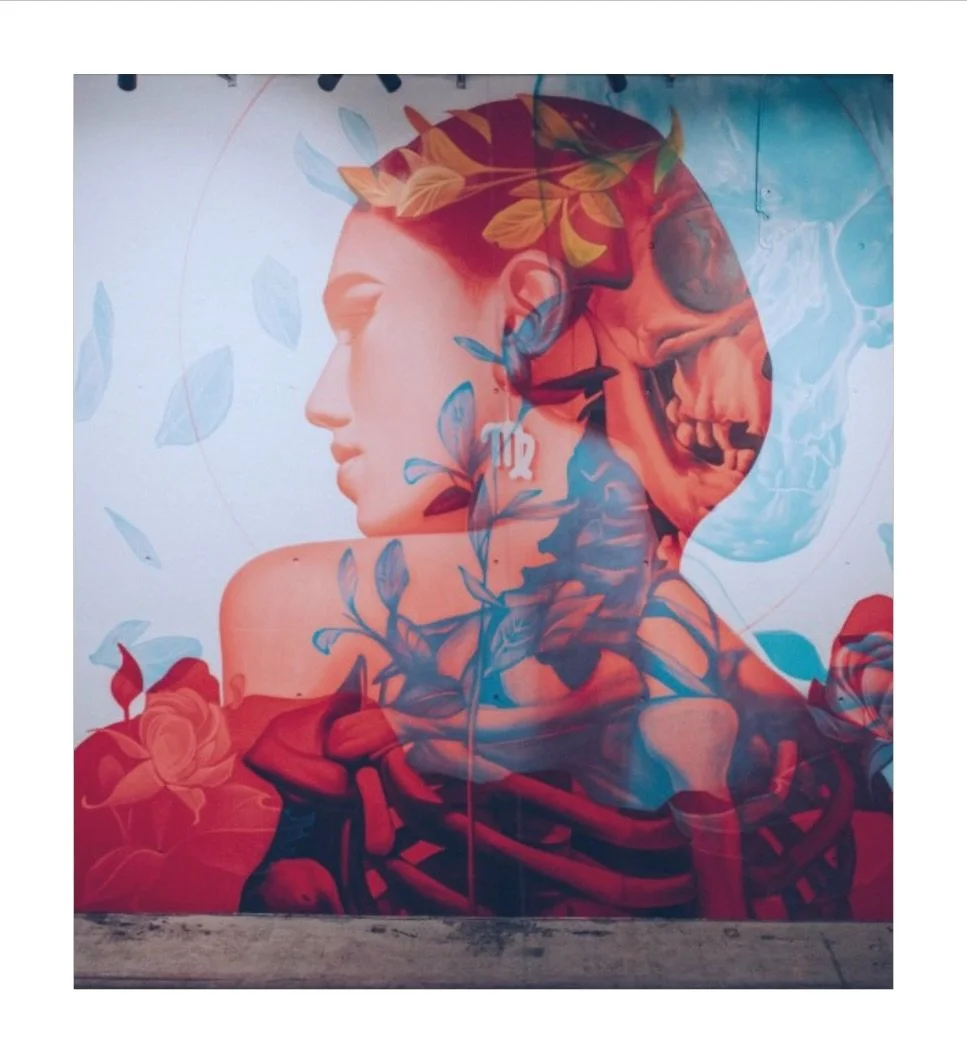
The provided text explores the significant cultural impact of urban creativity, particularly large-scale murals and street art, on the experience and function of cities. The author discusses how these immense artworks disrupt the everyday routine, forcing passersby into moments of reflection and challenging the commercial nature of urban spaces. Furthermore, the source emphasizes the importance of documenting this art and its surrounding context, detailing the author's preferred method of using analog photography to capture the transient and authentic nature of these expressions. Finally, the text touches on the ironic tension between street art's spontaneous, sometimes rebellious origins and its modern status as a recognized element of cultural infrastructure and a popular tourist attraction.

STREET INVISIBLE.

Today, I want to talk about why I keep returning to the street with a camera—and why the smallest, most unremarkable moments are often the ones that stay with me.

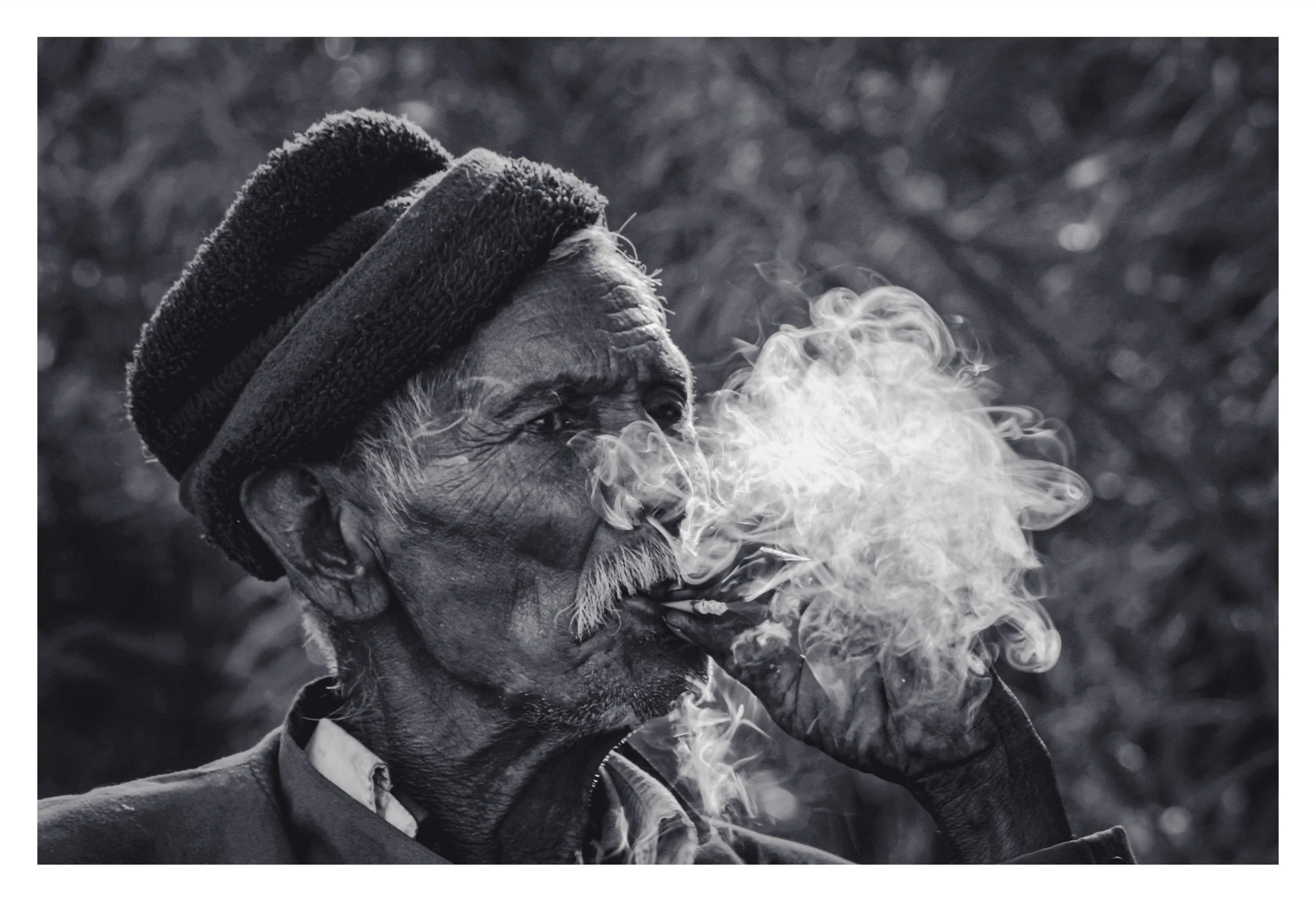
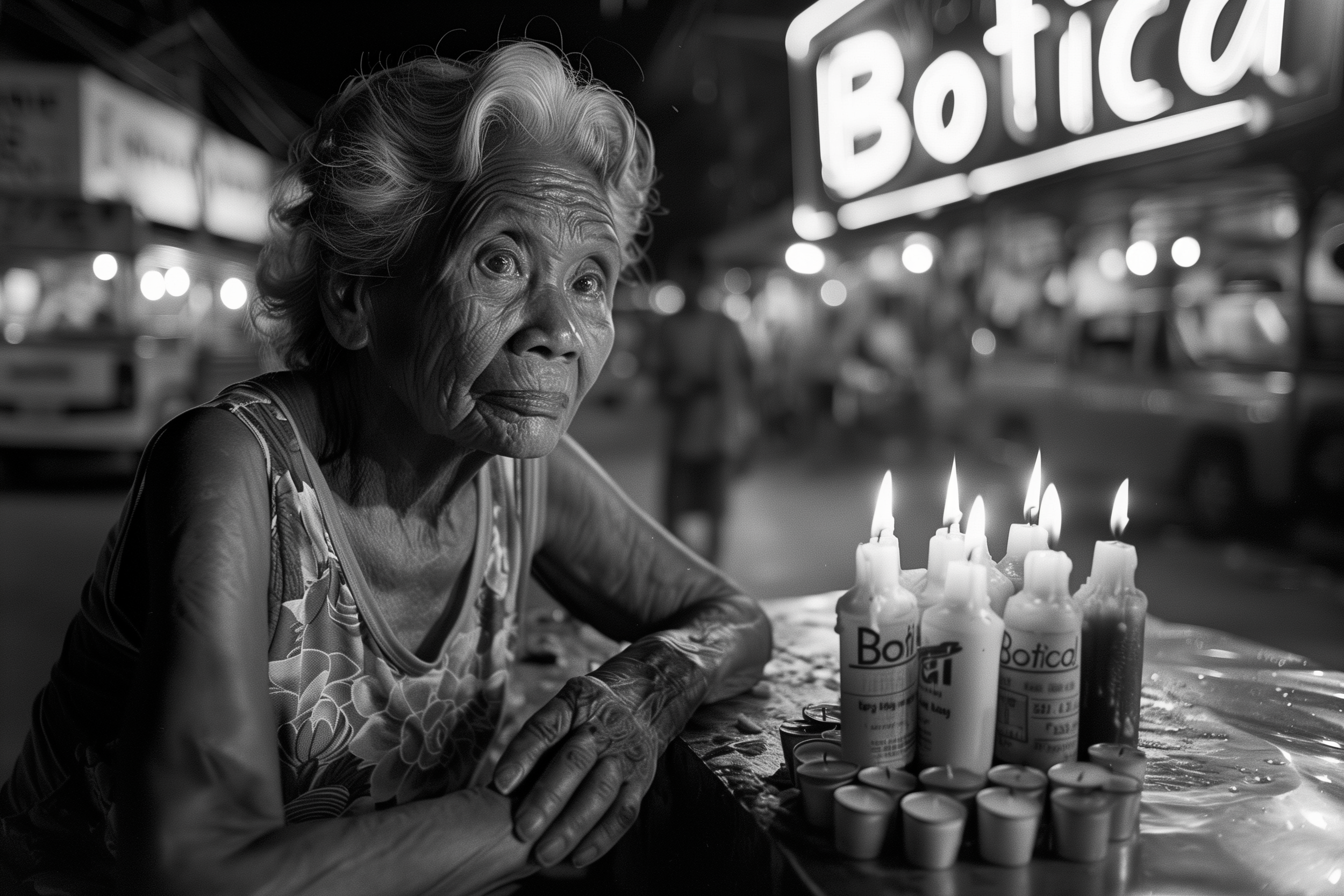
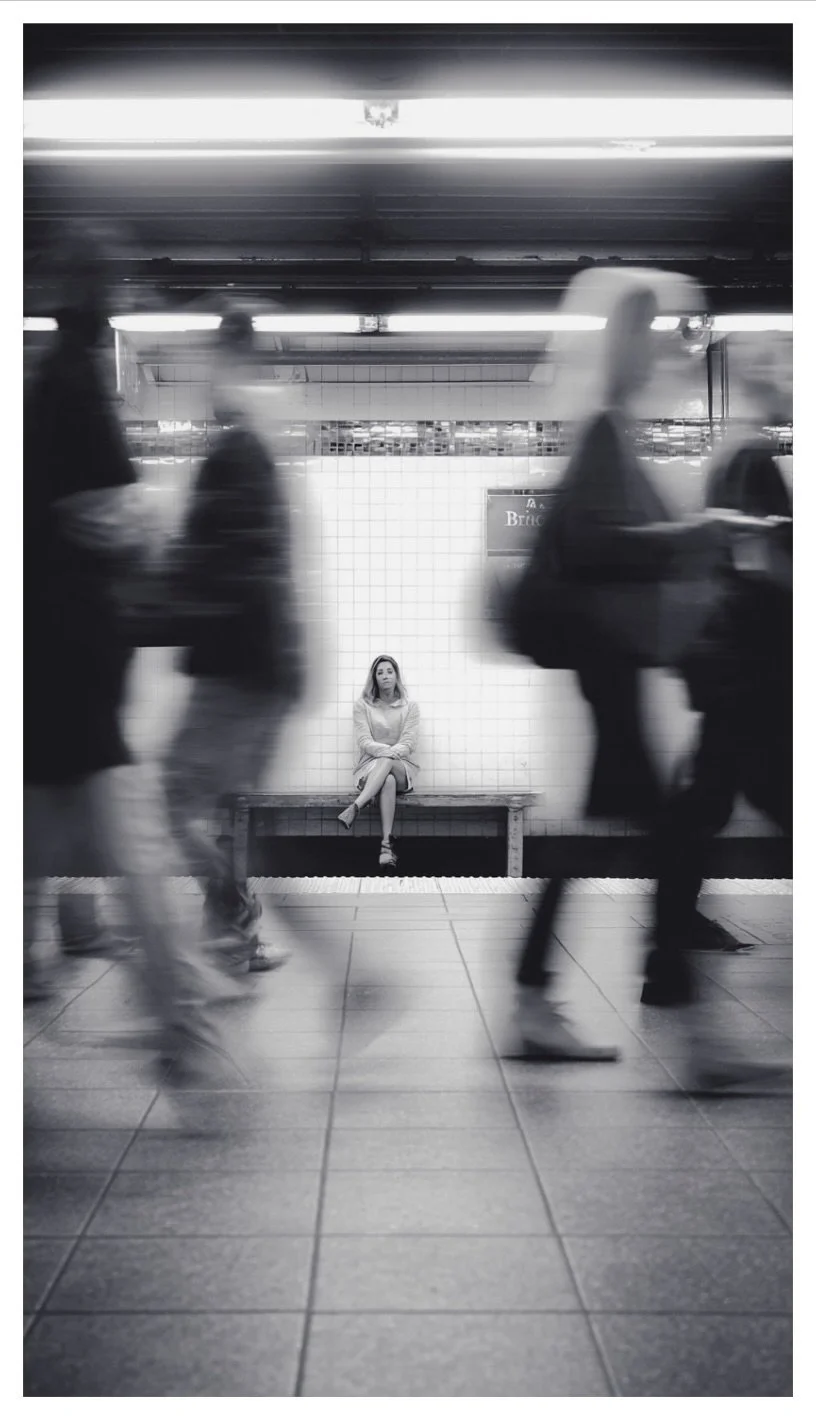
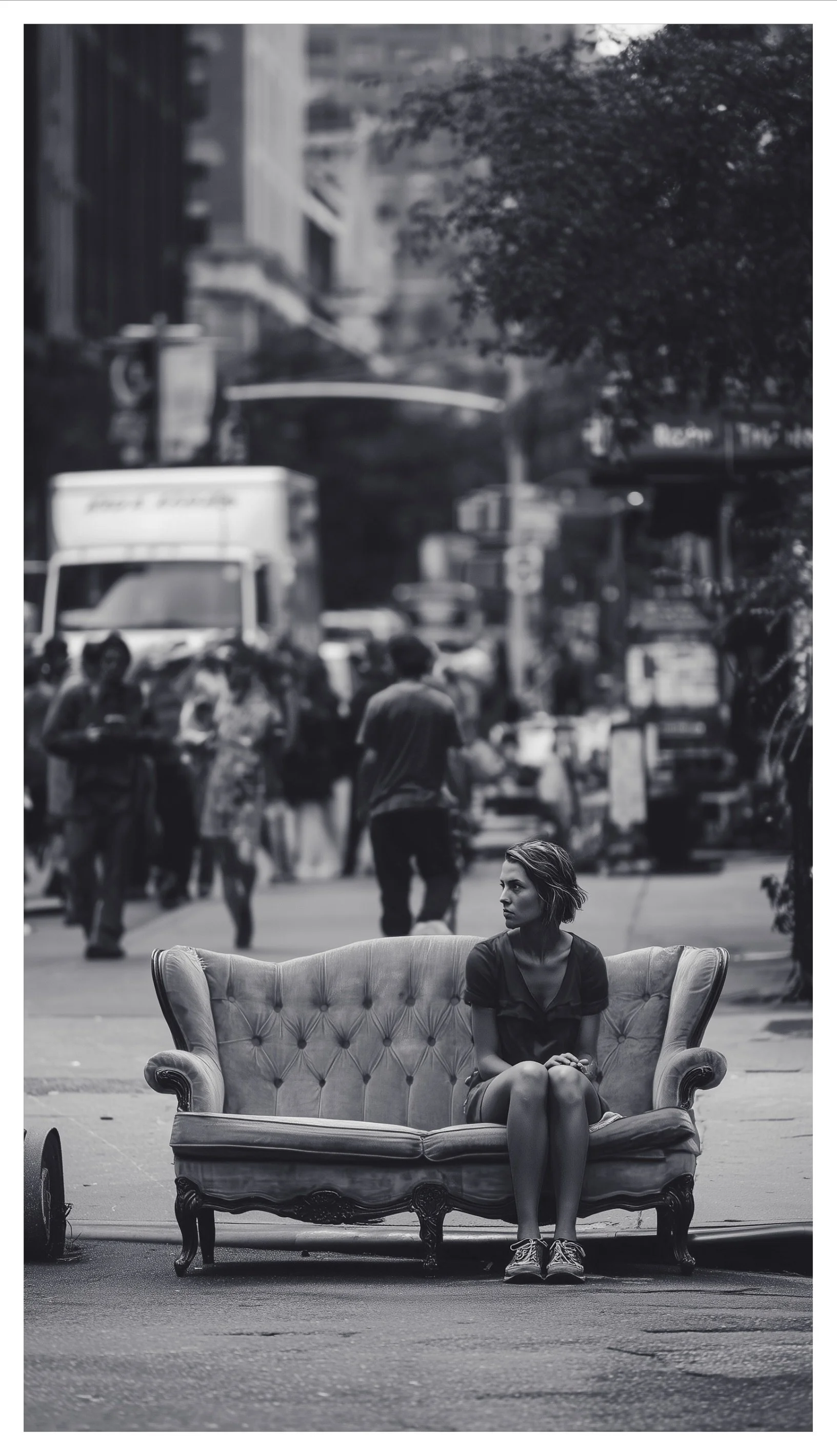
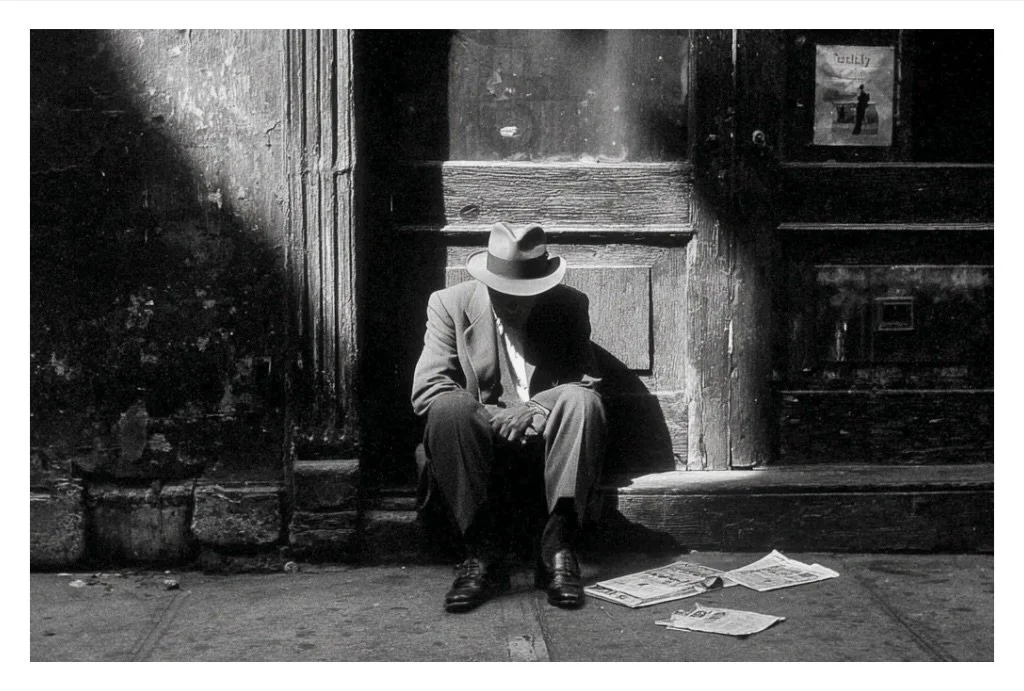
I try to approach people with empathy. I’m not hunting for characters or chasing spectacle. What interests me is the in-between: a gesture, a pause, a rhythm most people overlook. The bus stop, for example, is a perfect little theatre. Watch long enough and you’ll see entire emotional biographies unfold—philosophers staring into the distance, optimists checking their watches like time will negotiate, teenagers carrying the weight of existence before 9 a.m.

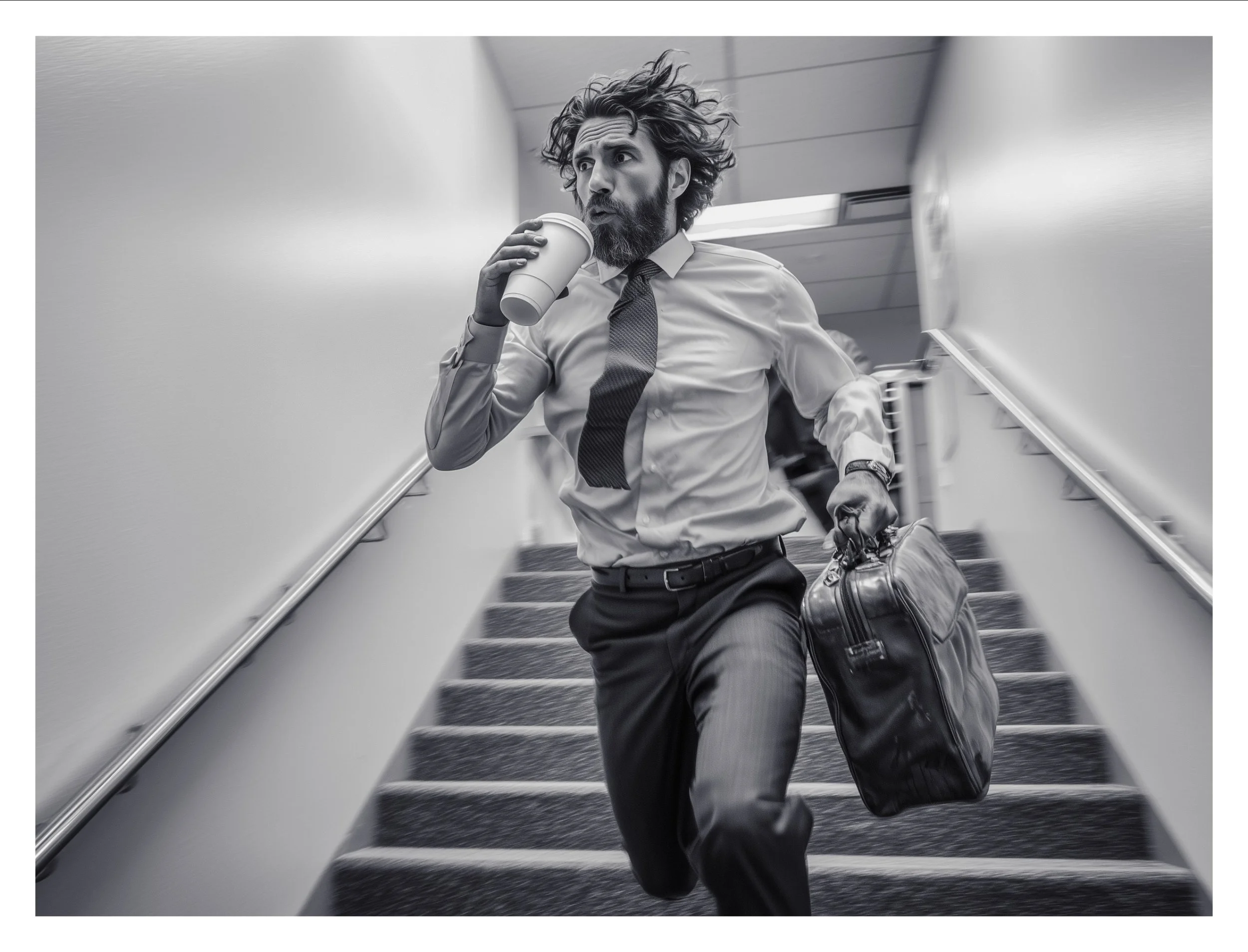
And then there’s the coffee drinker, holding their cup with the intensity of a bomb technician while the city chaotically swirls around them. These micro-scenes—tiny truths—are what make street photography worth it. They reveal humanity far more honestly than anything staged.

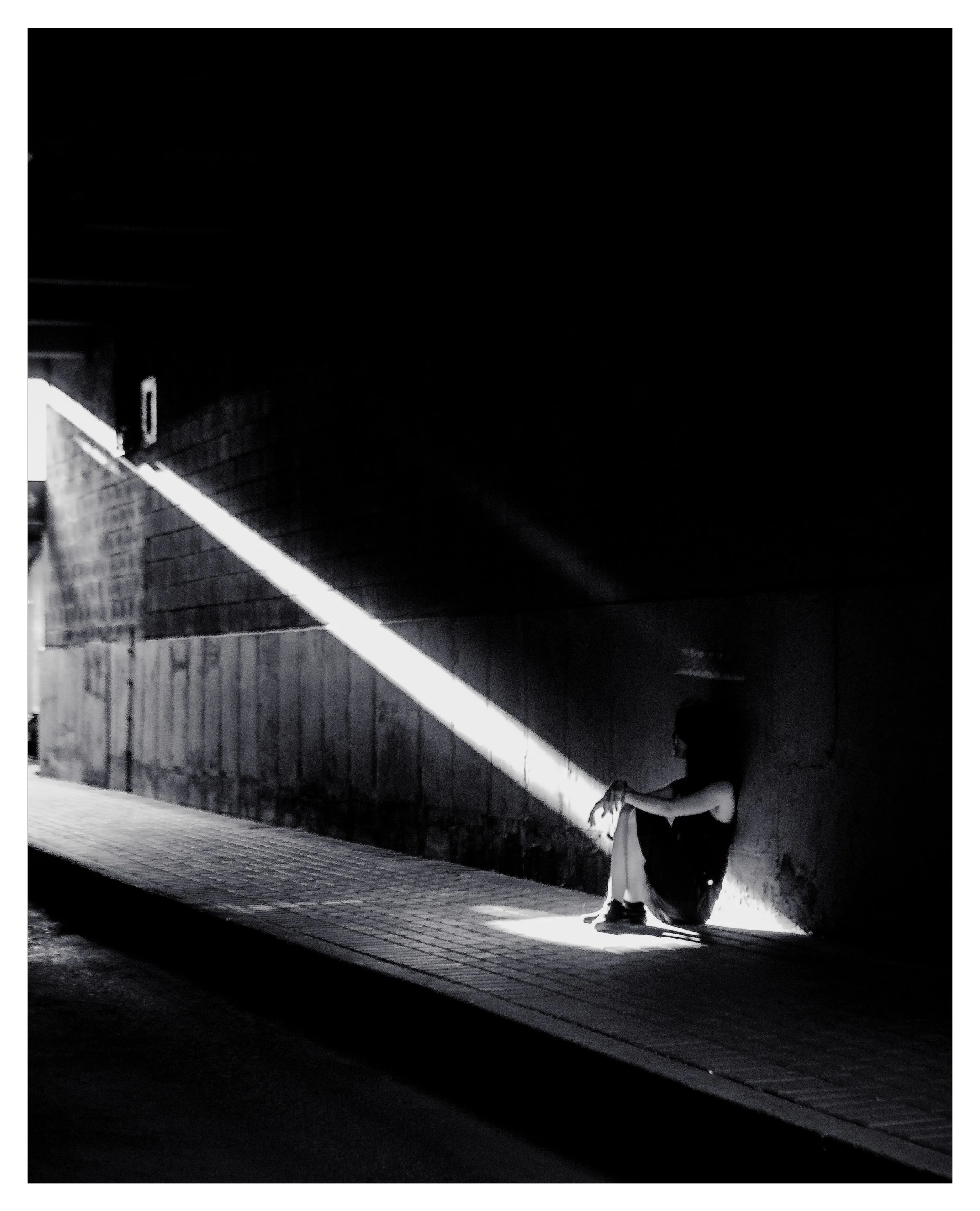
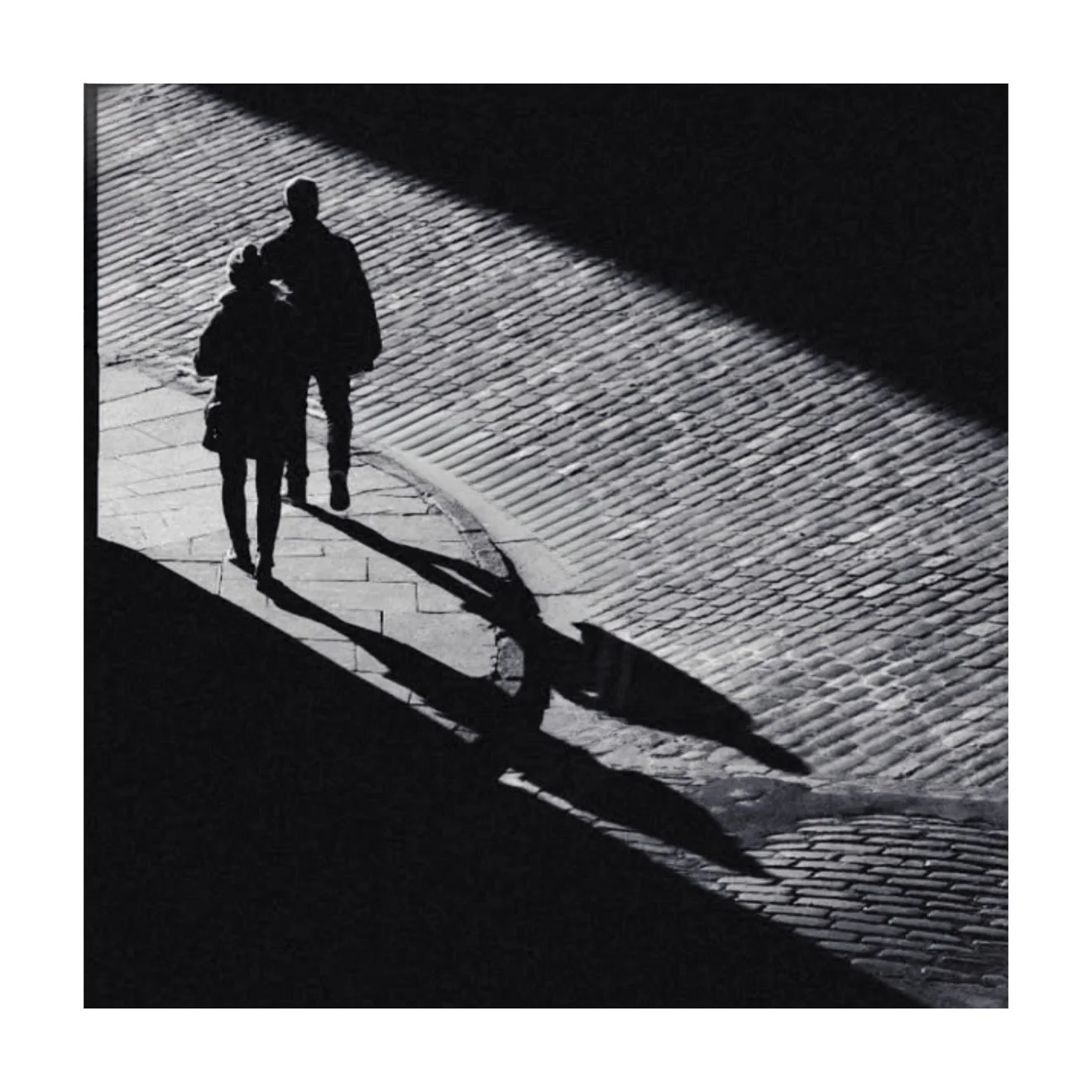
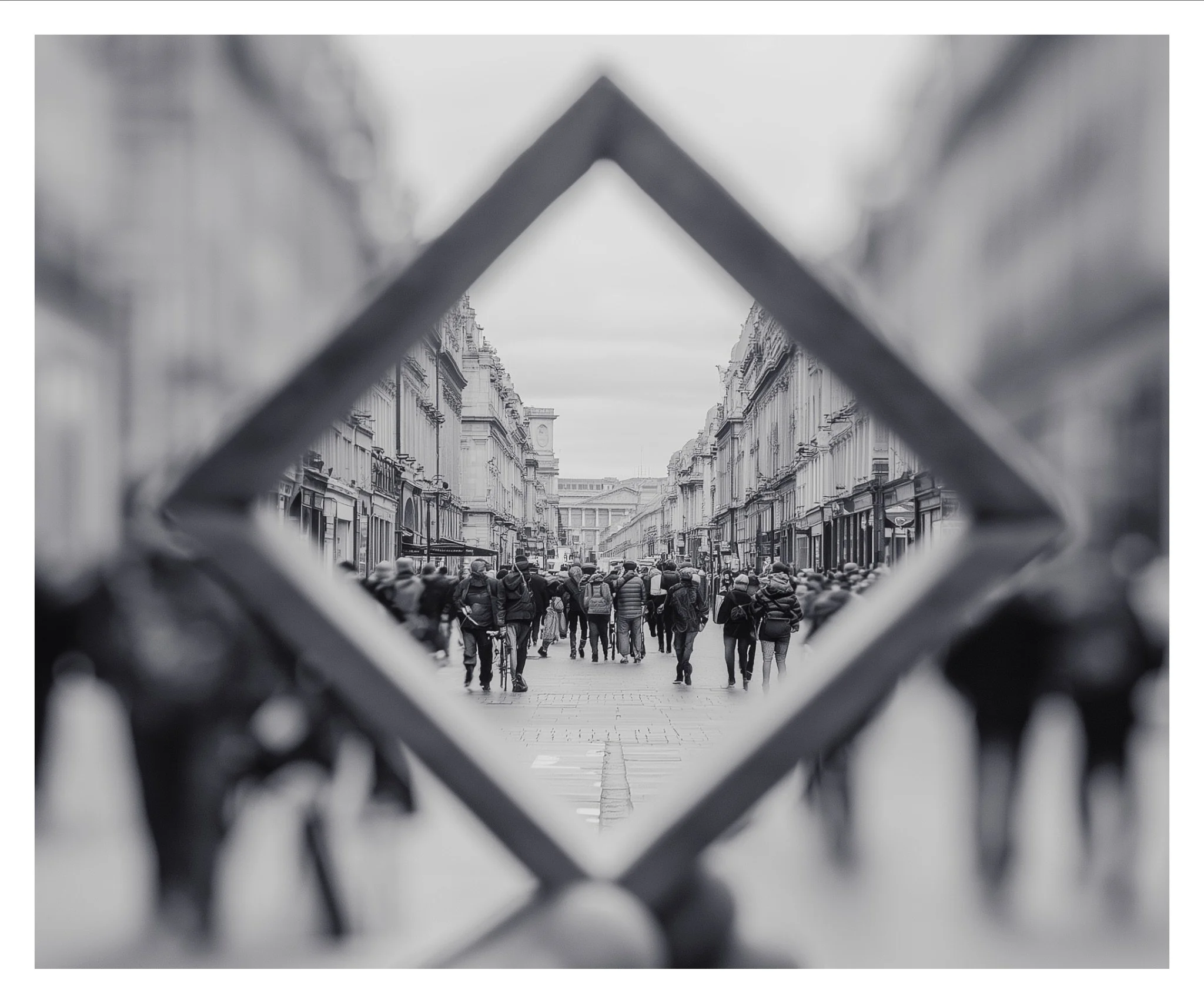
Cities, however, almost never give complete stories. They offer fragments: a silhouette cutting through light, a reflection that appears and vanishes, strangers gathered briefly at a crossing. Over time, I’ve learned to love these incomplete pieces, because that’s where images breathe. A photograph that doesn’t explain everything invites the viewer to linger.

Of course, the walk home is its own ritual. I return with full memory cards and unreasonable optimism, only to discover that my “masterpiece” is out of focus and the accidental shot I made while fiddling with my strap is the best thing of the day. Street photography humbles you quickly. The city doesn’t care about your expectations—it rewards presence, not ambition.

And that leads to the only real secret, which isn’t much of a secret at all:
Go out. Be present. Watch closely. Stay curious.

Everything else—gear, settings, theories—is just seasoning. What matters is meeting the street halfway, letting it rearrange itself moment by moment, and noticing the small truths before they disappear.

That’s why I keep doing this. Not for perfection, but for fragments—those fleeting, honest moments where the world quietly reveals itself and lets you press the shutter at just the right breath.

Makina chronicall

These excerpts offer a whimsical, almost surreal narrative centered on a photographer named Kiribane and his interaction with Martian visitors in Tampere, Finland. The core of the story revolves around the act of film photography with a specific, manual camera – the Plaubel Makina 67 – and its connection to capturing the "soul" of a post-industrial city. The tone is nostalgic, humorous, and deeply appreciative of analog processes and urban landscapes.

London calling

Join me on a journey through London’s streets as a I navigate the city's breathtaking contrasts—historic landmarks meet modern skyscrapers, unexpected encounters turn into fleeting moments of magic, and, of course, a series of hilarious mishaps unfold. From dodging tourists on Millennium Bridge to a near-disastrous puddle reflection gone wrong by The Shard, this episode captures the chaos and charm of photographing London.

Episode Highlights:

  • Capturing sunrise at Blackfriars Station—until coffee strikes.

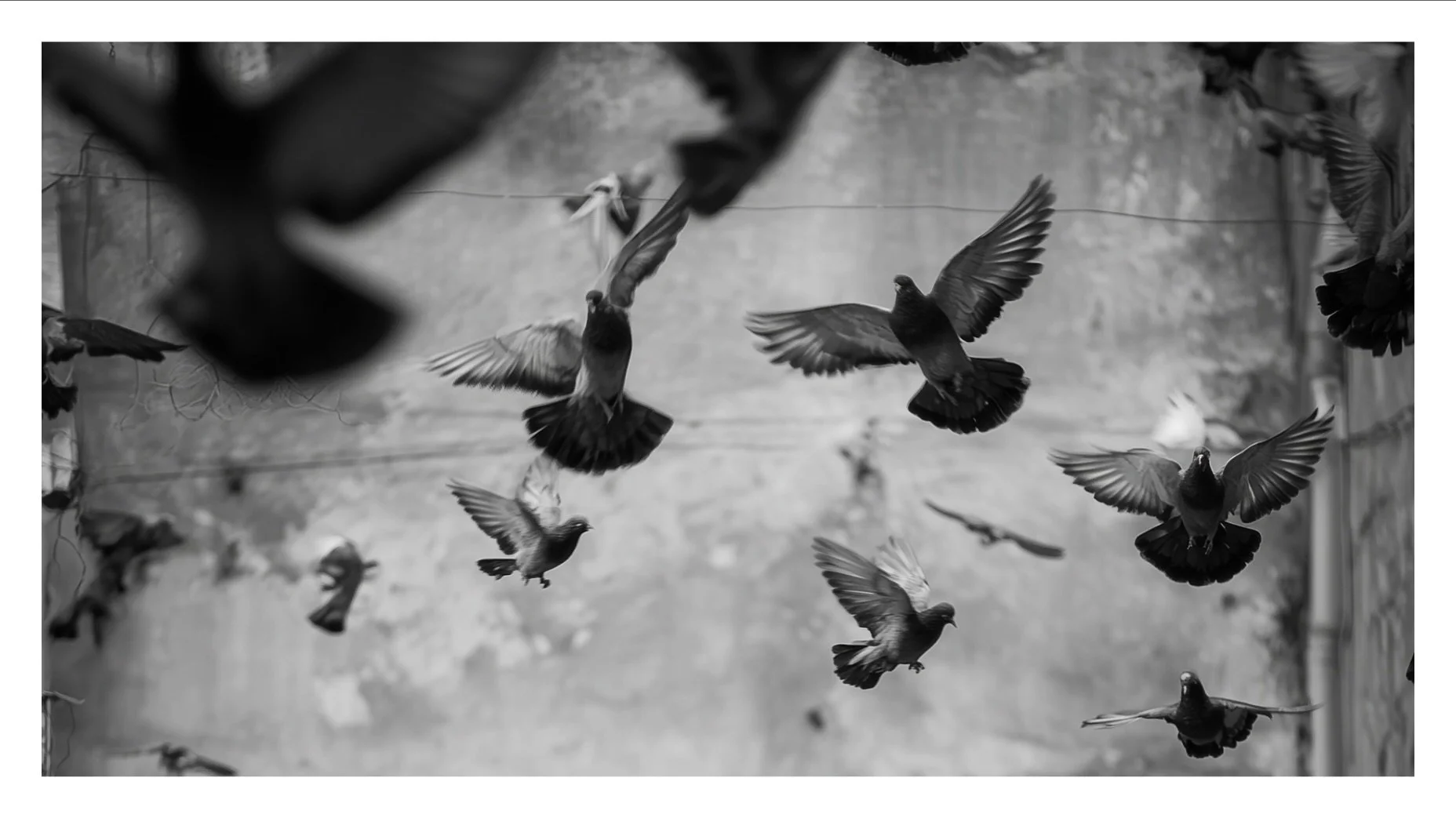
  • Pigeons with attitude at St. Paul’s Cathedral.

  • The drama of London’s unpredictable weather (and an ill-timed tidal wave).

  • A near-impossible alleyway standoff in the city’s narrowest passage.

  • The unexpected beauty of a rainy day in Postman’s Park.

Join the Conversation

Share your funniest photography mishaps or your favorite hidden London spots!

Malta's Allure

Malta's Enigmatic Allure: A Photographer's Journey with the Hasselblad 500C/M

Introduction:

Embarking on a photographic expedition to Malta, I was eager to capture the island's rich tapestry of history, culture, and natural beauty. Equipped with my trusty Hasselblad 500C/M, complemented by both film and a digital back, I anticipated a seamless blend of classic and contemporary photography. Little did I know, Malta had its own set of surprises in store.

Navigating Valletta's Labyrinth:

Upon arrival in Valletta, the capital city renowned for its baroque architecture and narrow streets, I was immediately struck by the city's charm. However, the combination of left-hand traffic—a vestige of British colonial influence—and the Hasselblad's waist-level viewfinder presented unique challenges. Composing shots required meticulous attention, especially when framing the city's iconic balconies and facades.

The Unpredictable Elements at Dingli Cliffs:

Determined to capture the dramatic vistas of the Dingli Cliffs at sunset, I set out with high expectations. The weather, however, had other plans. A sudden windstorm tested the stability of my tripod—a crucial accessory when working with the Hasselblad to ensure sharp images. Despite the gusts, the medium format negatives promised rich detail and dynamic range, capturing the interplay of light and shadow over the Mediterranean.

Discovering Gozo's Hidden Gems:

A ferry ride to the neighboring island of Gozo led me to the lesser-known Tal Mixta Cave. The cave's entrance was so inconspicuous that I nearly missed it, mistaking it for a mere shadow. Inside, the breathtaking view of Ramla Bay unfolded, framed naturally by the cave's arch—a scene that felt like a reward for the adventurous spirit.

Mdina's Timeless Appeal Amidst Modern Festivities:

The ancient city of Mdina, with its cinematic alleys, beckoned. As a "Game of Thrones" enthusiast, walking through the iconic city gate was a dream. However, my visit coincided with a local festival, and the streets were alive with modern food stalls and souvenir vendors. This juxtaposition of medieval architecture and contemporary hustle offered unplanned yet captivating photographic opportunities.

Marsaxlokk's Vibrant Chaos:

In Marsaxlokk, a picturesque fishing village, I aimed to capture the vibrant boats bobbing gently in the harbor. Instead, I was met with a bustling market day, where serene waters were obscured by stalls selling everything from fresh fish to artisanal crafts. The colorful chaos provided a different kind of photographic opportunity, showcasing the island's lively spirit.

*Reflections:*

Reflecting on my Maltese journey, it's evident that while the island may appear inconspicuous, it's brimming with character and surprises. The unexpected challenges and unplanned moments added depth to my experience, reminding me that the best stories—and photos—often emerge from the adventures we least anticipate.

Ten Tips for Hasselblad 500C/M Travel Photography:

Master the Waist-Level Viewfinder: Composing images through the waist-level finder offers a unique perspective but requires practice to get accustomed to the reversed image.

Carry a Reliable Light Meter: The Hasselblad 500C/M lacks a built-in light meter. Investing in a quality handheld meter ensures accurate exposure readings, especially crucial when shooting film.

Pack Multiple Film Backs: Having extra film backs allows for quick changes between different film types or speeds, providing flexibility in varying lighting conditions.

Be Mindful of Shutter and Film Advancements: Remember that the Hasselblad requires manual cocking of the shutter and advancing of the film. Develop a consistent routine to avoid double exposures or missed frames.

Secure a Sturdy Tripod: The weight of the Hasselblad, combined with the need for precise composition, makes a stable tripod essential, especially in low-light situations.

Consider a Digital Back for Versatility: Attaching a digital back can offer immediate feedback and the convenience of digital storage while retaining the classic handling of the 500C/M.

Protect Against the Elements: Medium format equipment can be sensitive to environmental factors. Use protective gear to shield your camera from dust, moisture, and extreme temperatures.

Engage with Locals Respectfully: Building rapport can lead to more authentic and candid shots. Always ask for permission when photographing individuals, respecting their privacy and culture.

Plan for Film Storage: Ensure you have adequate storage for exposed and unexposed film rolls. Consider temperature when storing film to maintain its integrity.

Embrace the Deliberate Process: Shooting with the Hasselblad 500C/M encourages a thoughtful approach. Embrace the slower pace, and let each frame be a mindful composition.

Conclusion:

Thank you for joining me on this journey through Malta's enigmatic landscapes. Remember, whether you're capturing moments on film or digitally, the essence of photography lies in the stories we tell and the experiences we embrace. Until next time, keep exploring and capturing the world through your unique perspective.