Winter still ongoing
Winter has a terrible reputation. Too cold, too dark, too wet, too inconvenient. Cars refuse to cooperate, trains develop personality disorders, and gardens look like they’ve given up on life entirely. From a purely human comfort perspective, winter is a hard sell. From a photographic point of view, however, winter is quietly brilliant, and slightly smug about it.
Let’s start with light, because winter light is doing most of the heavy lifting here. The sun rises late, sets early, and never climbs very high. This sounds depressing until you realize what it means for photography: soft, directional light all day long. No brutal midday sun, no frantic sunrise sprints at 4:30 a.m. You can leave the house like a functional adult, shoot for hours, and still be home before dinner. On cold, clear mornings the sun often looks oversized and diffused, scattering through frost and ice in a way that feels almost theatrical. It’s generous light, and it sticks around.
Then there’s snow, which is beautiful, uncooperative, and mildly insulting to your camera’s metering system. Cameras, being literal-minded machines, insist on turning all that glorious white into a dull mid-grey. Left unattended, your winter wonderland will look like a badly lit car park. The fix is exposure compensation and a bit of backbone. You push the exposure until the histogram creeps right up to the edge without blowing highlights. Sometimes that’s one stop, sometimes two, sometimes more. The number doesn’t matter. Detail does. Snow should look like snow, not wet concrete with self-esteem issues.
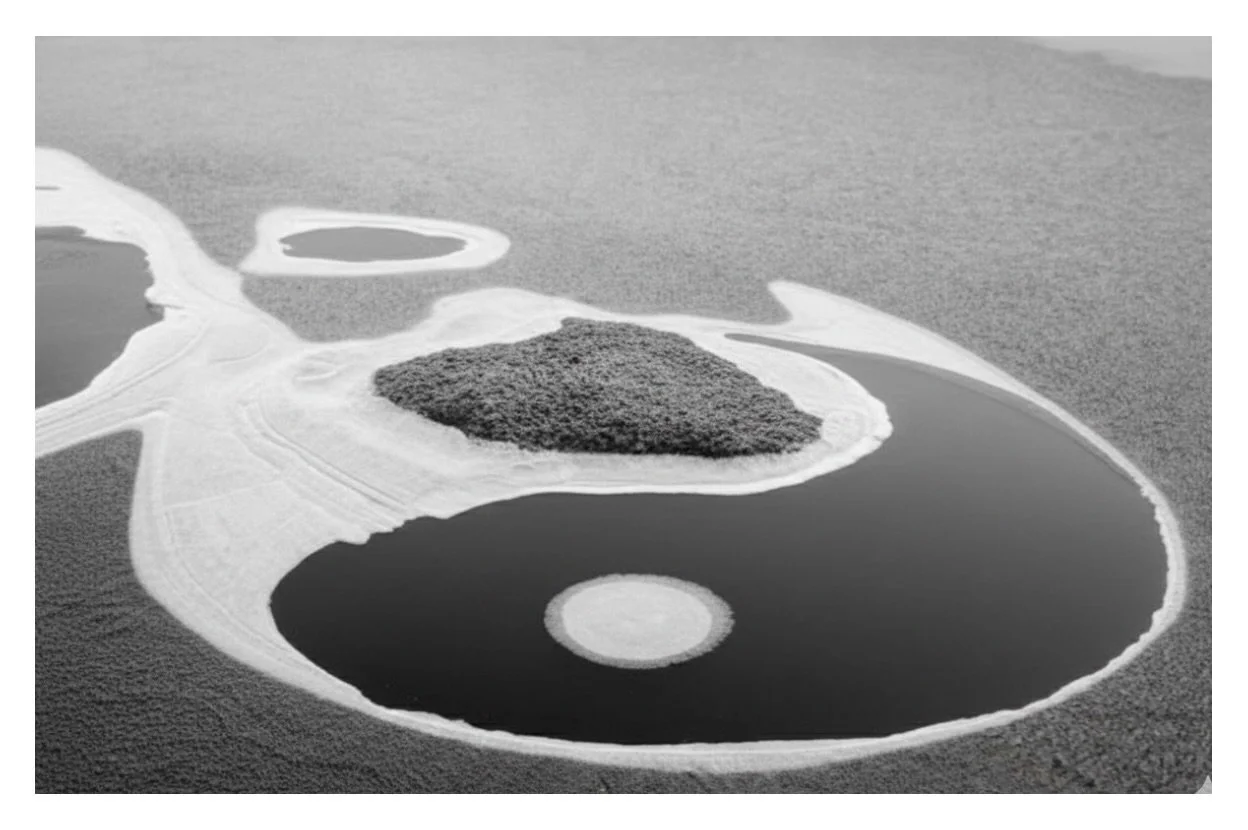
Ice deserves its own moment of appreciation. Frozen lakes, puddles, and river edges turn into abstract art galleries overnight. Bubbles trapped beneath the surface, cracks spreading like shattered glass, subtle curves formed as water slows and stiffens. You can spend hours on one stretch of shoreline and walk away with a completely different image every few minutes. Macro lenses are great, but honestly, almost anything works if you slow down and look properly. The only hard rule here is survival. Thin ice does not care about your portfolio.
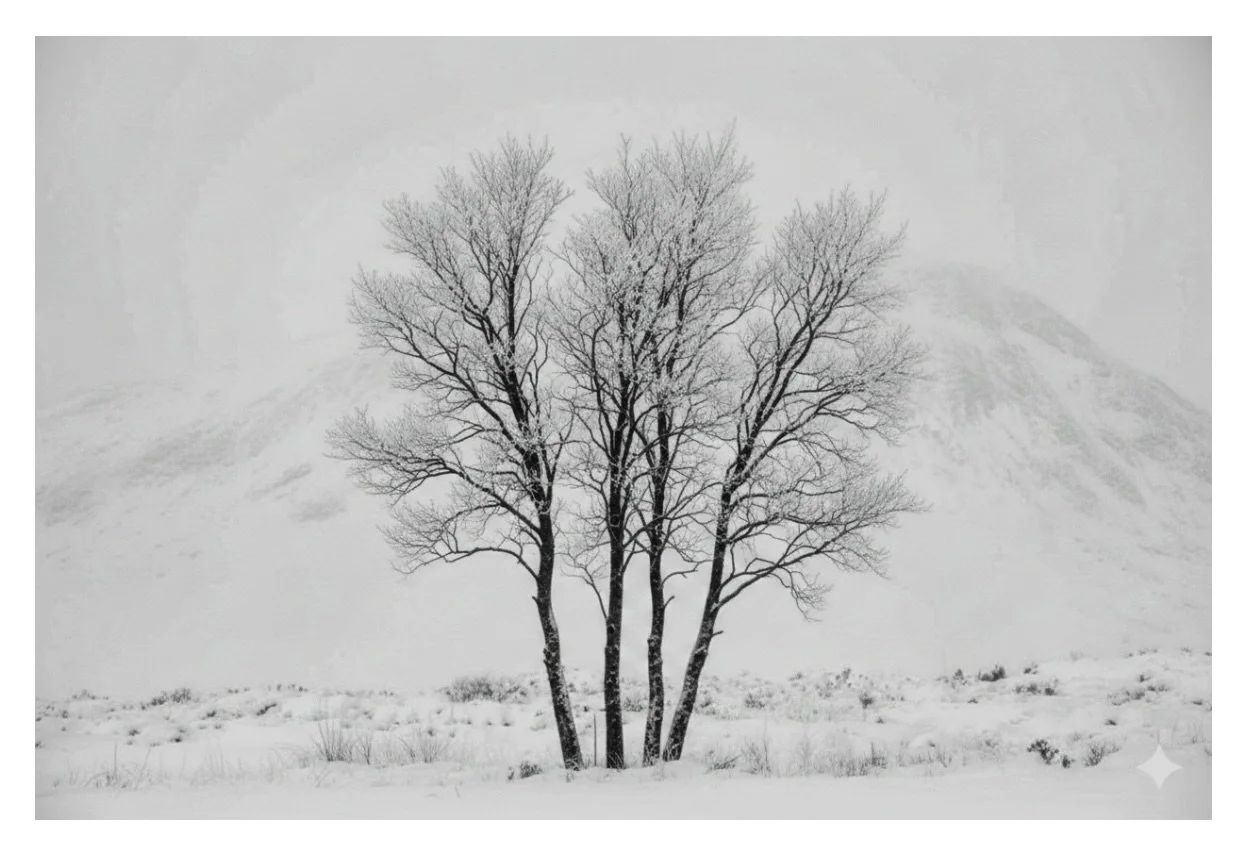
Fresh snow simplifies everything, and simplification is a gift. Shapes become clearer, lines more deliberate, compositions cleaner. A fence post suddenly matters. A single set of footprints can carry an image or ruin it, depending on how clumsy you were five minutes earlier. Early morning is ideal, before the world has trampled all over your foreground. Grey days, which photographers usually complain about, suddenly become useful. Flat light plus white ground equals minimalist heaven.
If you want the full winter experience, hills and uplands tend to deliver. The weather is harsher, the temperatures lower, and the rewards higher. Low sun throws long shadows that carve texture into snow and reveal the shape of the land. You just need to think before you walk, because nothing kills a promising scene faster than your own boot prints zigzagging through the foreground like a bad decision trail.
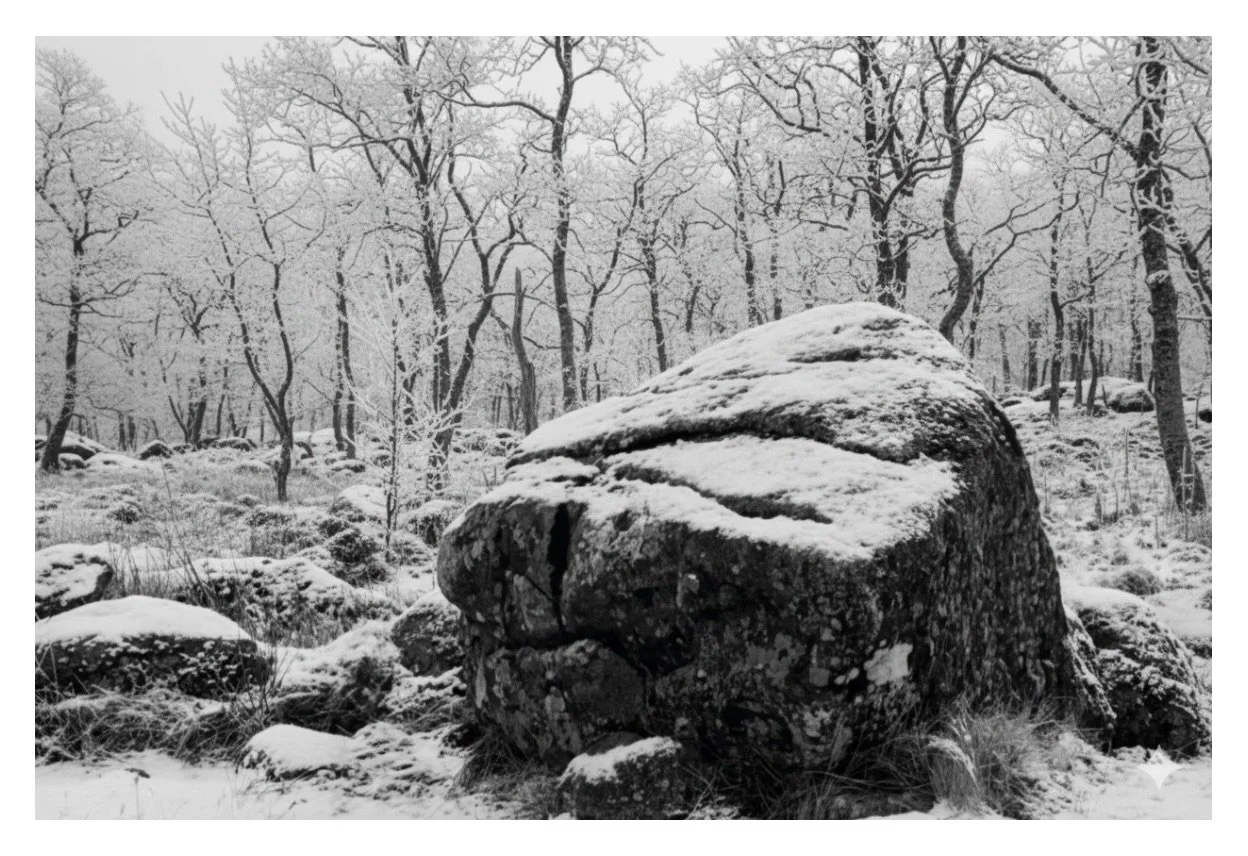
And finally, winter quietly hands you an excuse to shoot black and white without having to justify it. When colour packs its bags and leaves for the season, form, contrast, and tone take over. Trees become lines, fields become planes, and distractions politely disappear. In winter, black and white doesn’t feel nostalgic or forced. It feels honest.
So yes, winter is inconvenient. Your fingers go numb, batteries drain faster than your patience, and everything takes longer. But visually, winter is disciplined, stripped back, and confident enough not to shout. If you pay attention to exposure, light, and detail, it will do most of the work for you. The cold is temporary. The images last longer.