Londoner
Street Photography Like a Londoner
How to Approach a New City With Awareness, Calm, and Curiosity
Approaching a new city with a camera can feel overwhelming. New rhythms, unfamiliar faces, different rules of distance and interaction. London, however, offers a useful mindset for street photography anywhere in the world. Not because London is spectacular, but because it is lived-in, layered, and quietly expressive.
Think of this approach as LONDONER. Not a checklist, but an attitude. A way of walking, seeing, and reacting. Street photography like a Londoner is less about chasing moments and more about allowing them to happen.
L – Loosen Up
The first mistake in a new city is tension. You arrive alert, guarded, camera gripped too tightly. London teaches the opposite. People move fast, but emotionally they keep distance. If you appear nervous, you stand out. If you relax, you disappear.
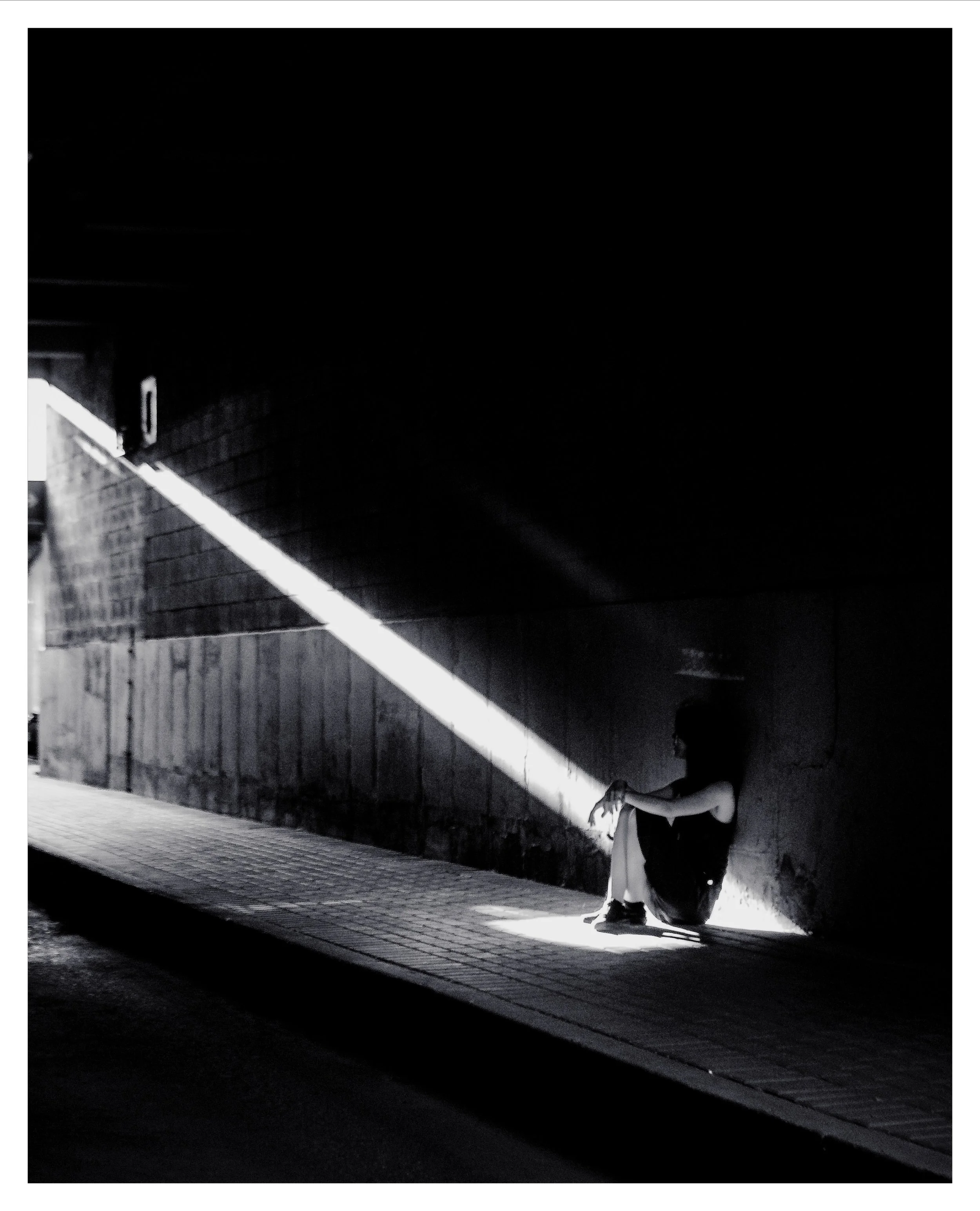
Loosening up means accepting that you will miss shots. It means not forcing yourself to photograph everything. Walk without shooting for the first hour. Let your shoulders drop. Match the pace of the street. The calmer you are, the less intrusive your presence becomes.
Street photography starts before the camera is lifted.
O – Open Mind
London is built on contradiction. Wealth and decay, tradition and absurdity, politeness and indifference. To photograph it well, you must suspend judgement.
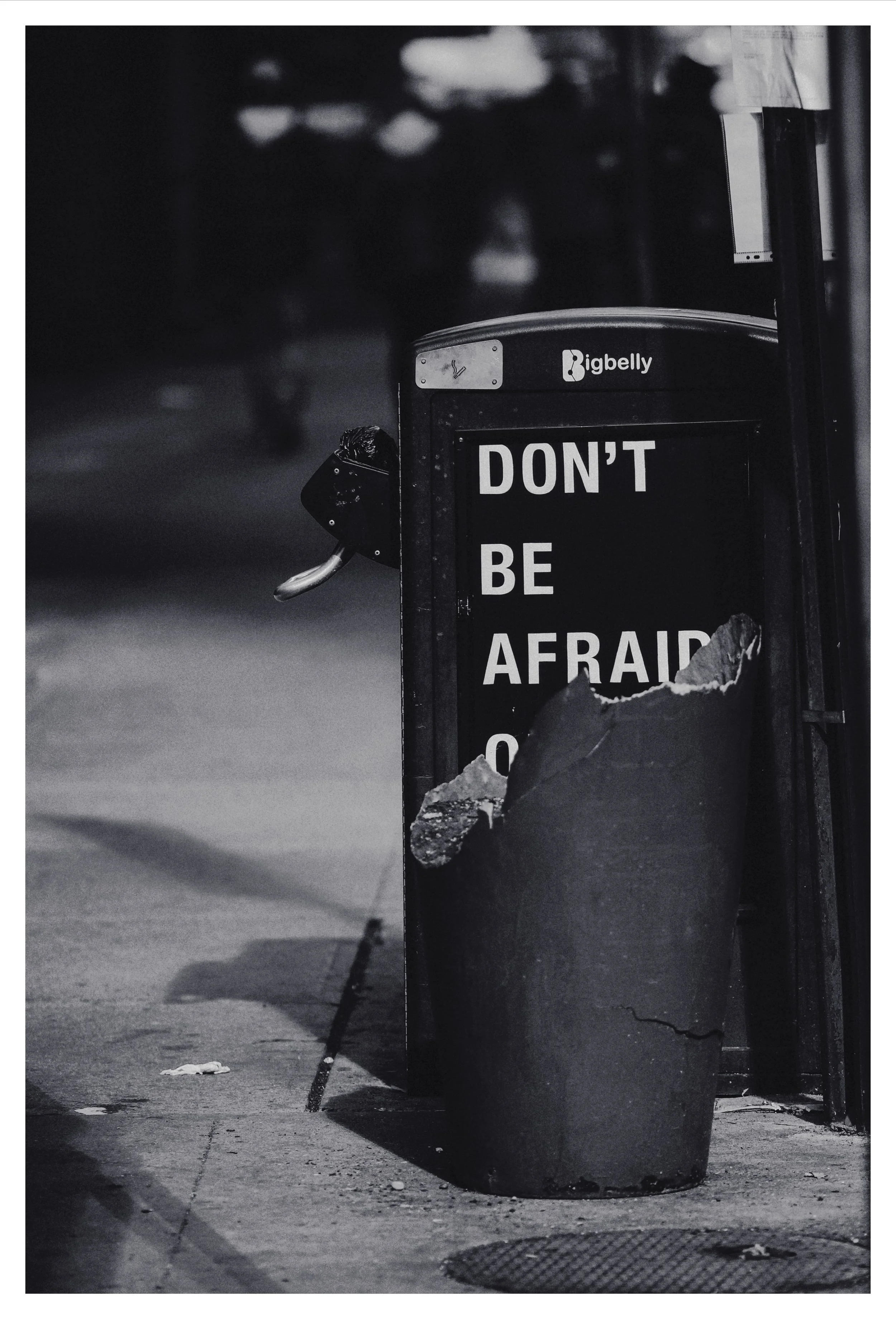
An open mind means not deciding too early what “good” street photography looks like. It means allowing ordinary scenes to matter: a commuter staring at nothing, a half-torn poster, a reflection in a bus window. London rewards photographers who stop searching for drama and start accepting ambiguity.
When entering any new city, forget your visual habits. Let the place teach you its language before you try to speak.
N – Notice
London does not shout. It murmurs.
Street photography like a Londoner is built on noticing small shifts: a change in light between buildings, a gesture repeated across different people, a colour echoing in unrelated scenes. Nothing here is isolated. Everything connects subtly.
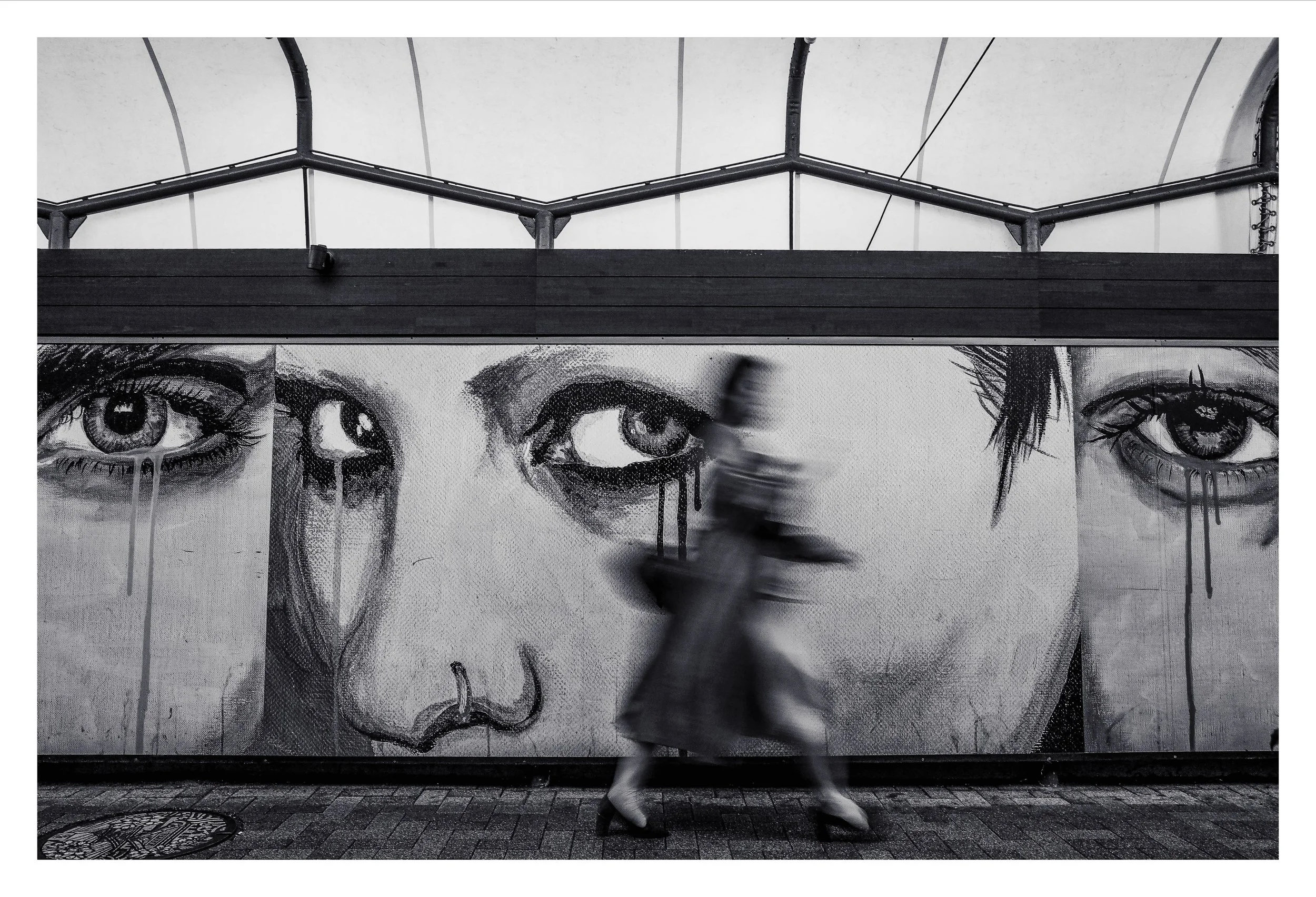
Train yourself to notice patterns rather than events. Watch how people hold their phones, how they wait, how they avoid eye contact. Notice signage, textures, layers of time on walls. The city offers quiet stories to those who slow down enough to read them.
Noticing is a discipline. It improves long before your photography does.
D – Drive
Despite its calm exterior, London moves with purpose. Everyone is going somewhere. Street photography here benefits from adopting that sense of direction.
Drive does not mean rushing. It means intention. Know why you are out. Decide on a simple rule for the day: one lens, one street, one hour. Londoners respect routine, and the street responds well to consistency.
When you move with purpose, people accept you as part of the flow. Hesitation draws attention. Confidence blends in. Even if you feel unsure, move like you are exactly where you should be.
O – Optimism
London weather is famously unforgiving, and yet the city functions regardless. Street photography like a Londoner requires optimism without expectation.
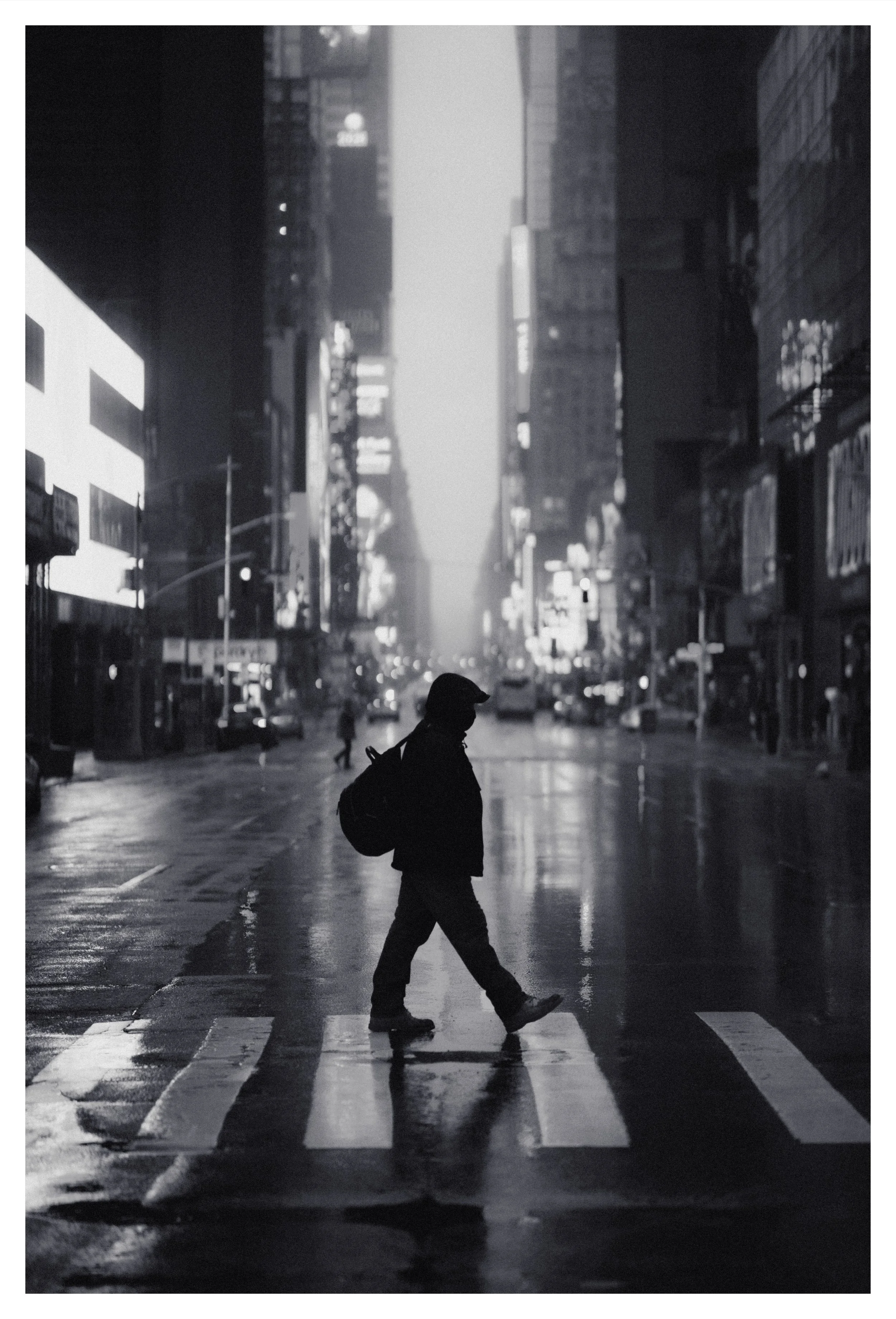
Rain is not a problem. Grey light is not a failure. Missed shots are not wasted time. Optimism means trusting that something will emerge if you stay present long enough.
In a new city, frustration arrives quickly. The light is wrong, the people turn away, the streets feel empty. Optimism keeps you shooting. It allows you to find value in restraint and subtlety rather than spectacle.
The best images often come after you think nothing is happening.
N – Natural
Nothing feels staged in London unless it actually is. Street photography here works best when it is discreet and natural.
Avoid excessive gestures, sudden movements, or confrontational angles. Keep the camera close to your body. Shoot from the chest if necessary. Let scenes unfold without interference.
Being natural also applies to yourself. Do not pretend to be fearless. Do not force closeness. Respect distance. London teaches that personal space is part of the visual language. The more you honour it, the more authentic your images become.
You are not hunting moments. You are witnessing them.
E – Energy
London’s energy is restrained but constant. It is not explosive; it hums.
As a photographer, tune into that frequency. Observe how crowds compress and expand, how traffic pauses and releases, how silence appears briefly even in busy places. Energy is not always visible in faces; sometimes it exists between people.
In a new city, energy reveals itself through repetition. Spend time in one location. Watch how scenes evolve. The longer you stay, the more the city forgets you are there.
Energy rewards patience, not aggression.
R – Reflect
Finally, reflection separates snapshots from street photography.
London encourages reflection because it does not give immediate answers. After shooting, review your images slowly. Ask what attracted you, not whether the image is “strong.” Look for recurring themes. Distance. Waiting. Movement. Isolation. Irony.
Reflection also happens in the street. Pause. Watch. Think before moving on. Reflection sharpens intuition and reduces noise in your work.
In a new city, reflection prevents imitation. It helps you understand how the place interacts with your own way of seeing.
Street Photography Like a Londoner
To photograph a city like London—or any city, really—is to accept restraint. To value subtlety over spectacle. To move calmly through complexity.
The LONDONER mindset is portable. It works in Berlin, Tokyo, Mumbai, or a small town you think you already know. It reminds you that street photography is less about courage and more about awareness.
Loosen up.
Open your mind.
Notice quietly.
Move with drive.
Stay optimistic.
Remain natural.
Tune into energy.
Reflect often.
Do that, and the city will eventually reveal itself—not all at once, but honestly.