Three Days, Sixty Kilometers and a Family Tree
Three Days, Sixty Kilometers a Day, and a Camera That Apparently Needs a Family Tree
There’s nothing quite like stepping off a train into air that isn’t trying to kill you. Weeks of riding through heat that had turned my saddle into a frying pan, and Berlin handed me twenty-three degrees, a light breeze, and clouds that looked purely decorative. I stood on the platform for a second, half convinced Deutsche Bahn had dropped me in Denmark by mistake.
Savanna came out of the carriage behind me, unbothered as ever. She’s an e-bike who’s crossed borders, climbed alpine passes, and survived enough station chaos to have earned frequent-flyer status, so this was nothing new to her. A few people on the platform gave us that particular Berlin glance — not rude, not curious, just a flicker of I’ve registered that something odd is happening here, and it is not my concern.
Getting a thirty-kilogram bike onto a train is an act of pure optimism. The timetable promises precision; reality delivers a broken lift, a last-minute platform change, and a conductor cheerfully pointing you toward bike carriage twenty-three, which turns out to be at the far end of a two-hundred-metre train. You learn to move fast, mostly because the alternative is hauling a bike up three flights of stairs before you’ve had coffee.
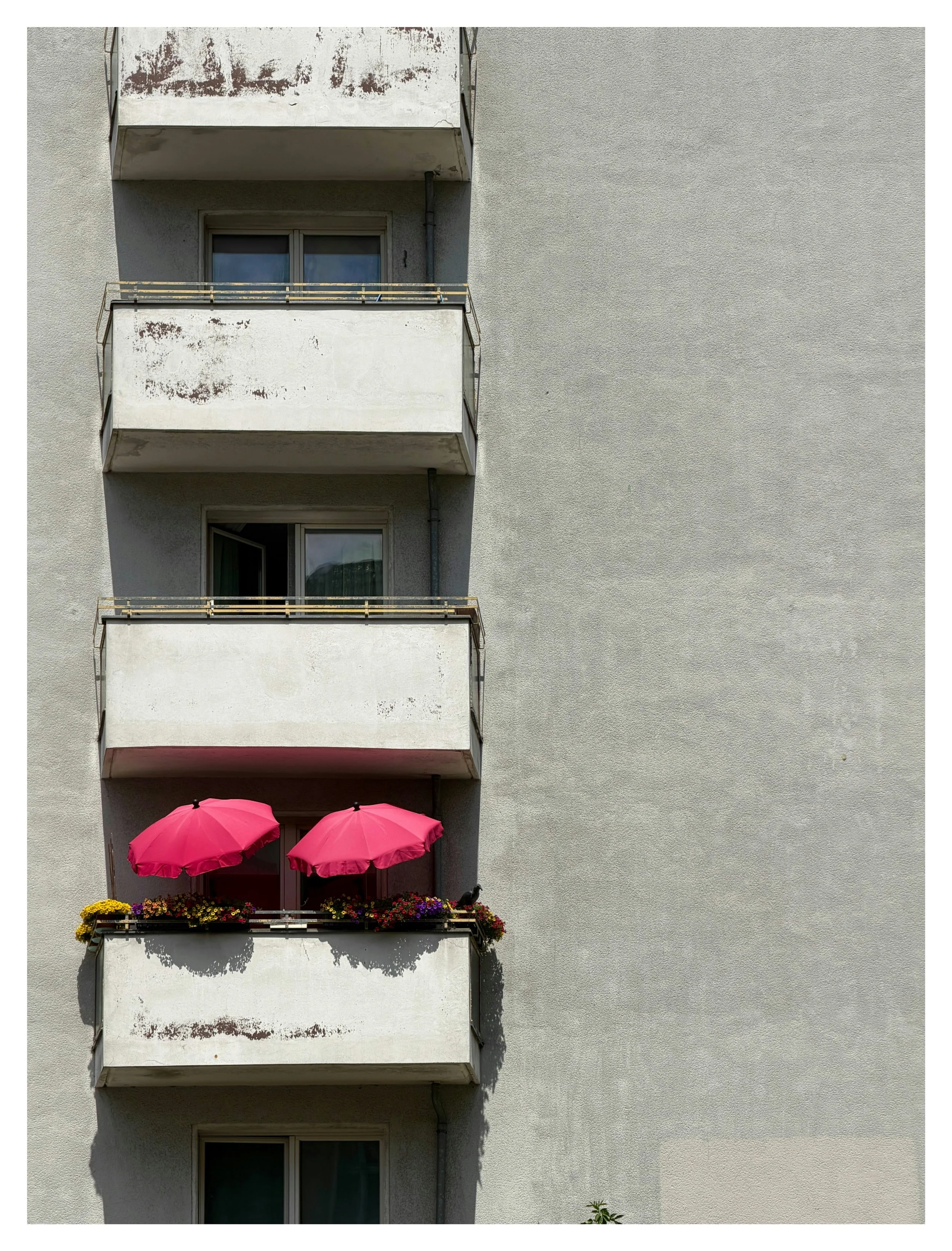
Berlin fixes all of that within minutes of leaving the station. It doesn’t ease you in — it just gets on with being itself. Inside ten minutes I’d passed a gorgeous nineteenth-century façade, three buildings buried in graffiti, an abandoned sofa that looked almost deliberate, and a man walking a dachshund in a neon raincoat under full sun. Nobody blinked. Not even the dog.
The Camera Question
The plan was simple: train in, train out, sixty-odd kilometres a day in between. No schedule beyond that — just the bike, the city, and a camera.
I’d brought the Leica SL3-P, which is never a neutral choice among people who care about that sort of thing. The first challenge came before I’d finished my morning espresso. The café owner noticed the camera on the table.
“Nice camera,” he said. “Isn’t that basically a Lumix?”
I get this a lot. It still amuses me — people looking at one of the more carefully engineered cameras on the market and reducing it, in under a minute, to a question of corporate parentage.
“Not really,” I told him. “They share some technology. It’s more like two brothers who grew up in the same house — related, not identical.”
He wasn’t buying it, so I tried again over my espresso: “Same as saying espresso’s just hot water because they share an ingredient.” That landed. He laughed and asked if they were just related, then. Exactly that.
People assume an expensive camera makes better photos. In my experience it just removes your excuses. The Leica didn’t sharpen my eye or suggest compositions — it just stayed out of the way. Most modern cameras behave like anxious little computers, beeping and flashing warnings before letting you take a single frame. This one just waits, quietly, like it’s done this before.
A City Built for Wrong Turns
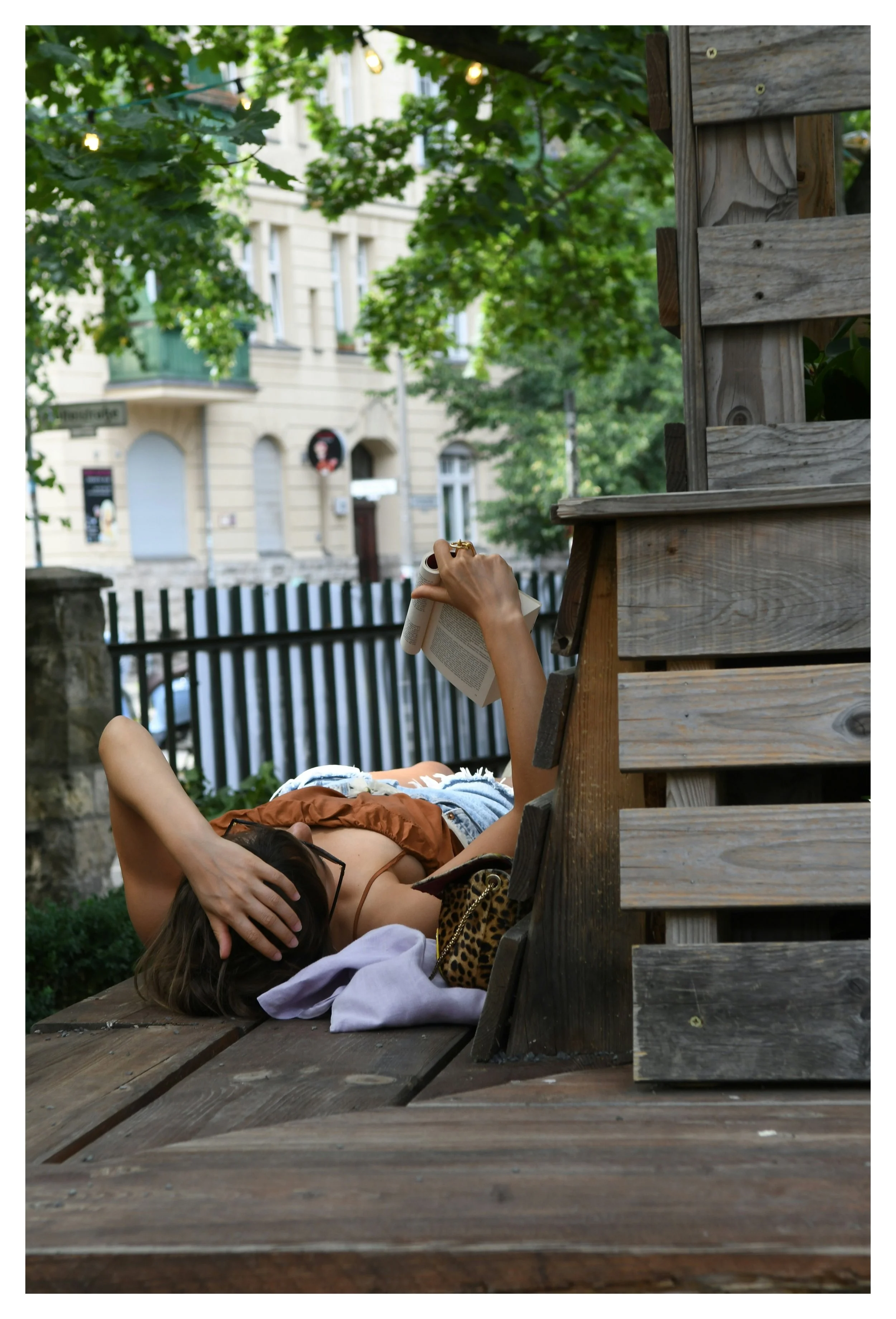
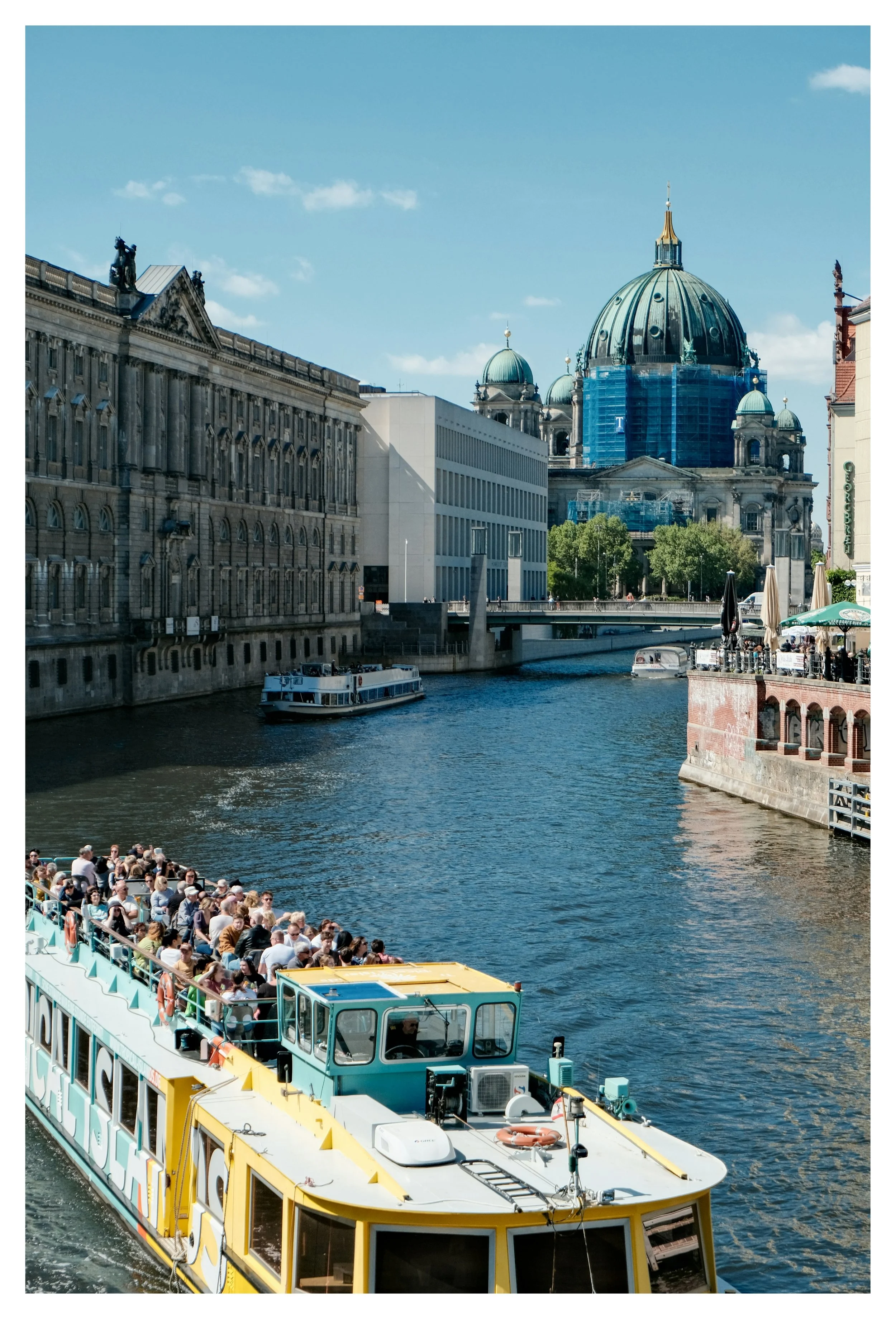
Every day had the same rhythm: wake up, check the sky, feel grateful it wasn’t thirty-five degrees again, find coffee, ride. Berlin always delivered something within the first half hour — sometimes obvious, like a cyclist vanishing into river fog or morning light hitting the sandstone on Museum Island before the tour groups arrived with their selfie sticks. Other times it was smaller: a reflection caught in a tram window, a man absorbed in yesterday’s paper, a waiter arranging café chairs like he was setting up a chess match.
Photography slows you down in a way people don’t expect. You’d think it means rushing between landmarks, collecting shots like errands. It’s the opposite. I’d ride ten minutes, stop, walk twenty metres, stand still for five, take one frame, move on. Savanna tolerated the stop-start pace with more patience than I deserved.
Berlin’s bike lanes are mostly excellent — wide, smooth, sensible — right up until they simply end. One will drop you across live tram tracks, or route you behind café tables where people are trying very hard not to think about the possibility of a collision. One lane vanished completely and reappeared fifty metres later on the opposite side of the road, as if the planner had given up mid-sketch and trusted us to sort it out. We did.
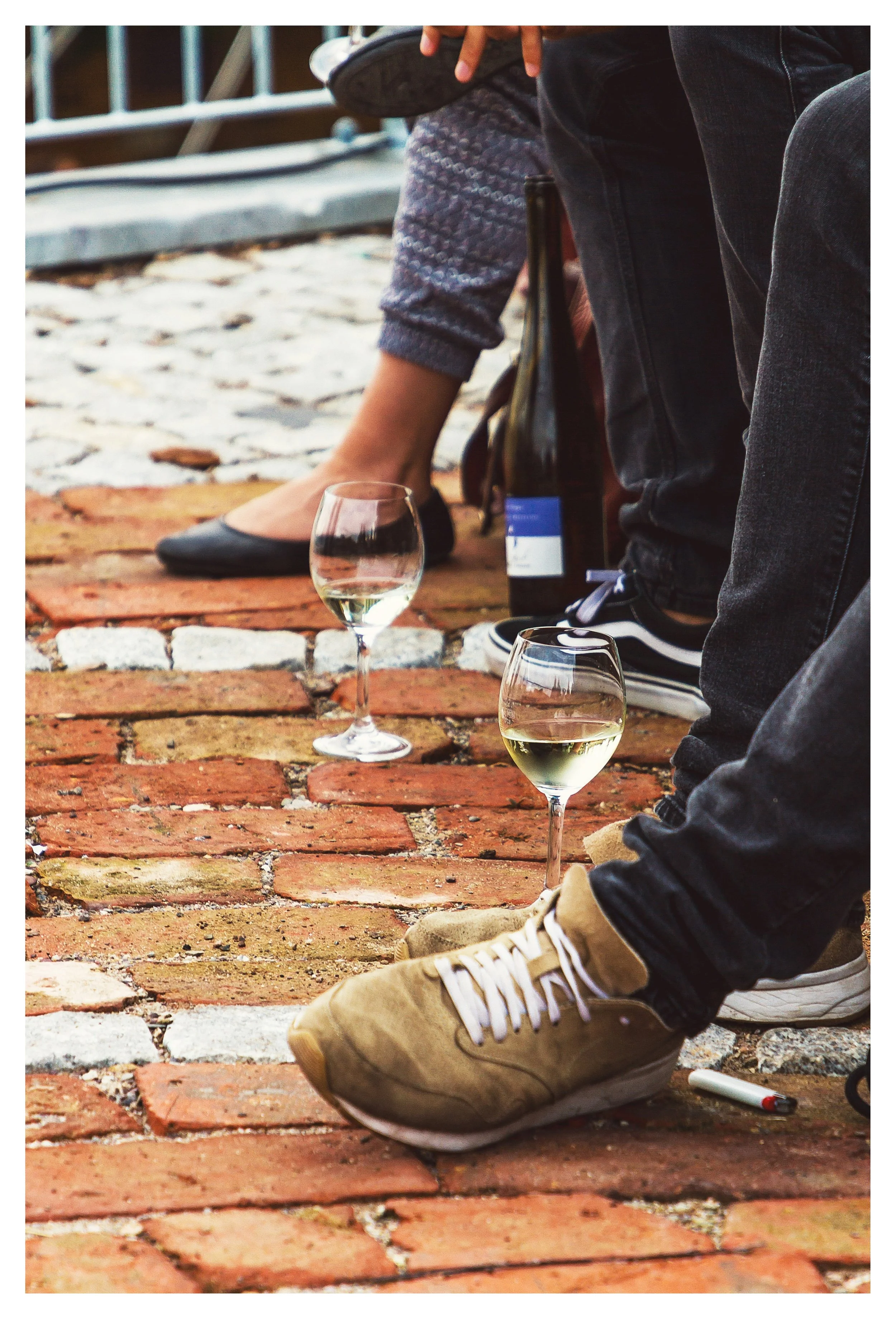
By early afternoon the pattern was set: ride, shoot, coffee, ride, shoot, cake, then another coffee because the cake seemed to need company. By day two I’d started to suspect the cafés were the actual destinations, and the cycling was just how you got between them.
What Things Are Worth
Berlin does good coffee, but its real skill is making you want to stay put. Nobody’s in a hurry here, even the people who look busy. Maybe that’s why strangers talk to you so easily. An older man at one café stopped to look at the Leica.
“Beautiful camera,” he said. “Worth the money?”
I looked at the four-euro espresso I’d just finished in under thirty seconds and figured the camera was the better deal by comparison. “Honestly, no idea,” I admitted. “It’s not a sensible purchase.”
He smiled. The best things rarely are, he said.
That stuck with me through a third day that ran almost entirely on luck. Wrong turns kept paying off. A canal path led to old factories wrapped in huge murals. A random side street opened into a courtyard full of bikes older than some governments. At a flea market, a man tried to sell me a typewriter missing half its keys, swearing it worked perfectly. I admired the confidence, if not the sales pitch.
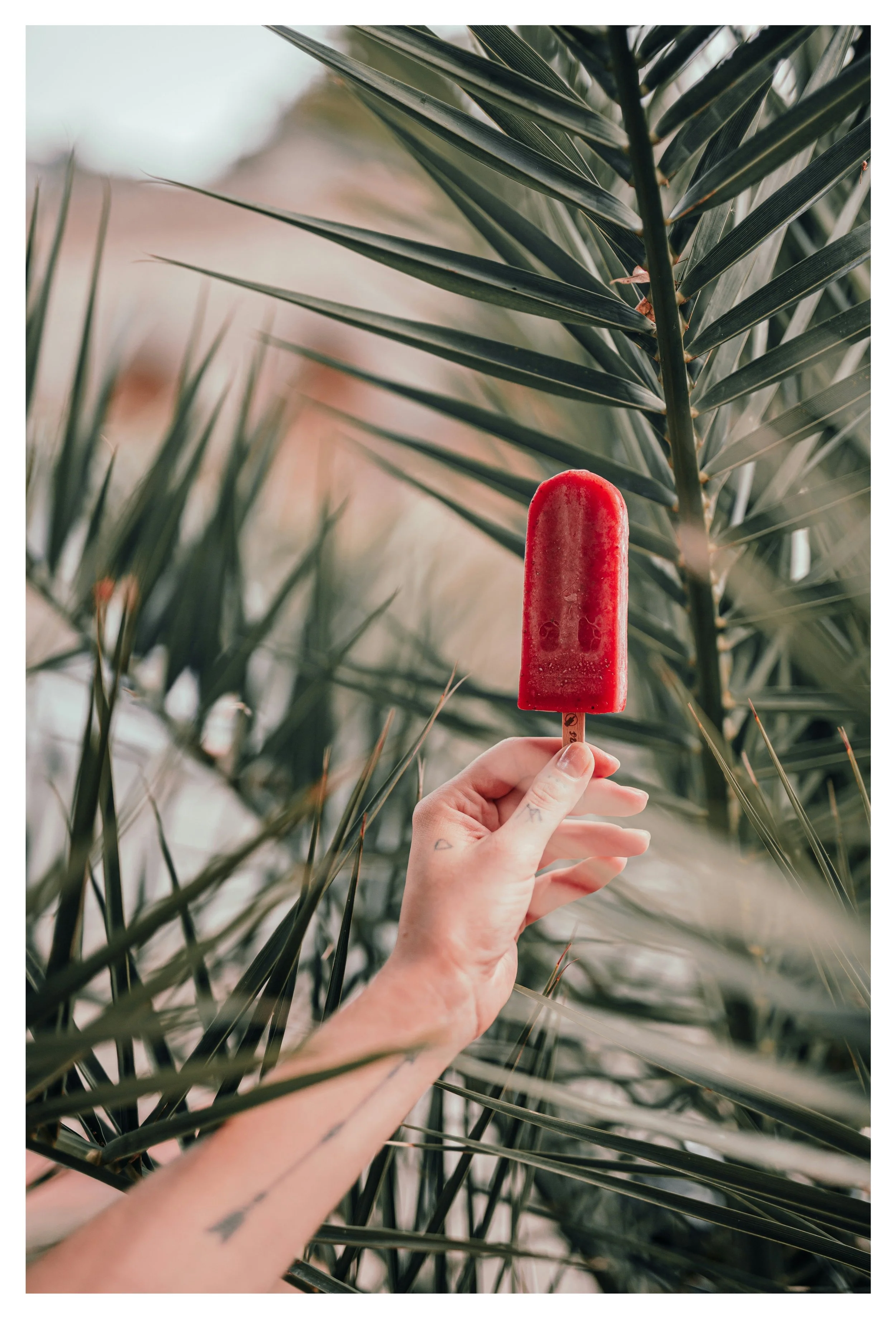
Street photography runs on the same logic — the best moments show up while you’re looking for something else entirely. An old couple sharing an ice cream. A kid failing spectacularly to teach a pigeon manners. A man in a sharp suit carrying one enormous sunflower. Berlin isn’t performing for anyone. You just have to be paying attention when it happens anyway.
What the Trip Was Actually Worth
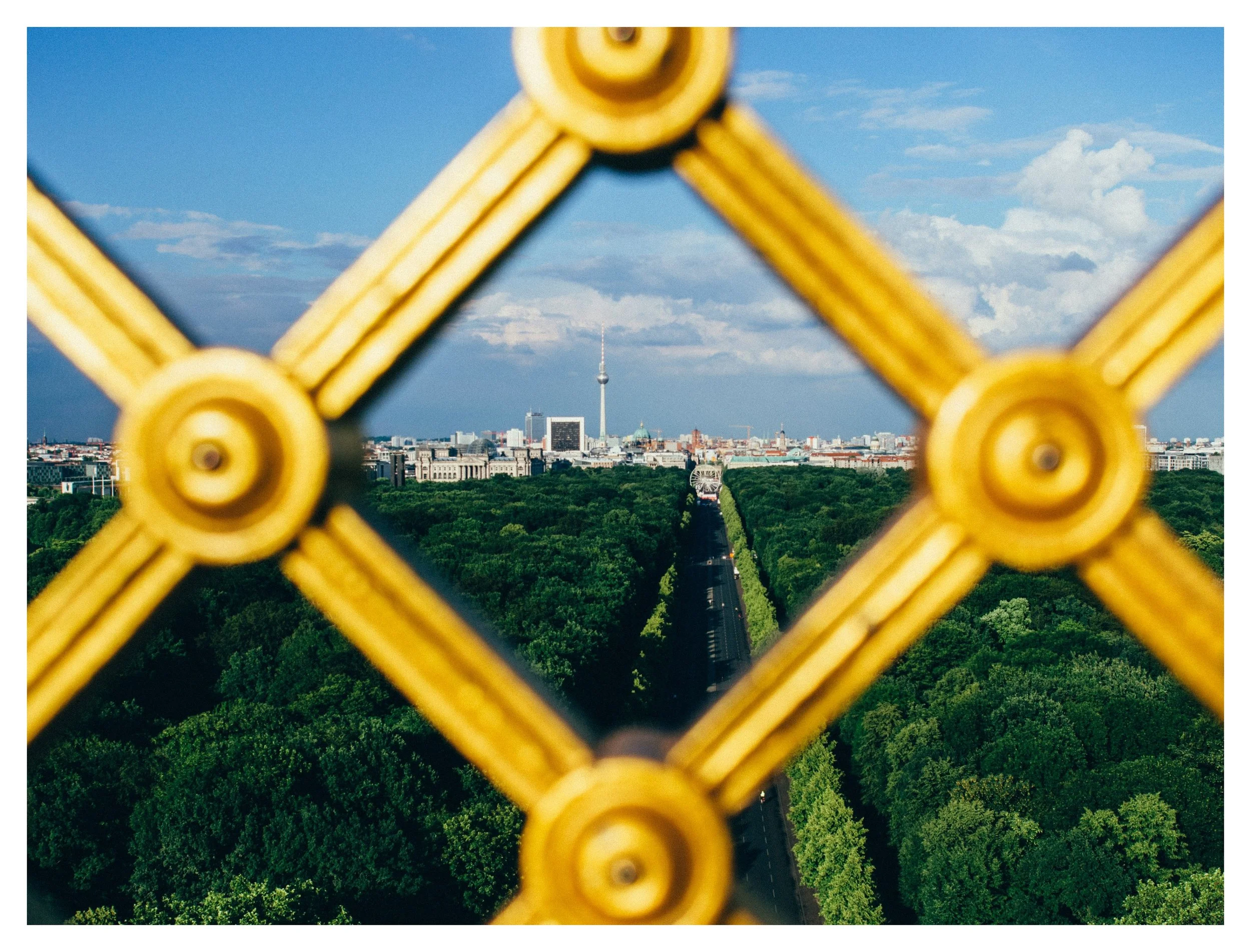
On the last afternoon we rode into the Tiergarten, where the noise of the city just falls away. Light came through the trees in loose gold patches across the dirt paths. Joggers went past without a sound, families cycled together, kids chased squirrels with total commitment and zero chance of success. I stopped — not because there was a shot waiting, but because there didn’t need to be one. The Leica stayed around my neck the whole time.
Eventually it was time to head back: pack the bags, check for stray chargers, load Savanna onto the train. It felt easier than it had three days earlier. Maybe I’d gotten better at it. Maybe Berlin had just slowed my whole system down.
Watching the city slide past from the window — iron bridges, old brick, more graffiti, church spires, and finally the TV tower shrinking into the suburbs — I thought back to all those camera conversations. No, it isn’t a rebadged Lumix. Yes, they share parts, the same way musicians share notes or cooks share ingredients. But sharing parts was never the same as sharing character. Character’s in the details: the sound of the shutter, the way a bike feels different after fifty kilometres, the way a city eventually shows you who it is once you stop trying to pin it down.
Three days. A train up, a train back. A little over 180 kilometres. More espresso than I’ll admit to. Out of an about 96 photos, maybe twenty will still matter to me next year — and honestly, that’s a good return. I wasn’t chasing masterpieces. I just wanted a reason to wander without a plan.
Savanna never once suggested the fastest route, and the Leica never asked to be compared to anything. Shortcuts are efficient, sure, but they skip the good stories. In the end, a trip like this was never really measured in kilometres — just in how many times I caught myself smiling for no particular reason.